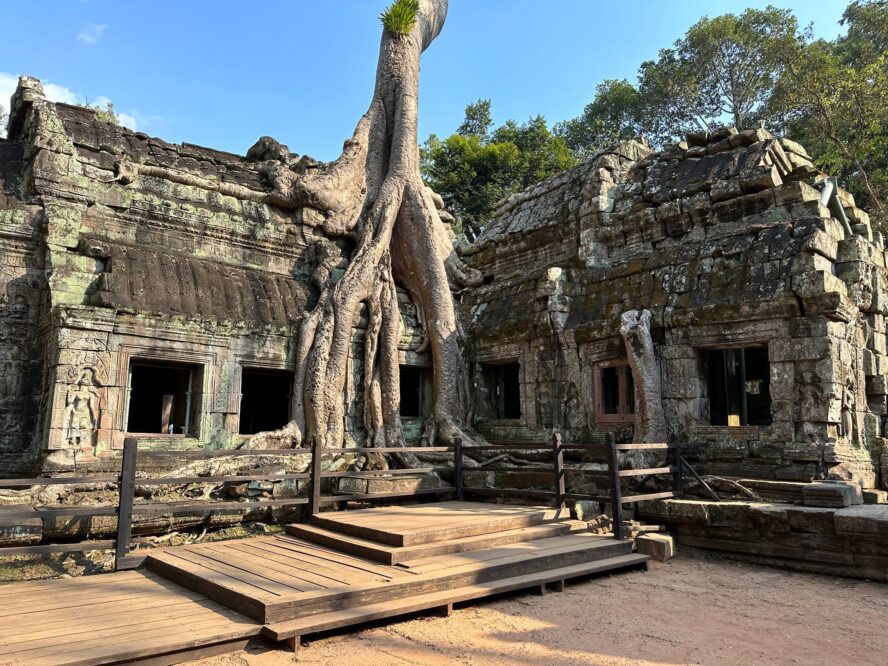
I was a little worried that the Angkor Wat I remembered from my backpacking days would be transformed into a bustling hive of busloads of clueless tourists. I can’t tell you how pleasantly surprised that this was not the case. The “Tomb Raider temple” of Ta Phrom has been rebuilt back to its former glory. Gone are most of the trees that grew through the temple and ultimately destroyed it. Now it is rebuilt. I thought it would be a letdown because the charm of this temple was the trees snaking through the dismantled stone blocks of the temple. But like all the new roads and reconstruction, it was done with taste and will preserve the temple for future generations.
Angkor Wat, Siem Reap, Cambodia
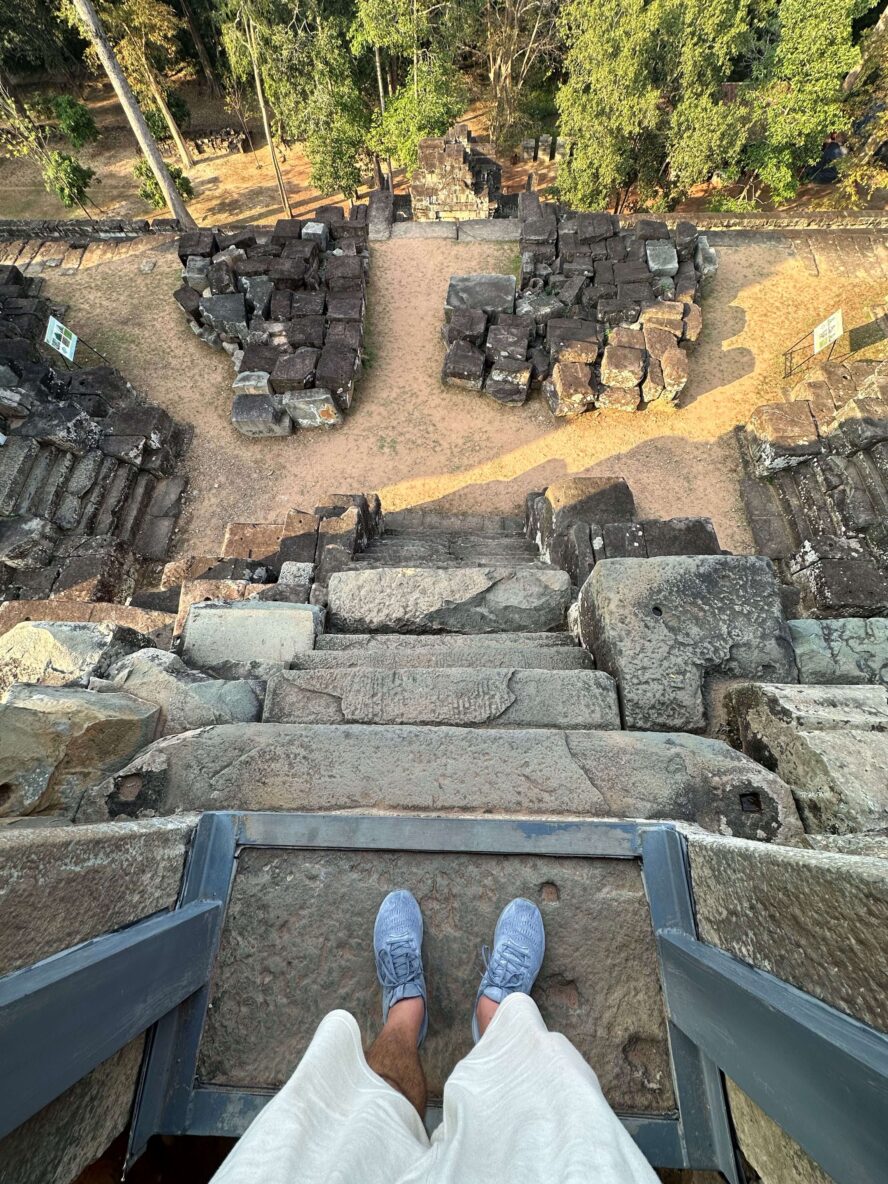
This temple was an almost vertical climb up the stairs. It was a rewarding climb that left me so sore afterward. Great view! Worth it!
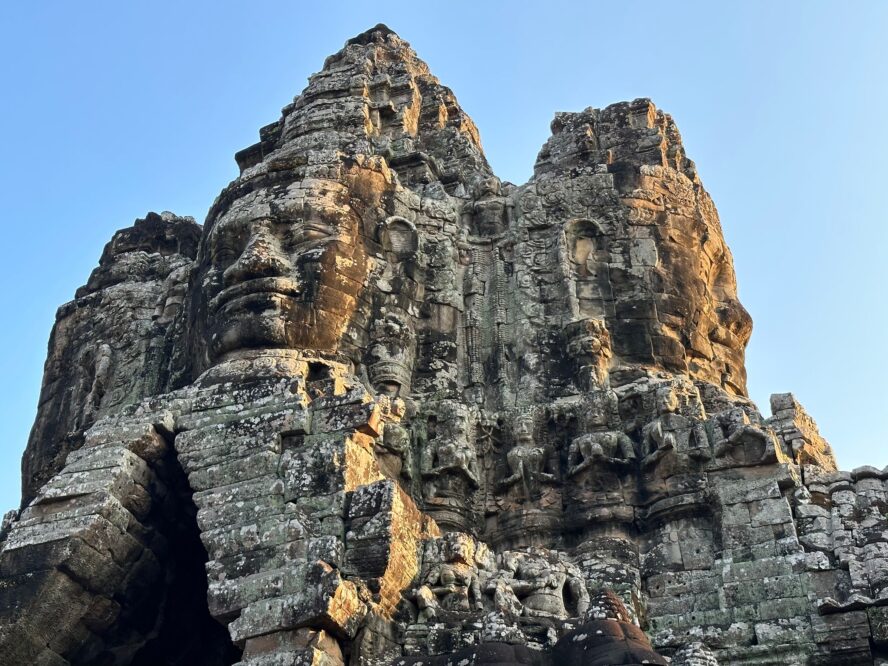
The Bayon temple is like stepping back in time with four faces of the Avalokiteshvara atop the pinnacle of each temple.
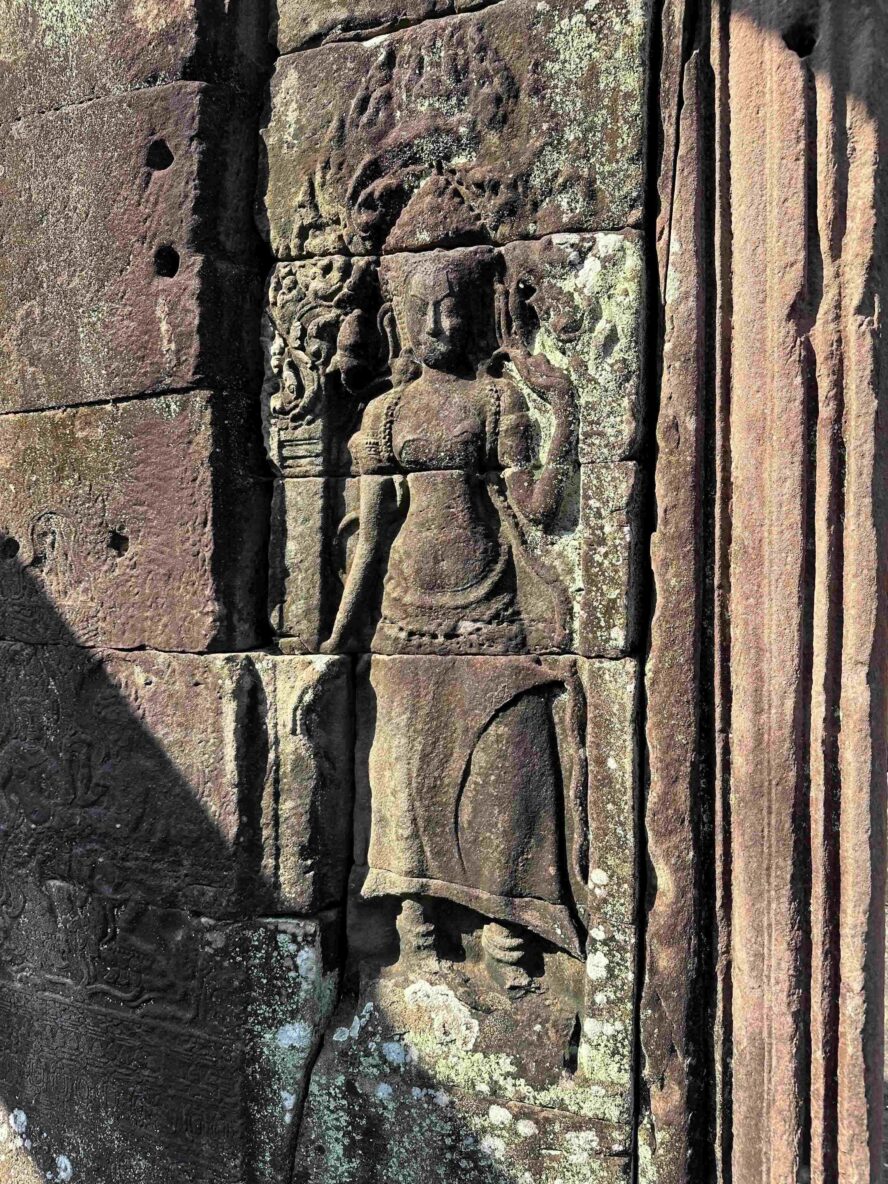
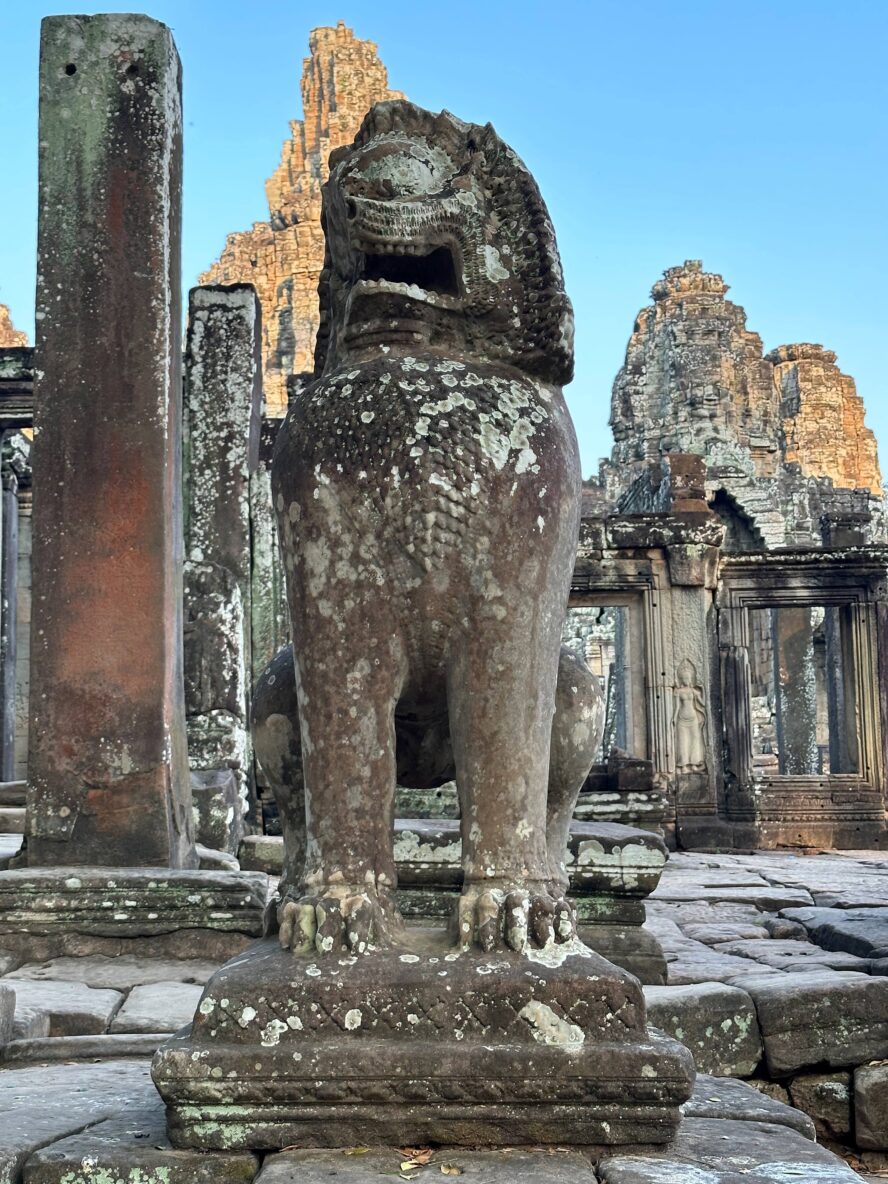
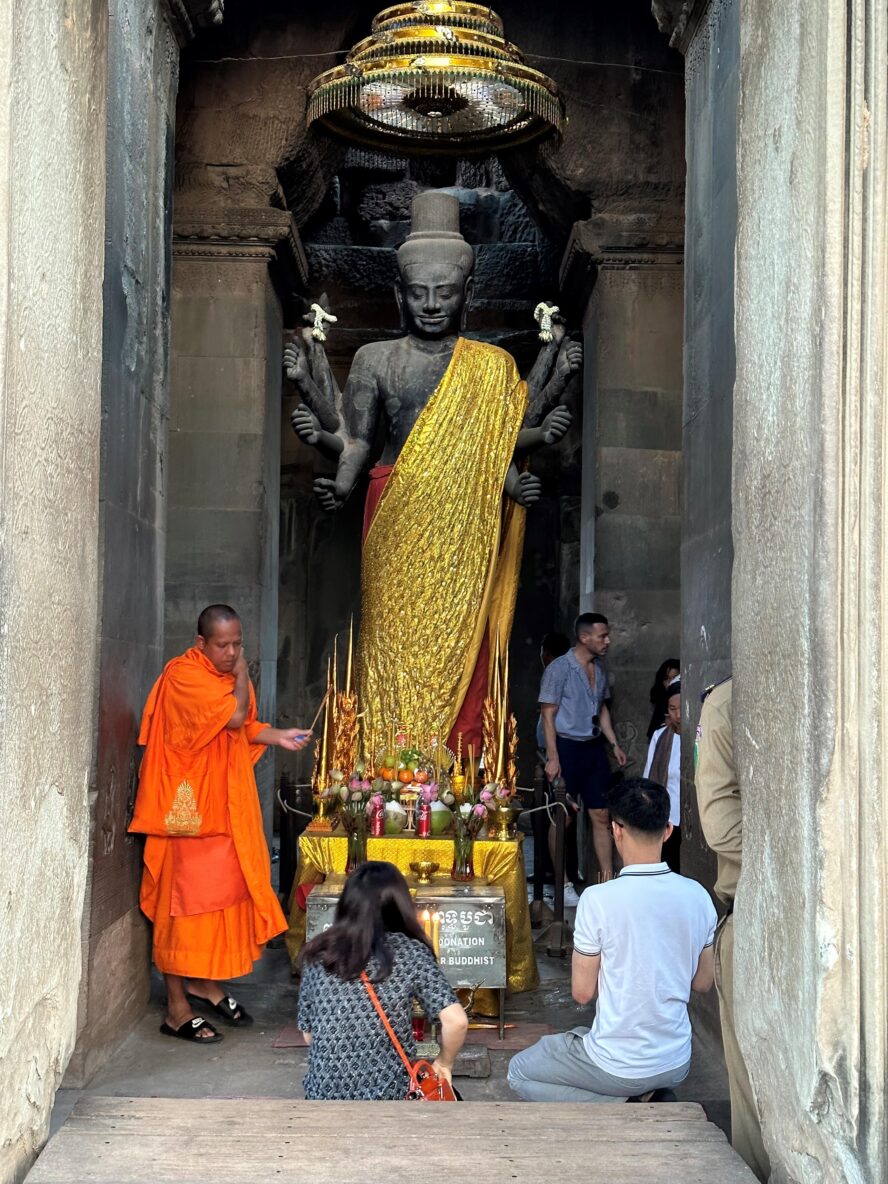
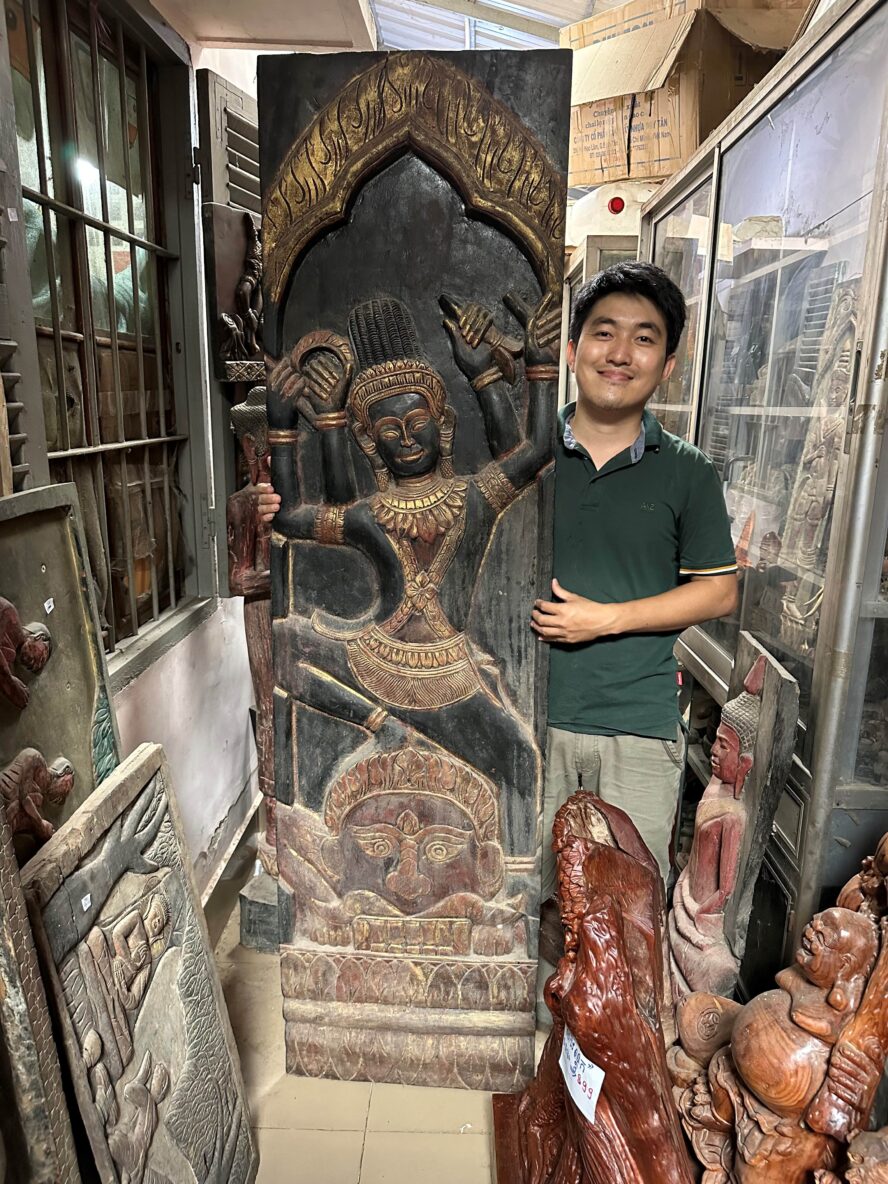
A beautiful Apsara carving! I love that I am buying modern-day reproductions of the statue carvings I am seeing in the actual temples. We have this exact design of Apsara coming in wood, 6 feet tall.These beautiful Cambodian-style Foo Dogs guard the entrances of the temples. They differ so much from Indonesian and Vietnamese Foo Dogs. This stunning Vishnu is the main deity of Angkor Wat. We have this same design of Vishnu coming in our next container. It is so rewarding to see the original statue our modern-day statues are based upon.
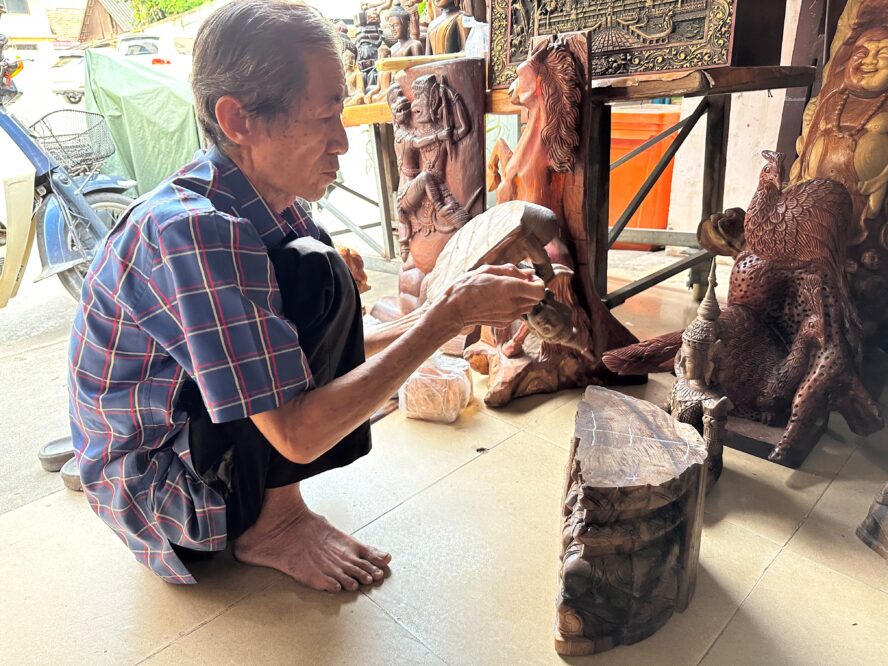
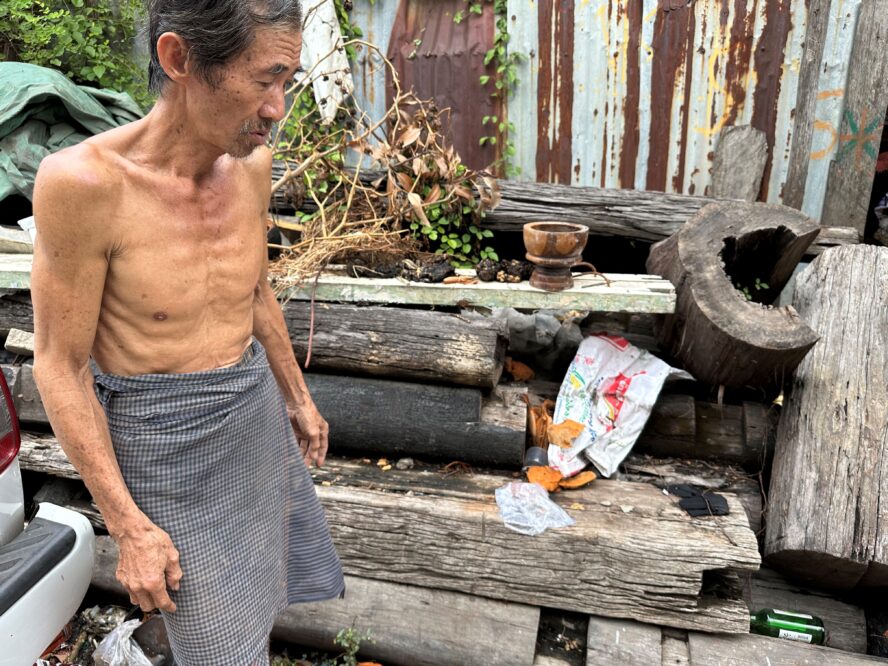
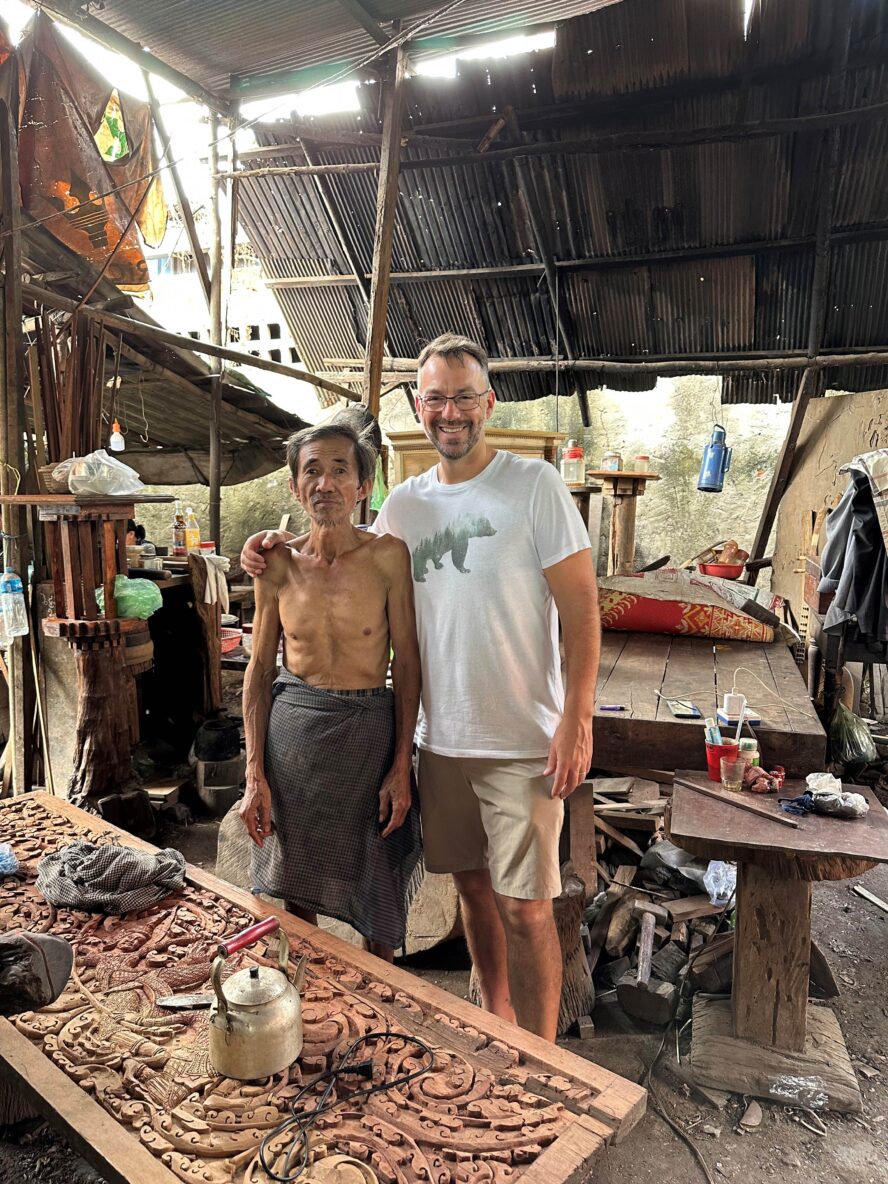
I first met Chandreas 18 years ago. He was a 12-year-old boy helping his mother in their wood statue business, struggling with English. Upon arriving in Cambodia and having him greet me after a 5-year hiatus I was amazed at the man he has become. His mother has passed away and now it is just Chandreas, his sister, and his father, Prou Kea running the business.
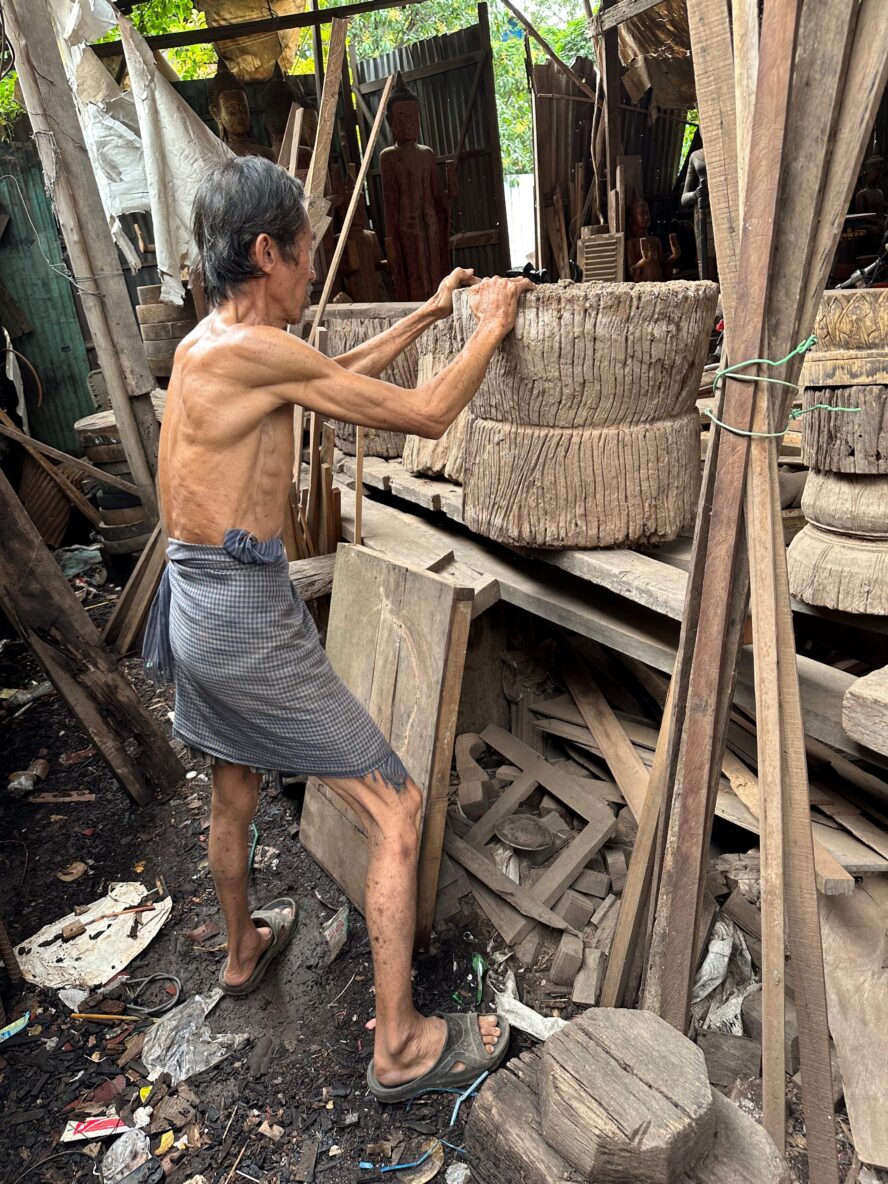
Chandreas sells wood statues and panels of Hindu and Buddhist motifs carved from recycled wood. The wood is from old houses, beds, and even pagodas. The wood panels are made from wood planks that are used for beds and the larger statues are carved into the thick old pillars of houses. The wood is an old, slow-growing, dense wood that is illegal to cut down anymore in Cambodia. You can feel the weight of the statue when you pick them up. They feel dense.
I love nothing more than looking through his shop, searching in the corners for the old pieces that have a good layer of dust on them, and listening to Chandreas tell tales about what the story is behind the statue or where the wood is from.
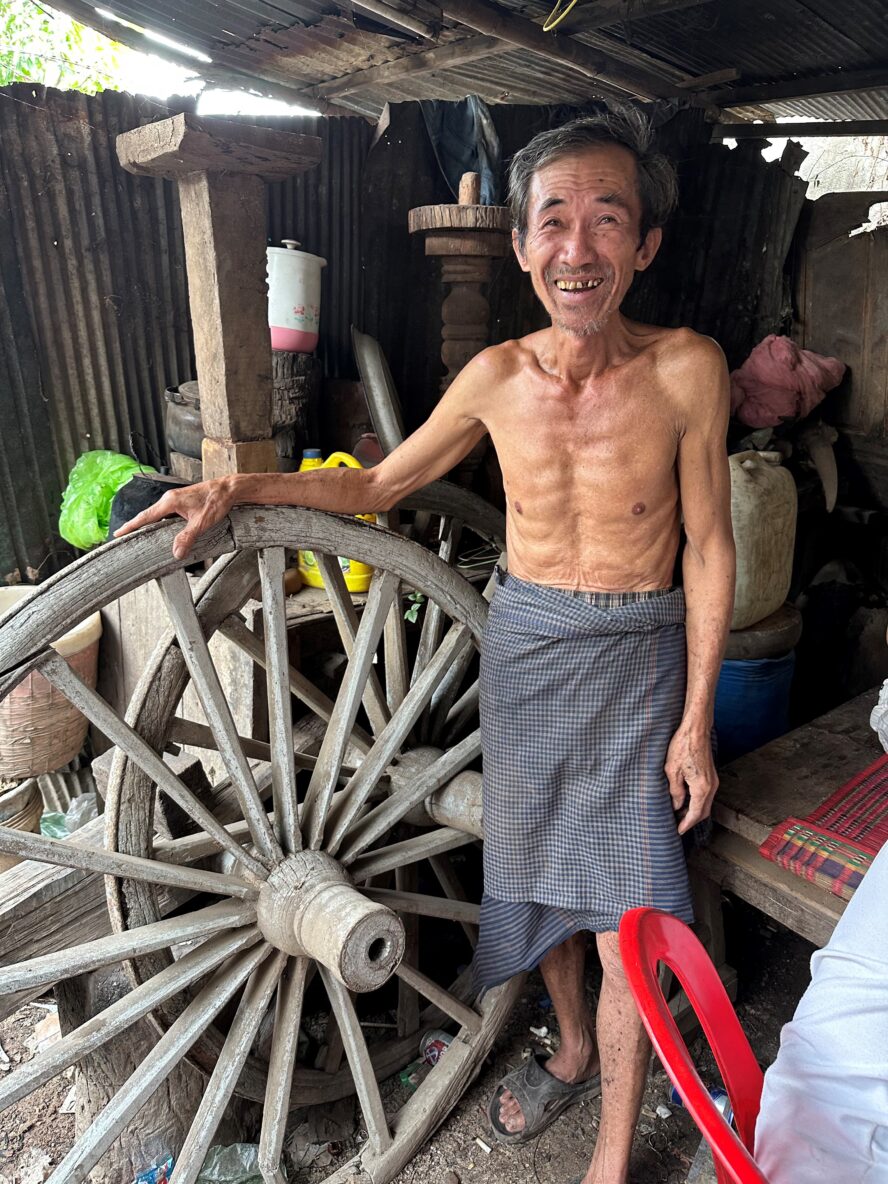
We took a trip out to where the statues are made on the outskirts of Phnom Penh. It is a big, open area just littered with sawdust and half-carved statues. The 68-year-old Prou Kea greeted me. We spent the next two hours together climbing through his shop digging in corners to find some hidden gems even he forgot about. He showed me the raw pillars that the statues are carved from and the wood planks used for the panels from old beds. A great find was 4 antique ox cart wheels that are from French colonial times and an antique rice mortar used for pounding the husk off of rice.
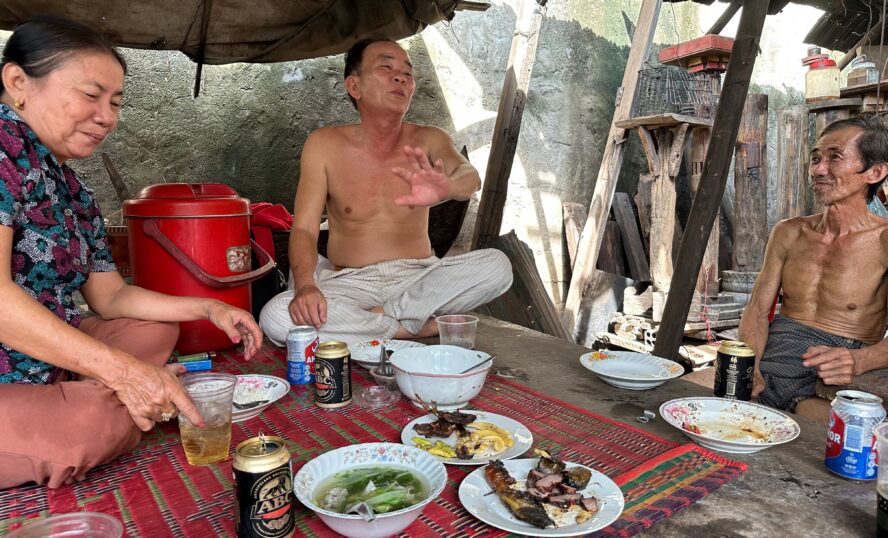
After we finished looking through the workshop, Chandreas’s uncle and some of his father’s friends were enjoying the afternoon next to a smokey fire, so I decided to join them.
We spent the afternoon eating salty, dried fish, and dried buffalo with ginger and stir-fried duck while drinking a fair amount of beer. On each sip of beer, everyone put their glasses together saying “Some Chul muy!” which is a respectful way of saying, cheers. The whole time I am grinning ear to ear thinking how fortunate I am to be here at that moment.
While writing this, I am watching Prou’s video where he is talking about the old wood and he is just a wonderful man. They have a wonderful family. I am honored to be associated with people like this.
This visit to Vietnam has been an unforgettable experience. From the bustling city streets to the beautiful rural landscapes, Vietnam is full of wonder. The second stop on my Asia buying trip was central Vietnam, where our hand-carved, marble statues come to life!
Every trip to Asia gives me the chance to step away from the normal patterns of my life and allows me to think differently. Jumping over puddles, dodging the occasional marble projectile as I walk through the streets filled with artists carving marble statues, my mind is free to wander. I always come up with my best ideas when I am strolling around looking for statues.
During this perfectly happy time, I jumped across a puddle thinking I was landing in a tiny puddle only to discover it was a much deeper lake of marble dust sinking both shoes up to my ankle in sludge. This started my day of marble shopping in Vietnam. Thankfully the day got much better!
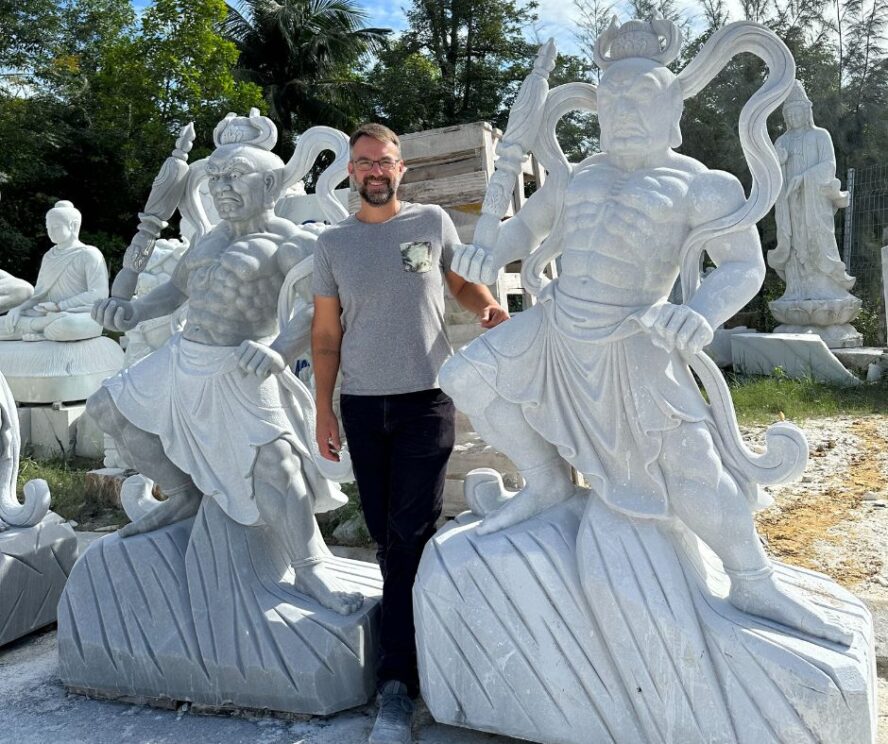
Marble Guardian Noi Sculptures
I was immediately drawn to these amazing sculptures (pictured above). I had seen them before in paintings but had never seen sculptures of them. They are Noi, fierce temple guardians who embody good and evil (yin & yang). The detail and realism of the pair are just amazing with their intense stare and rippling muscles. Watching these magnificent statues being carved is a truly awe-inspiring experience. The skill and dedication of the artisans is remarkable, as they transform single blocks of simple marble into beautiful, intricately carved works of art. I cannot wait to have them in our warehouse to keep all the negative energy from entering!
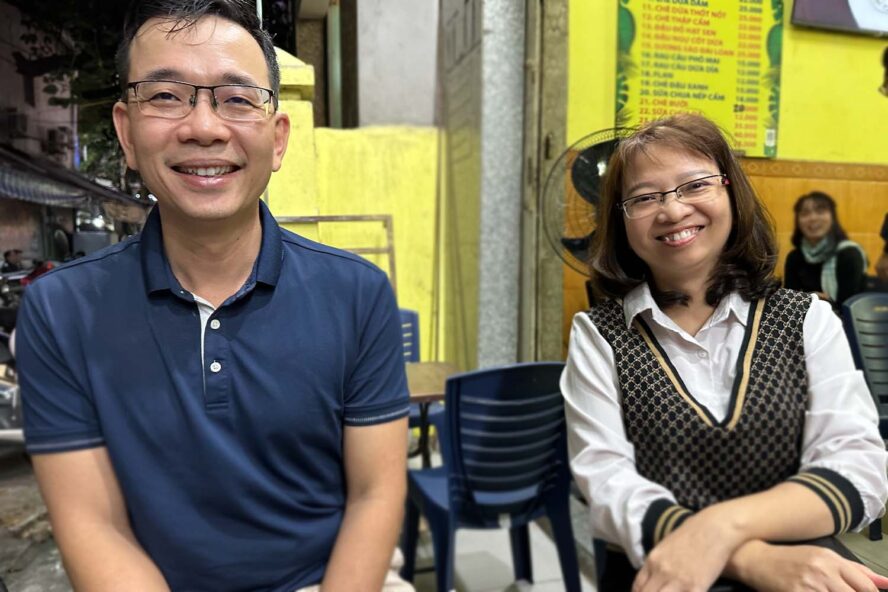
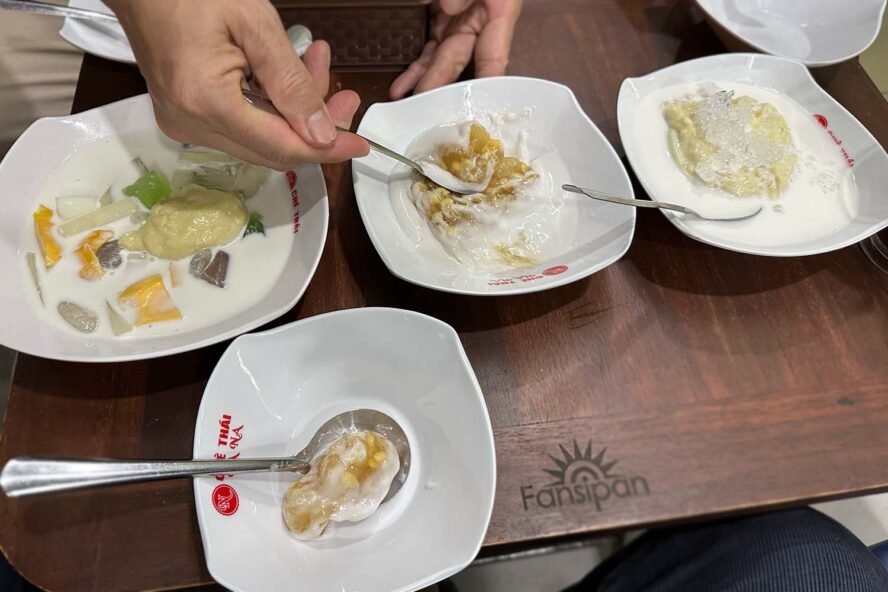
I have known Lan and Huong for 15 years. After dinner, we all went to a dessert restaurant where I tried 5 different dishes of variations of fruit and coconut milk each stranger and more delicious than the previous dish. I asked her why it was that Vietnamese people were so happy and carefree. She replied with a simple answer that was actually the perfect answer….”We feel safe.”
I meditated on this while staring out the window on the ride back home to my hotel room. When I sat on my bed I immediately deleted all my news apps on my phone. Nothing inspires division, fear and hate more than our modern media. Good riddance!
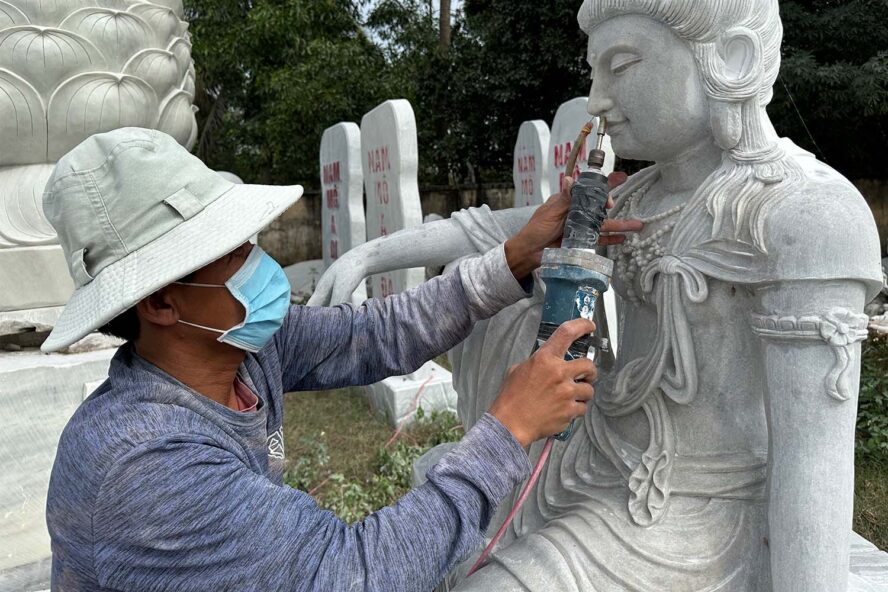
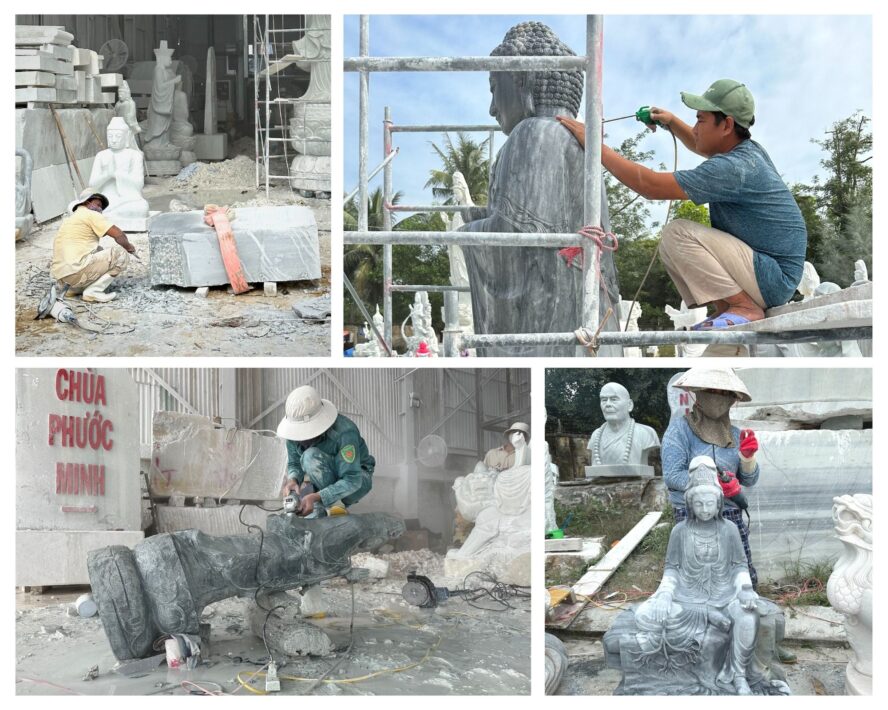
Kuan pictured above is one of the main artists who is in charge of the final finer details of a sculpture. When I first started Lotus Sculpture 22 years ago, I used to think that one person carved each statue. That is not the case. Each statue is carved by a group of artists with each person responsible for a different aspect of the statue.
There are separate people who are responsible for:
1. The rough cut: Artists cut out the outline of the statue from a solid block of marble. 2. Carving the entire body and shape of the face. 3. Carving the intricate details of the robes. 4. Carving the finer details like the facial expression and slender curves of the fingers. 5. Sanding and polishing the final statue.
Highly skilled artists, like Kuan, carve the most important aspect of the statue; the face and hands. Just watching him work for 10 minutes and seeing the smile of Avalokiteshvara come to life is pure bliss for me!
This buying trip so far has been such an incredible experience.
I’m so thankful to have had yet another opportunity to take an amazing trip to Vietnam and I already cannot wait to come back!
Next stop, Cambodia to visit my wood artists and to look for new stone and bronze artists. Stay tuned!
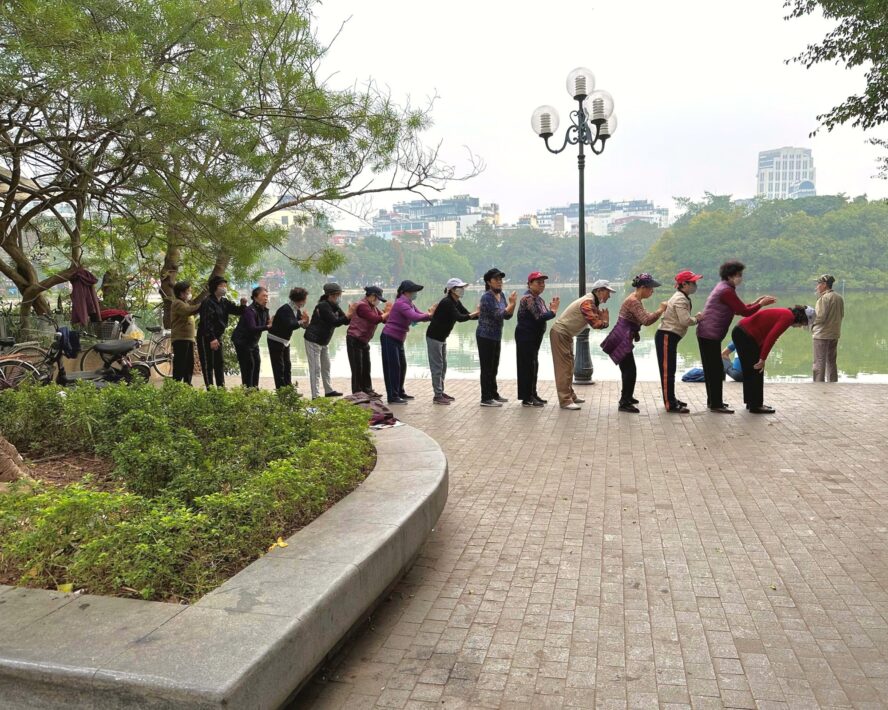
Vietnam is great! Everyone just lives their lives and enjoys it. There isn’t any pretense or anger between individuals. Driving, everyone is cutting people off and doing 3-point turns in the middle of busy roads. No one cares. It’s refreshing. Some people dance in the park at 7 am while others line up for group massages. I love it. It is the way life should be.
I always have such an incredible time here visiting the country’s local artisans in search of new, unique, and simply stunning wooden Buddhist sculptures.
As I make my way throughout Vietnam’s quaint coastal towns, jungles, and bustling cities – prepare yourself to be amazed by our artisans showcasing their incredible craftsmanship.
I’ve already discovered an abundance of new, one-of-a-kind, hand-carved wooden figures that radiated love, peace, and harmony. From wooden Buddha statues to Guanyin, Bodhidharma, and Hotei Buddhas, there are so many fantastic sculptures to admire here in this wonderful country.
Follow along as I share my encounters with the talented artists of Lotus Sculpture and give you a sneak peek into which statues may be coming with me!
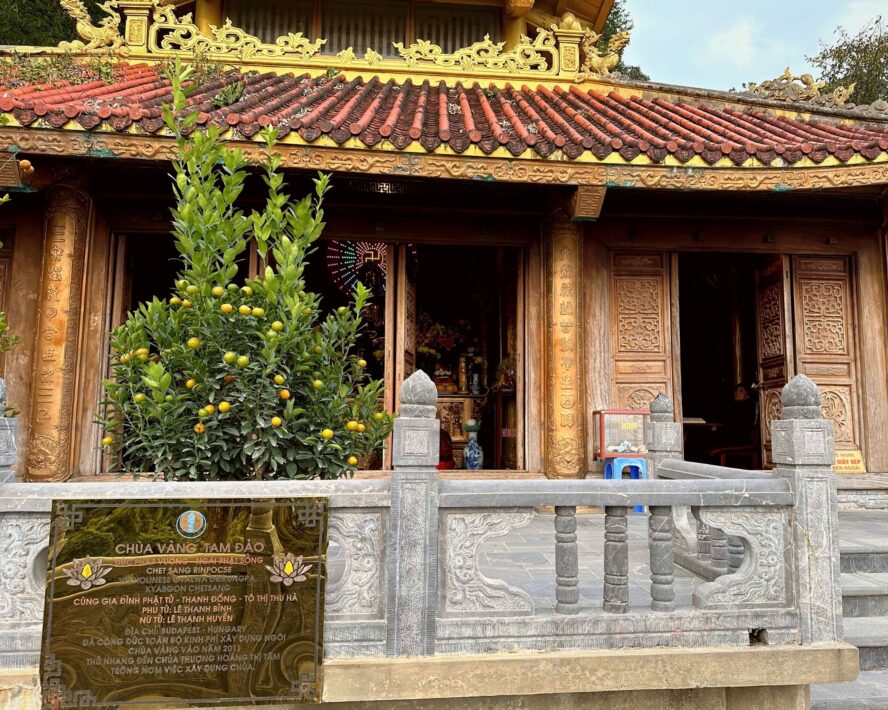
I took a half day and went to Tam Doa which is a mountain town outside of Hanoi. It is perched up on the side of a mountain surrounded by pristine untouched forest with clouds swirling through the trees. I went to a temple near the top of the mountain. Above the main temple was another smaller temple that I had to climb a ton of steps to get to. When I reached the top, no one was there. I went into the small temple and walked around the main shrine of Lord Buddha. There was a nun reading out loud in a chanting cadence, I assume a prayer. The Buddha had an electric chakra behind his head that was flashing different colors. I sat down in front of the psychedelic Buddha to just absorb the scene.
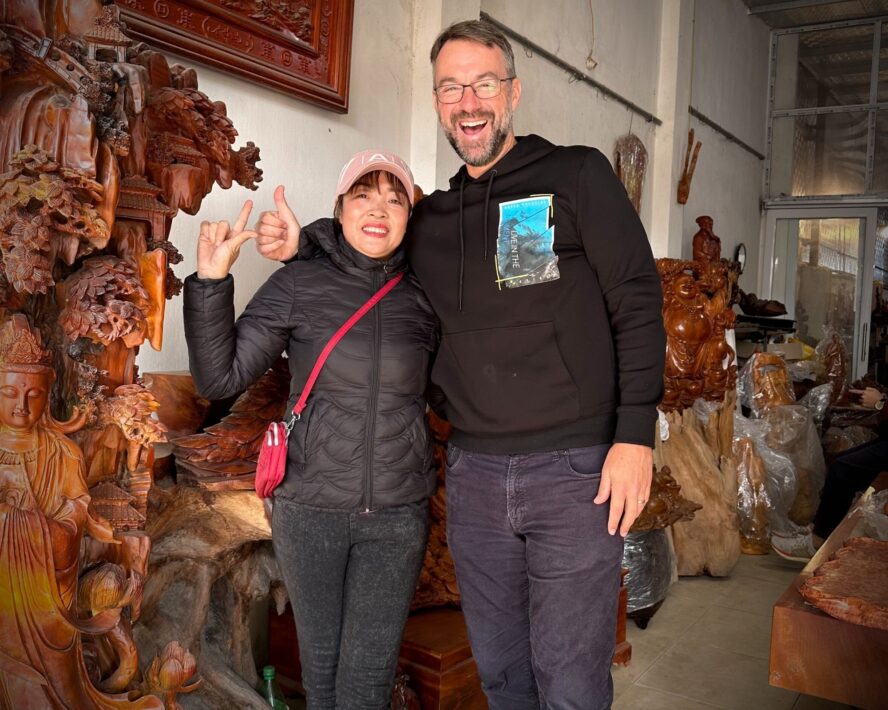
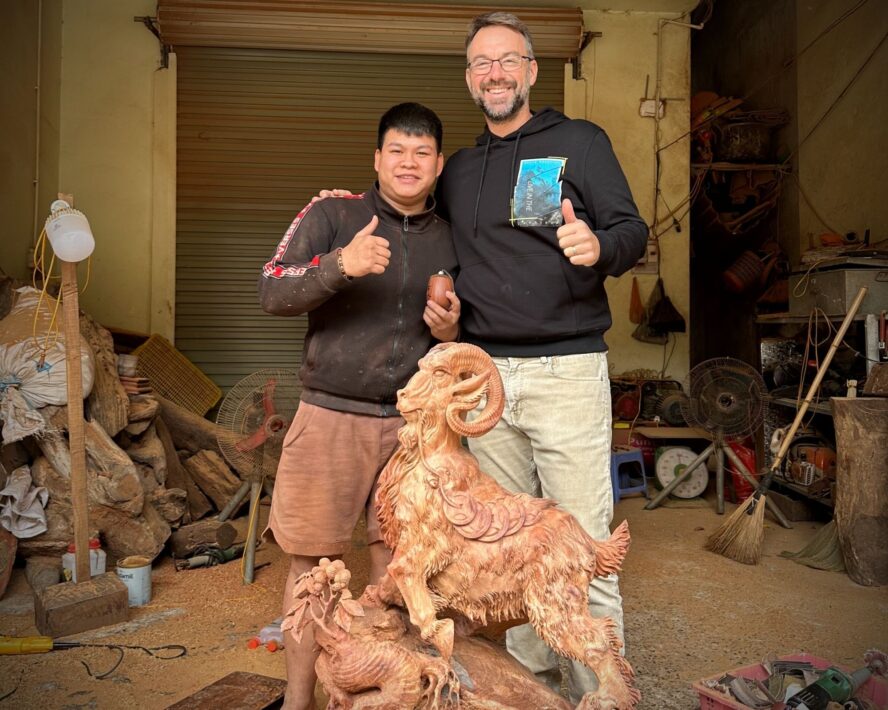
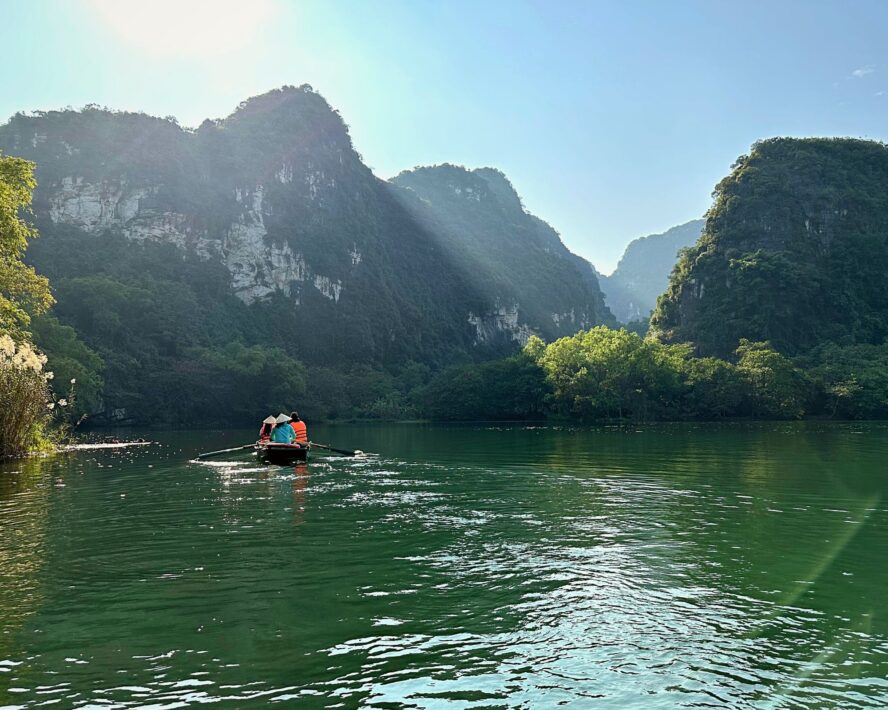
I have rarely felt the true meaning of a word like I did in those 10 minutes in that temple. I felt the true essence of the word, PEACE. Listening to the nun chanting while looking at the lights moving behind the mesmerizing Buddha, I felt like I was whole and happy like I could feel the earth spinning beneath me while sitting. That one moment was worth the 24 hours stuck on a plane to get there. It was wonderful!3 years ago I met the artist Houng and his wife. When I saw her again her face lit up! She was so happy that I came back to their village. Her joy was infectious! The whole time I was laughing and playing with her and thinking to myself, “is this really my job? I am a lucky man!”I met this 24-year-old artist for the first time. His name is Mike. He had great energy. He brought me in to sit for tea. He first poured Vietnamese tea, then immediately poured it out and changed it to Chinese tea. I am not a tea drinker at all but this tea was delicious! We mimed simple questions and answers for a while, all the time with a huge smile on his face. When I was leaving he gave me a bag of the Chinese tea because he saw how much I loved it. He carves statues of Rams and frogs which is not exactly what I buy. He knew I had no interest in his statues but could not have cared less. He is a precious soul. I look forward to seeing him on my next trip. I took half a day to visit the limestone cliffs of Ninh Binh. OMG, what a beautiful surprise this was! I felt like I was in one of those Old Chinese rice paper paintings, surrounded by huge, lush limestone cliffs jutting out of the water as we paddled around in our canoe. What a beautiful surprise!
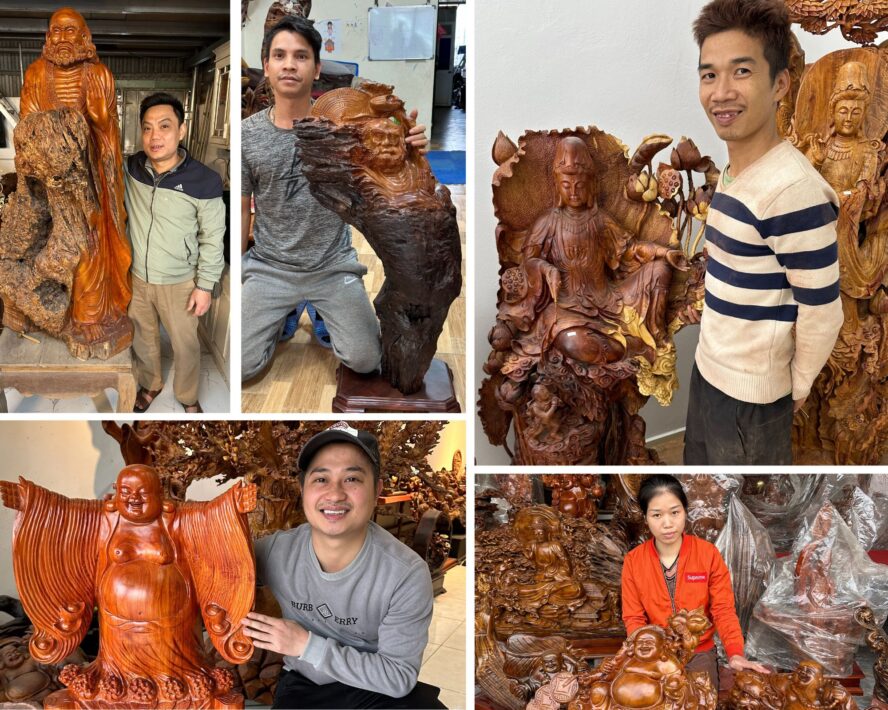
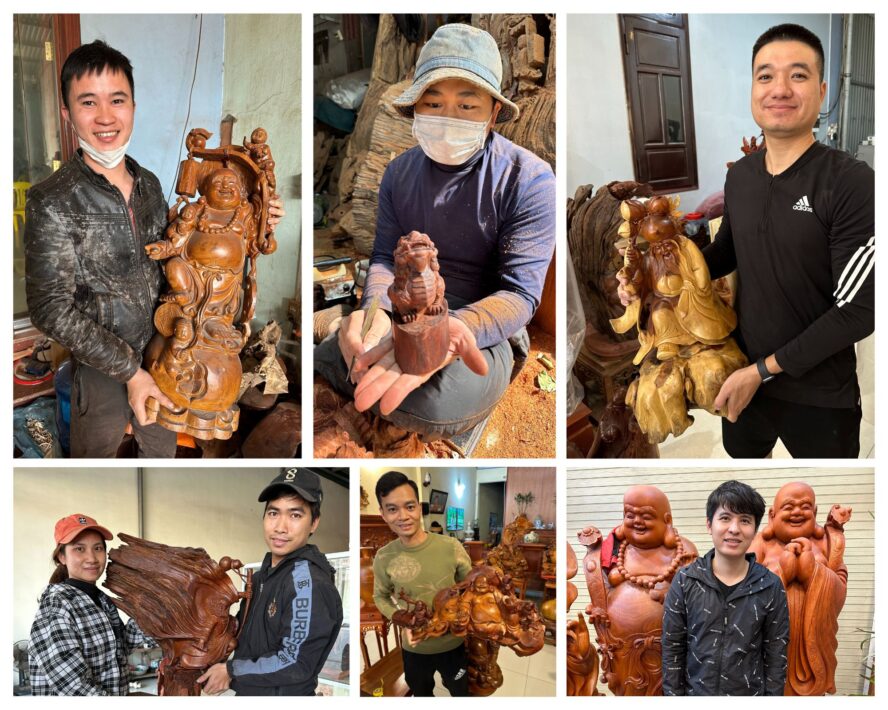
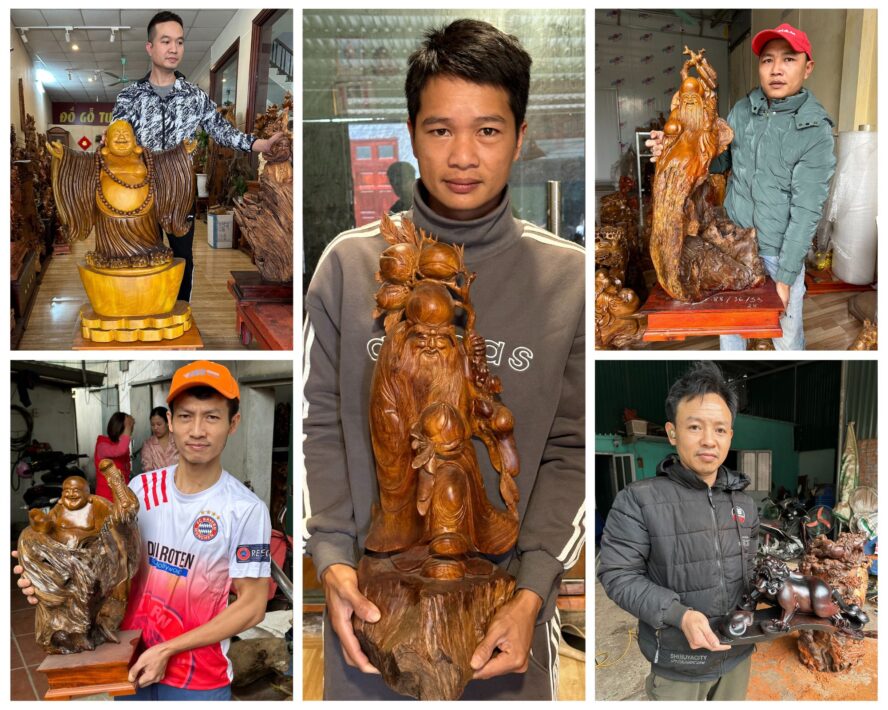
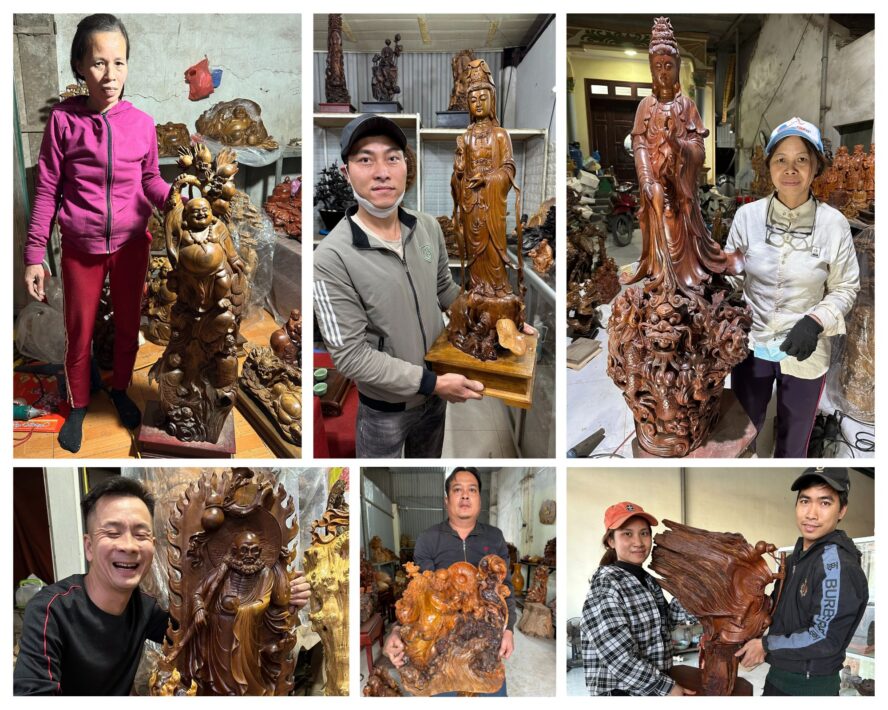
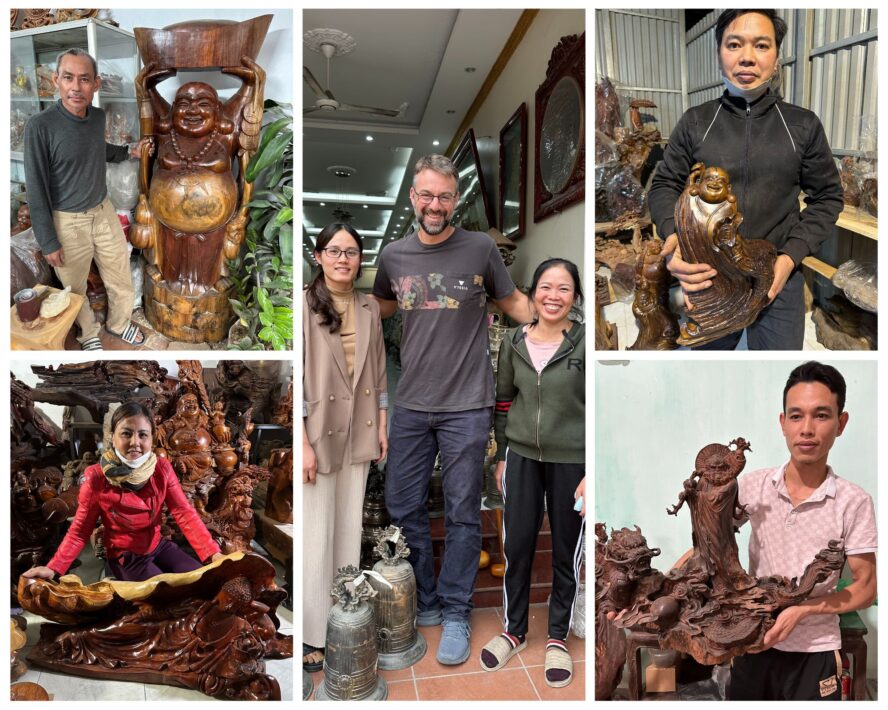
Below are the faces of the artists Lotus Sculpture buys our wood statues from. I visited in the week before their Lunar New Year; Tet. It could not have been a better time for them to sell some of their statues. They were overjoyed to have some extra money right before they go on a month’s vacation for the New Year. On behalf of the artists, I will also say thank you to our wonderful customers. None of this would be possible without you!
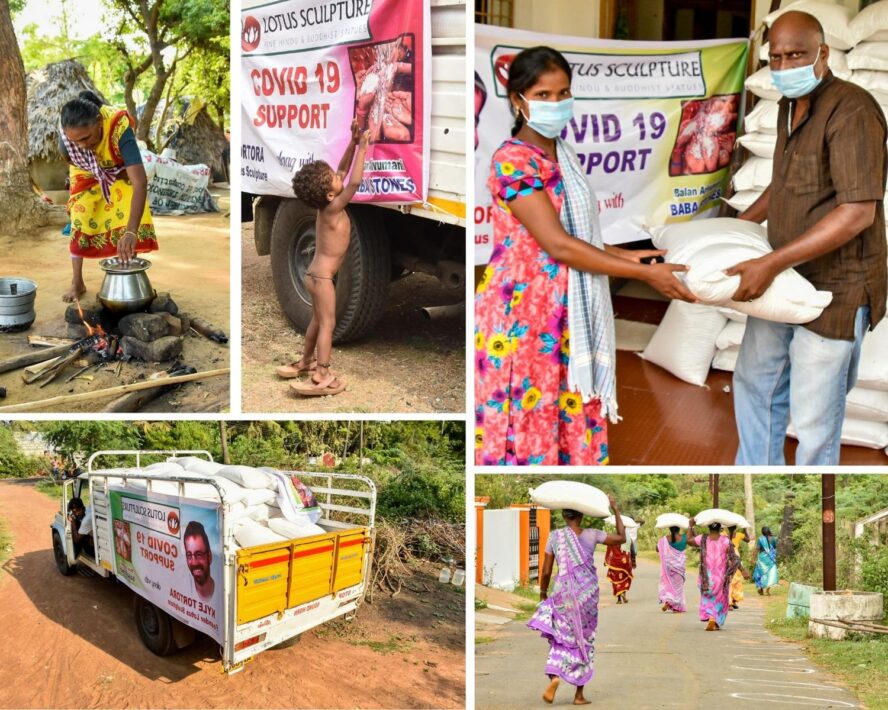
On my buying trip to India in February I made it a point to visit the people who we donated rice to during the covid lockdown. I wanted to meet them, hear their stories, and see first hand if we touched their lives in any way.
I was uncharacteristically nervous on the drive there.
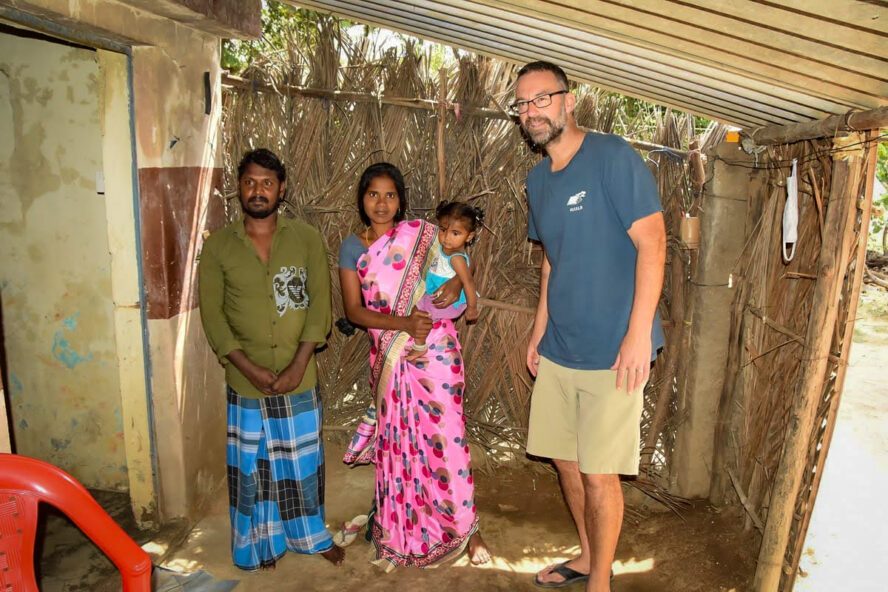
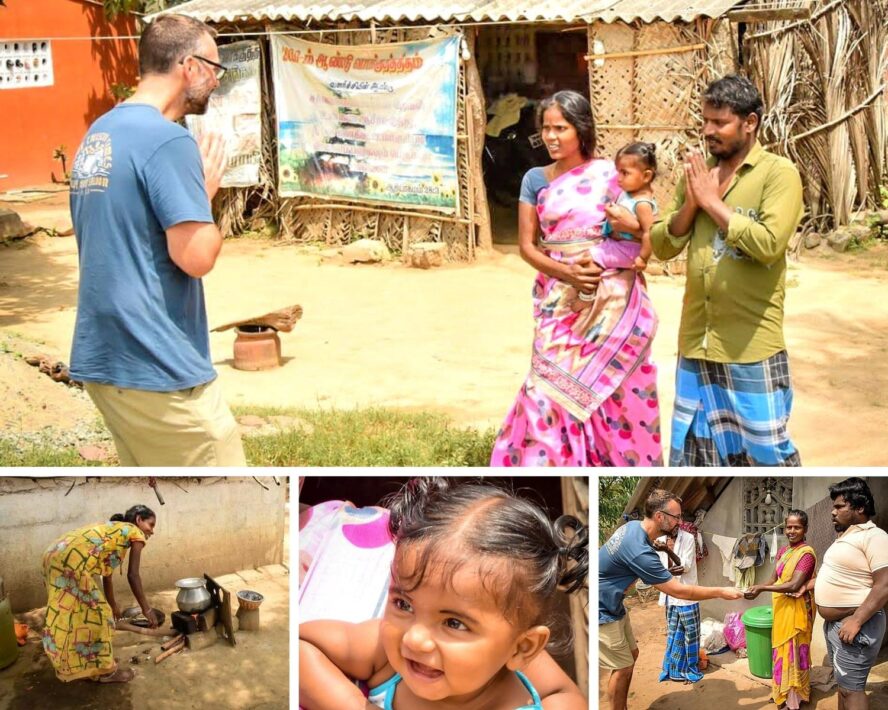
My first stop was the young woman who was pregnant during COVID last year and did not have a place to live. Here she is with her husband and daughter, now 9 months old. Her daughter is a beautiful, happy and healthy young girl. As we were leaving she told me “thank you” in English and I could see in her eyes that she truly meant it. The “thank you” touched me deeply.
Next, we visited the family with two blind sons. Only one was there at the time. The mother was a wonderful woman who was all smiles and chatting to me in Tamil. She showed me her house and how they all slept on the floor together in one cinderblock room with a corrugated roof and a fan. She told me that when she got the rice, she immediately started a fire to start cooking it because they literally had no food to eat. She was so thankful for what we had done for her family.
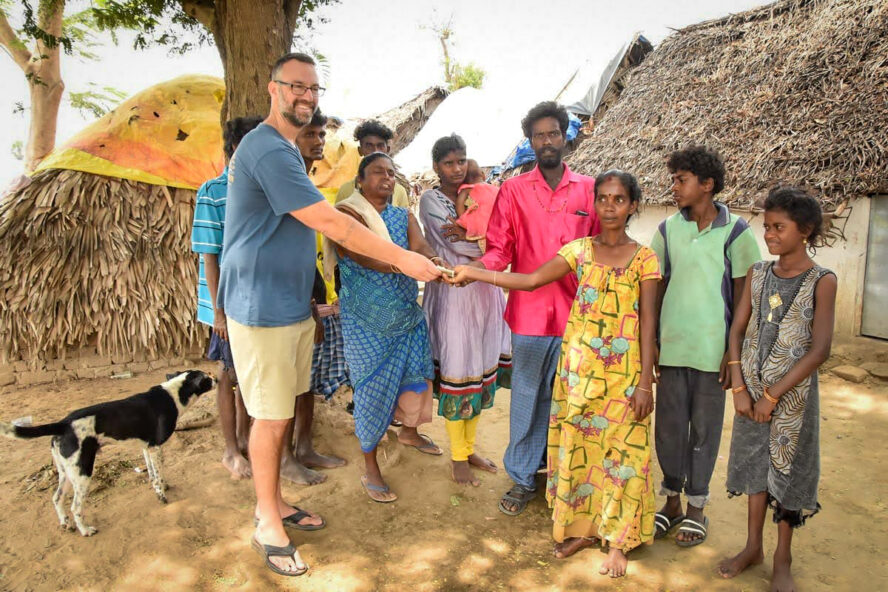
We visited a village that could not have been any more marginalized by society. They lived on the outskirts of town with no water or electricity. No government aid gets to them and they are purely subsistence living. On the drive getting there I was amazed at how my friend, Balan was even able to find these people. When I was there Balan told me how some of the villagers were amazed that the rice was whole grain rice. They were used to only eating cracked rice, basically, they could only afford the low-quality rice that had some defects to it.
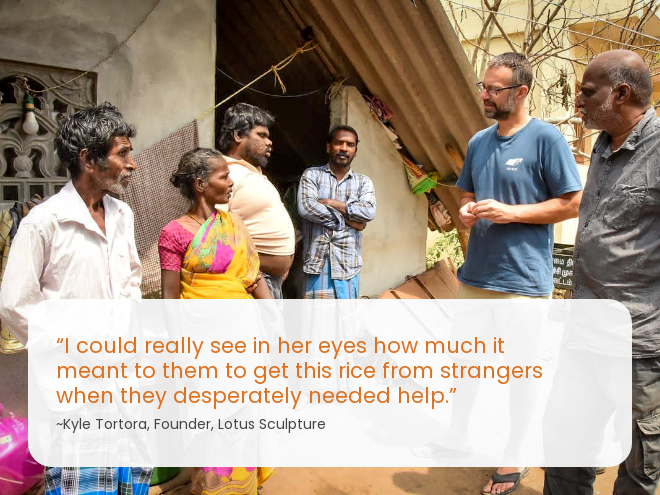
It was an incredibly rewarding and difficult day for me. It was rewarding to connect with the actual people we donated rice to, look into their eyes and feel how appreciative they were of our help. It was difficult because you can see how large the issues are with poverty in India and the world. As much as I would love to solve the issue, it is not something that one person can come in to correct. It would take a massive effort to change society.
Balan and I were brainstorming over things we can do in the future and hope to bring another donation opportunity to everyone again soon.
Thank you again to everyone who donated to help make this happen.
~Kyle Tortora, Founder, Lotus Sculpture
Click to watch the video of my experiences visiting the people we donated rice to during the covid lockdown.
Page 2 Of 29
Free UPS Ground Shipping SALE!
For a limited time we are offering free UPS Ground shipping on all orders within the 48 States. International customers will receive a 40% discount off the price of shipping. This discount will be extended to our Canadian customers as well!
Items weighing over 150 pounds including packing materials will be shipped using a freight service. Domestic Freight will be discounted by 35%!