Maha Shivaratri 2026 Events & Celebrations in the United States

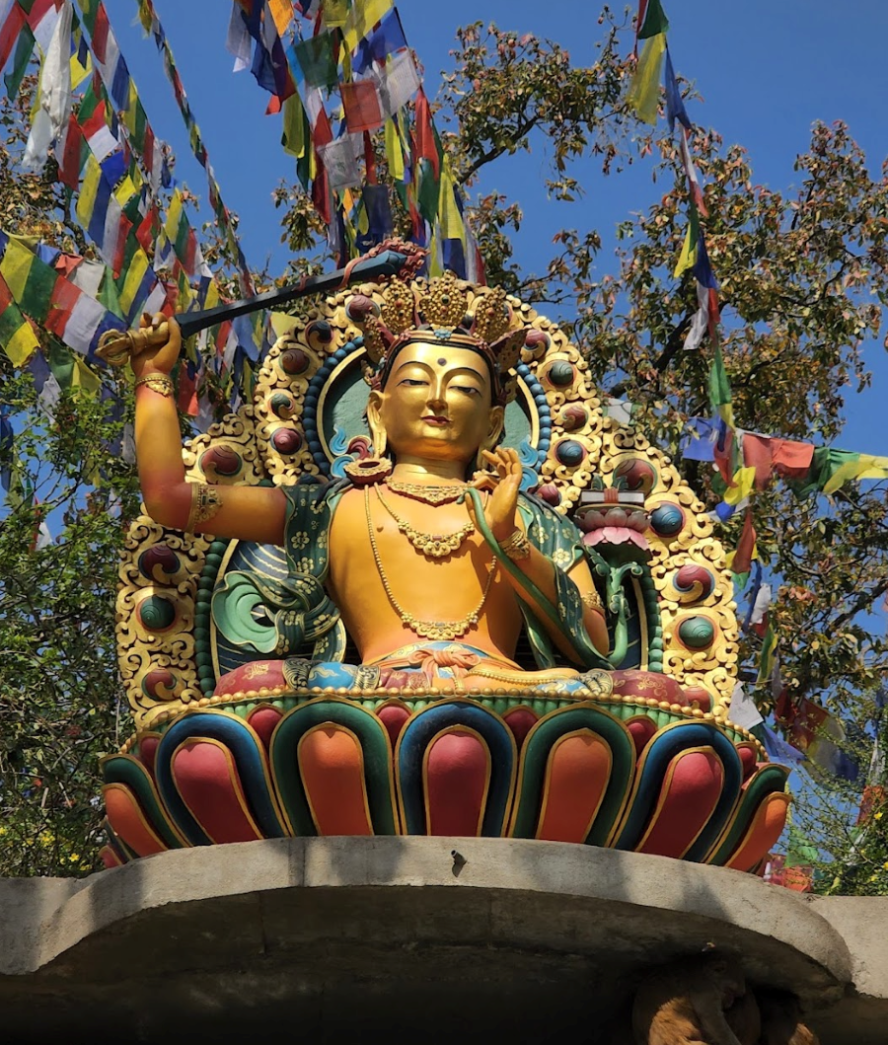
shiva

What happens when the colorful and vibrant celebrations of the temples in India meet the quiet and peaceful suburbia of America’s states?

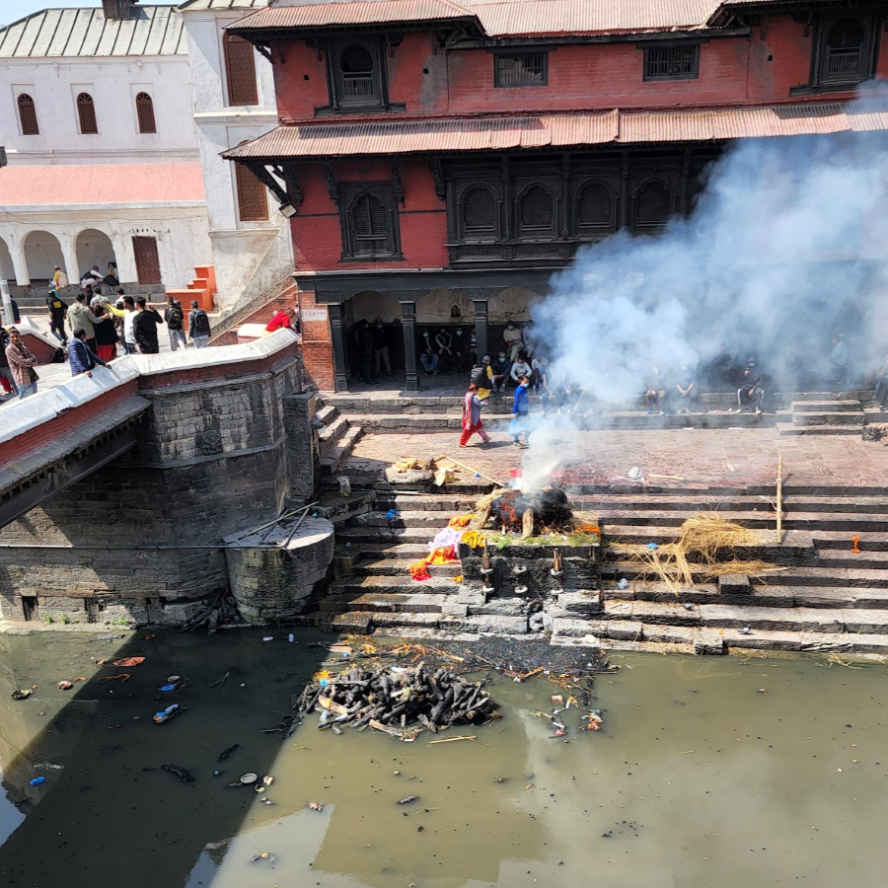
Maha Shivaratri 2026 has become a night for the Hindu Community in America, and a perfect mix of Grand Community Spirit and Deeply Personal Ritual. Originally rooted in India’s ancient culture, this festival has grown to become one of the greatest cultural landmarks in America. No longer a date on a calendar, but rather “a Great Night” that simultaneously draws Thousands of people from New Jersey, Texas and California looking for a moment of Peace & Quiet in an increasingly chaotic and fast-paced world.

As we prepare for February 15, 2026, one of the biggest questions for everyone is not just how many people will be at the largest event but rather, “How can I carry that energy home?” Temples create exciting environments through their ability to attract hundreds or thousands of visitors who enter as one united group while the temple’s incense produces beautiful scents. The Shiva statues for home use will maintain their sacred connection after people complete their individual aarti ceremonies.

shiva statues
Explore Our Shiva Statues Collection

The Geography of Devotion: Major USA Hubs

Throughout the United States, Maha Shivaratri has developed from small basement based gatherings to gigantic, multi-day festivals. If you would like to participate in the full experience of the “Great Night” (Maha Shivaratri), there are now some cities that have become must-visit locations:


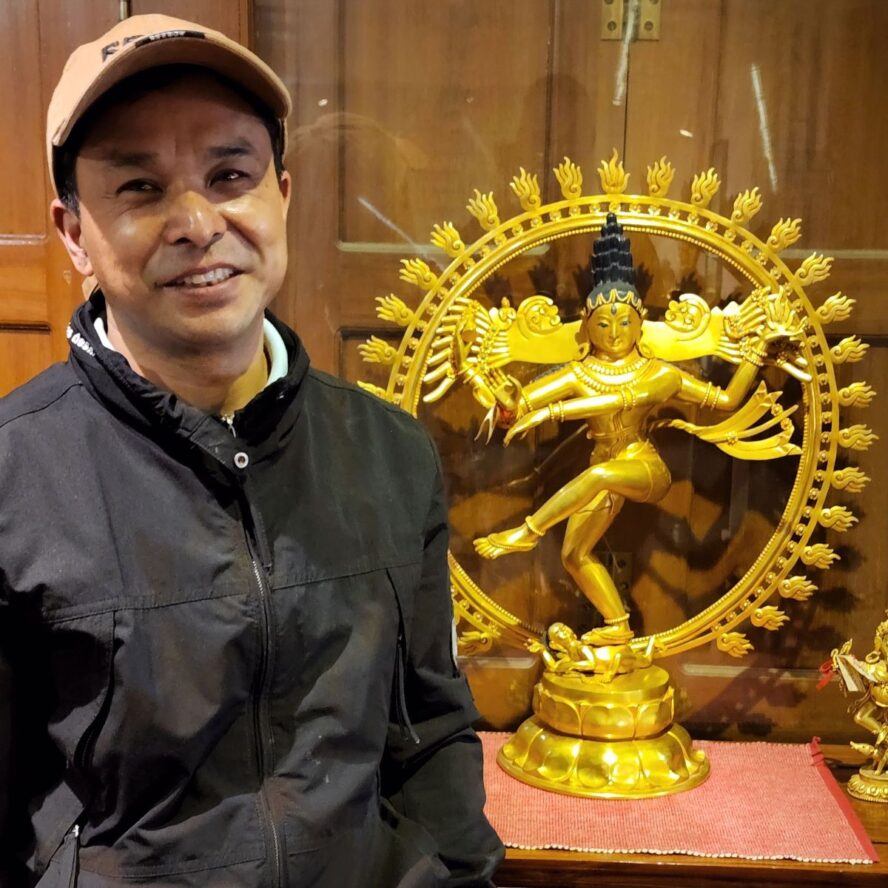
  • Texas (Houston & Dallas) – Texas (Houston & Dallas Metropolitan Areas) has become a significant hub for vibrant Maha Shivaratri observances. In the Dallas–Fort Worth region, temples and Indian community centers in suburbs such as Irving, Allen, Plano, and Coppell organize large-scale Abhishekam ceremonies that continue late into the night. These rituals are often accompanied by thoughtfully curated cultural programs, including classical Bharatanatyam and Kathak dance performances, Carnatic and Hindustani music recitals, and spiritual storytelling that depict Lord Shiva’s cosmic dance (Tandava), symbolizing creation, preservation, and transformation. Similarly, in the Houston metropolitan area, temples across Sugar Land, Pearland, and The Woodlands host extended Shivaratri pujas, drawing devotees from across the region for a night of prayer, devotion, and communal worship.


  • On the East Coast (New York and New Jersey) – On the East Coast (New York and New Jersey), Maha Shivaratri reaches an especially profound and traditional scale, making this region a major focal point for the festival in the United States. Devotees from New York City, northern New Jersey towns such as Edison, Iselin, and Parsippany, and surrounding states travel to participate in deeply devotional, night-long observances. These celebrations include Jagran (all-night vigils) and Akhanda Bhajan sessions, continuous devotional chanting that flows uninterrupted until dawn. One of the most prominent gatherings takes place at the Shiva Vishnu Temple, nestled in the Catskill Mountains, where the serene setting enhances the intensity of prayer, collective chanting, and spiritual immersion throughout the night.


  • In California (West Coast) – Meanwhile, the West Coast (California) offers a more introspective and meditative approach to Maha Shivaratri. Across the San Francisco Bay Area, including cities such as Fremont, Sunnyvale, Milpitas, and San Jose, as well as in Los Angeles and nearby Orange County, celebrations emphasize inner stillness and spiritual renewal. Events here often focus on guided meditation, Vedic chanting, extended abhishekams, and occasional silent retreats, allowing participants to step away from the constant digital noise of modern life and reconnect with the contemplative essence of Mahadev.

When it comes to significant occurrences that happen during the celebration of the festival of Shivaratri, the most important part happens inside of us. The transition to private worship has resulted in more worshipers who choose actual Shiva idols to use for their altars instead of traditional temple decorations. 

Why Your Home Altar is the “Final Destination”

A public temple visit is a powerful experience, but it’s often over in an hour. The real “work” of Shivaratri happens at 3:00 AM, during the quietest part of the night. This is when the home sanctuary becomes vital.

The first part of the process is choosing a focal piece that captures your attention. Be it an ornately decorated brass statue of Shiva casting reflections in a diya, or a smooth and serene marble statue of Shiva, these items do not qualify as “decor.” They take action and provide behavioural directions. When you have the presence of a Shiva statue in your living room, it reminds you to stop and pause, take a breath, and offers you a gentle reminder to stay balanced between your physical obligations and where you find inner peace.

Shiva Sculptures

Recreating the Divine Family

The union of Lord Shiv and Goddess Shakti is sometimes celebrated on Maha Shivratri. In the home, this energy is complete, with the totality of the entire family represented by each member of the family. To symbolize the combination of strength and grace, many families have a statue of Goddess Parvati alongside Lord Shiv.

When bringing in the next generation, adding a statue of Ganesh or Murugan to the altar will create a new way for the altar to tell stories. By doing so, children will learn that spirituality is not a chore, it’s a connection, and create a tradition of living that continues with every ritual.

From the Altar to the Garden: The New Sacred Space

One of the most interesting trends for 2026 is the expansion of the “Mandir” into the outdoors. In the US, where we value our backyards as retreats, placing a large Shiva statue for a garden has become a way to create a permanent meditation spot. A granite or stone outdoor Shiva sculpture can withstand the American seasons, standing as a silent protector through snow and sun alike. For many, an outdoor Shiva statue or a Durga statue for a garden provides a sense of peace that is hard to find in a busy city.

Shiva Statues Collection

Why Lotus Sculpture is the Preferred Choice for US Devotees?

At Lotus Sculpture, we recognize that for the Hindu community in the USA, a “statue” is never just a statue. Your heritage is important to us, and we do not support mass-produced factory items that lack spirit or soul.

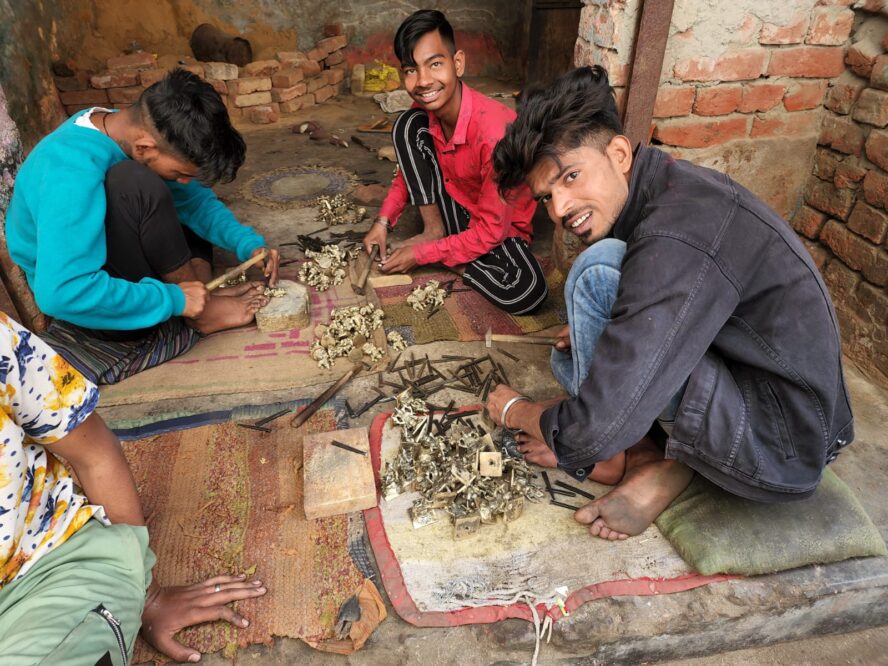
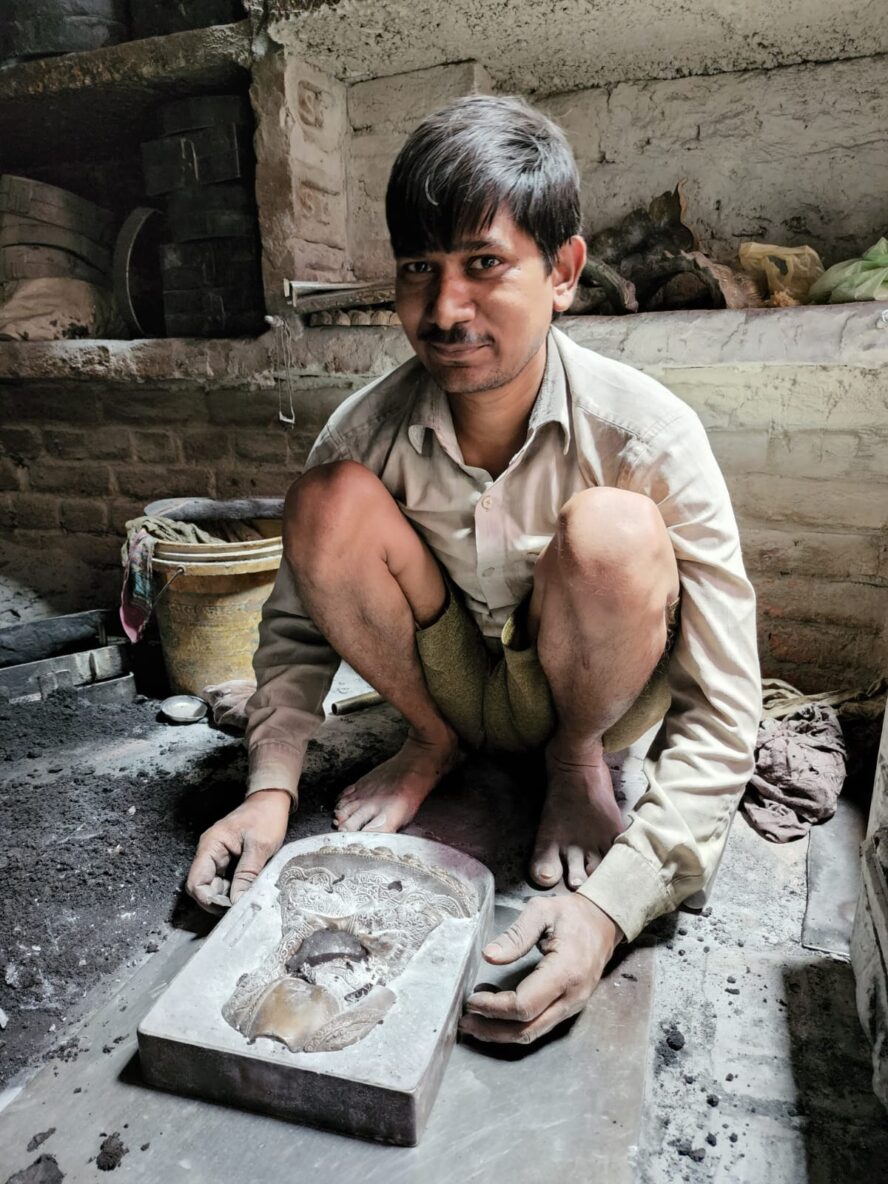
We believe in hand-crafted artistry. We only offer hand-made items where you can actually see the chisel marks of the craftsman, whether it is an intricately carved brass statue of the Lord Shiva for your Maha Shivaratri Abhishekam or a stunningly beautiful marble statue of the Lord Shiva to pass down to your children and grandchildren. We connect you with traditional Indian craftsmen and get it directly to your home.

This Maha Shivaratri, as you are busy gathering for events all over the country, remember that the greatest gift you can give yourself is to create a sacred space within your home in which to cultivate that celebration.

Are you ready to anchor your home’s energy before the Great Night? Explore our curated collection of Shiva Statues and find the piece that brings the temple experience to your own door.

How to Choose the Perfect Statue for Your Outdoor Garden Space?

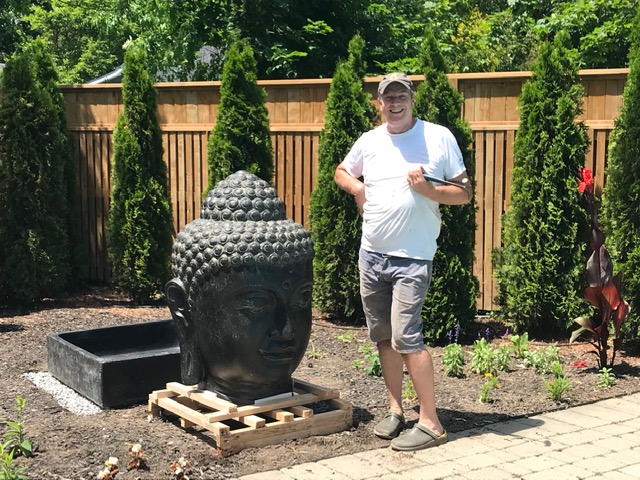
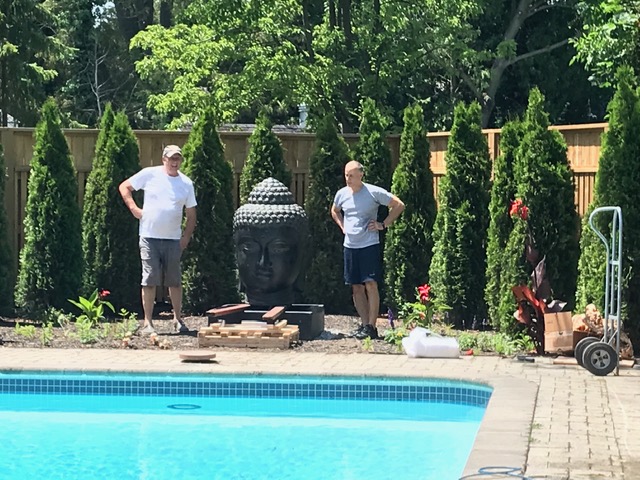
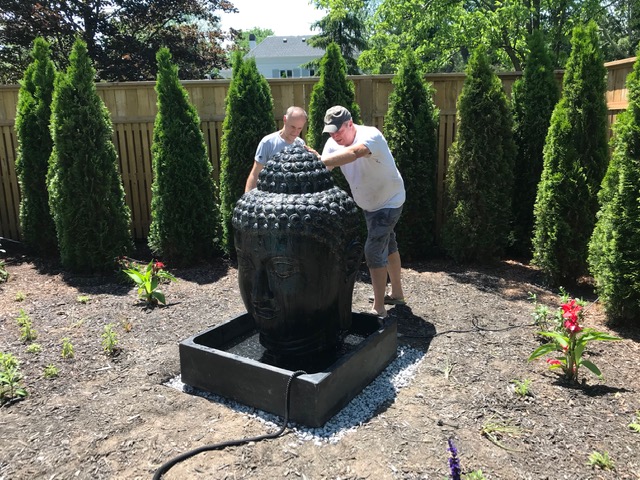
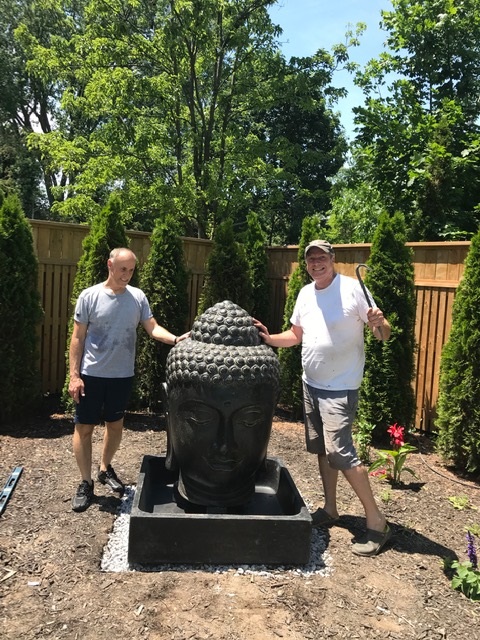
Stone Buddha Statue

What runs through your mind when you look around your backyard? Do you love your grass & seating? Even though they are both lush & beautiful, the majority of people find that if they don’t have an easily seen point of focus, or effect at least, their backyard looks less than complete.

There is no doubt that adding outdoor garden statues is the simplest avenue to give a landscape a sense of individuality. If you have ever browsed a selection of stone garden statues, then you certainly know how difficult it is to pick out “the one”. Would you decide to be loud and make a statement or rather quiet and unobtrusive? Would you pick a timeless figure or an abstract one?

We are going to review practical garden sculpture ideas in this guide to assist you in finding a piece that does not merely stand in your yard but is actually there with you.


Start with the “Why”: Setting the Mood

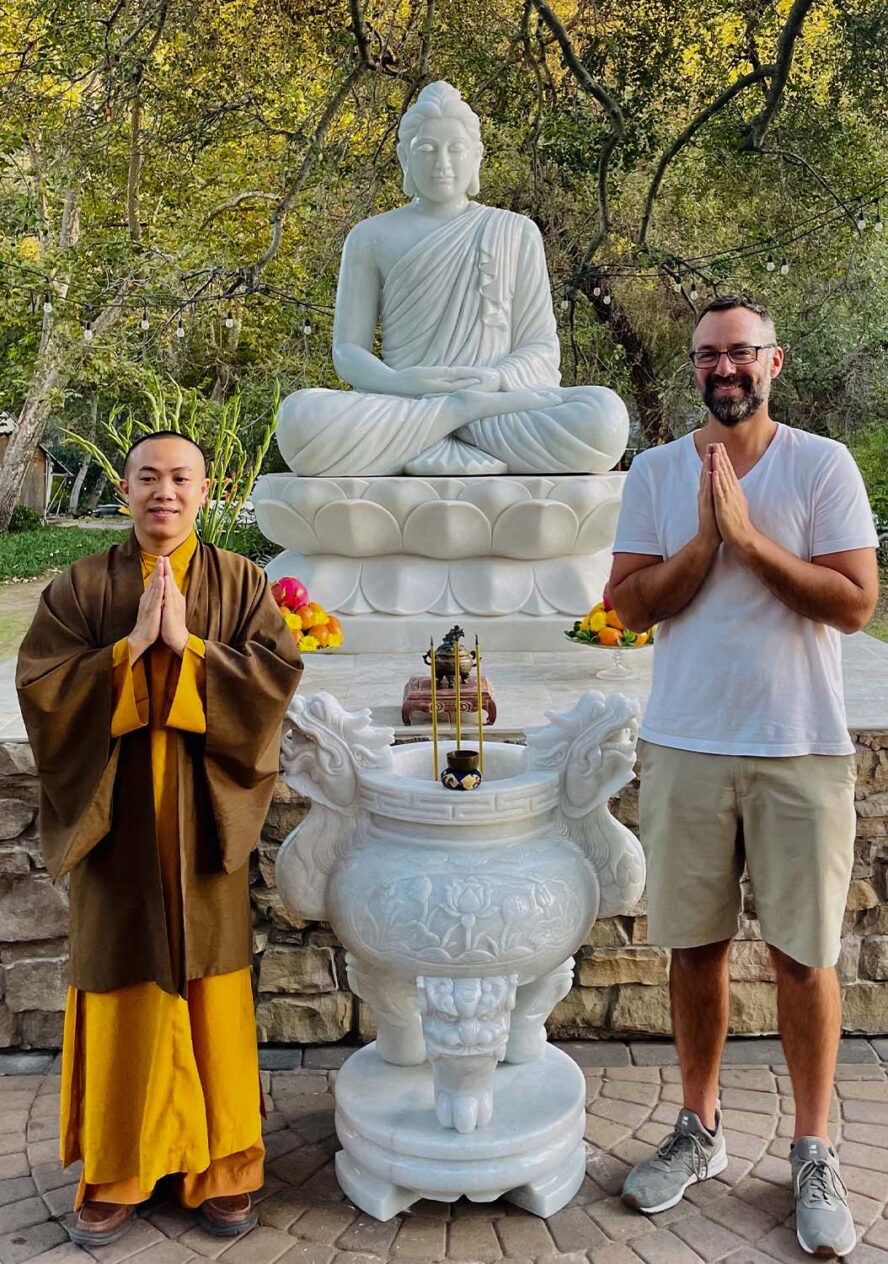
Statues are, by their very nature, a device to establish a certain atmosphere. Think of how your surroundings should feel and not be led by the cost or the size of the sculptures: what would be your feeling if you walked into the room? In case you wanted a peaceful, zen, like atmosphere to have your morning coffee, you could choose some types of stone garden sculptures that you could use either indoors or outside and that would have the image of Buddha or a serene meditating figure. On the other hand, if you were to come up with a more formal and grand idea, then find a classic garden sculpture that would go with your existing home decor and the trees around. It should be the goal to get a stone statue that not only reflects the vibe of your home but also goes with the plants in harmony.

Size and Scale: Don’t Let It Get Lost

Some statues may appear impressive when on display in a showroom while being out of place in your home; in most instances, this is because of improper scale.

The common misconception with these types of statues is to purchase one that is too small for very large open spaces like lawns, leading to it looking like a lost toy instead of an object that has been selected for placement within its environment. If you own a large backyard area, large outdoor garden sculptures are good choices, given their size compared to tall trees and fences. Conversely, if you own a small patio or secluded niche area, then smaller detailed pieces will have a greater sense of intrigue.

Choosing the Right Materials

The type of material and the subject of an outdoor garden sculpture are very important but the condition of the sculpture, due to being outside 24-7, must take into account where it is located and its exposure to the weather. The following chart compares the material types typically used in outdoor sculptures, including marble/stone/bronze:


  • Stone and Granite: These materials are considered the best for durability since stone garden sculptures naturally weather into their environment as they age. Over time, stone garden sculptures will develop a very light layer of moss or a patina that really complements the overall appearance of the garden.
  • Marble – The main advantage of marble sculptures is their high level of detail and beauty. The disadvantages of marble; however, are that it can easily be damaged by abrasive cleaning solvents and heavy air surroundings.
  • Bronze – The most durable out of all materials used to create outdoor sculpture is bronze. Because of this property, bronze is used for most of the higher-end quality outdoor sculptures that will stand the test of time – weather conditions included.
MARBLE BUDDHA STATUE
Browse Buddha Garden Statues

Where to Place Your New Piece?


Placement is where the magic happens. You don’t want to just “drop” a statue in the middle of a lawn and call it a day. Think about your garden decor ideas for landscaping and try these tips for where to place garden statues:

  1. At the End of a Path: Use a statue as a destination. It gives the eye a reason to follow the walkway.
  2. Framed by Foliage: Tucking a stone figure slightly into a bed of ferns or tall grasses makes it feel like it’s been there for decades.
  3. Near a Water Feature: The sound of water combined with a beautiful sculpture creates an instant focal point.
GARDEN SHIVA STATUE
Browse Our Shiva Garden Statues

A Quick Garden Statue Buying Guide

When purchasing your statue be sure to remember these three important factors for quality: 

  • Weight – the weight of your statue plays an important role, especially in areas of high winds and storms. Make sure that your statue is heavy enough to remain planted where it is created, or at least has a base that locks into place when installed. 
  • Detailed Finish – when examining decorative stone statues look for those that have a detailed and defined appearance with well-defined lines and features. If the finish makes your statue look “fuzzy,” most probably it was produced from a mass-produced mold. 
  • Maintenance – inquire about how to maintain your stone statue, either with sealants or whether to simply let it weather naturally.
GARDEN GANESH STATUE
Browse Ganesh Garden Statues

Bringing Art to Life

Ultimately, when a garden statue has significance to you in any way, it is likely that it will be an excellent addition to your garden space or as part of the overall decor of your home. Whether it’s a beautiful garden statue that encourages you to relax and enjoy yourself while in the garden or a larger statue that greets visitors upon their arrival, both types of sculptures reflect the “spirit” of the garden area. 

With your design ideas in mind and taking into consideration such factors as size, materials of construction and placement, transforming even the simplest of backyards into an art gallery for your guests to appreciate can be achieved very easily. Furthermore, certain curated stone garden sculptures may inspire you in the direction of developing your own personal style or taste for stone garden statues. 

Are you prepared to create your own outdoor living space? Begin by examining your garden area thoroughly and determining where it is that you see space being occupied by a carved stone statue. A carved stone statue would provide a beautiful complement to, and also enhance, your home.

Spiritual Home Decor: Incorporating Hindu Idols in Western Home Interiors

There is a specific kind of shift that happens when you walk into a home that prioritizes soul over just “stuff.” In the fast-paced environment of the US, our homes have increasingly become our sanctuaries, places where we don’t just sleep, but where we recalibrate. This is why spiritual home decor ideas have moved beyond niche interests and into the mainstream of high-end interior design.

Integrating Hindu god statues for home decor in the USA style isn’t about turning your living room into a traditional temple; it’s about bringing a sense of ancient peace into a modern aesthetic. Whether you live in a minimalist loft in New York or a sprawling suburban home in Texas, these sacred pieces act as “anchors” for the energy of a room.


The Aesthetic of the Sacred

When we look at Indian spiritual statues, USA enthusiasts often face the challenge of making traditional bronze or stone work within a Western palette. It’s all about the contrast. Using a solid stone hand-carved Shiva or using an ornately decorated Lakshmi piece against a neutral background that has been designed in a modern style will create a stunning visual impact.

Hindu sculptures can also be used for creating interior designs to give them character or introduce texture and history. Sculptures made from weathered granite create a natural giving quality to a bright sunroom. Conversely, polished bronze sculptures add an opulent quality to a library, which typically has a rich palette of darker colours creating a more shadowy atmosphere. Finding the right balance between the visual appeal of the sculpture’s potential uses with its placement can yield pleasing results.


Placing the Divine: Ganesha in the Living Room

If you are just starting to explore religious home decor in the USA, the most popular entry point is often Lord Ganesha. Known as the remover of obstacles, Ganesha is traditionally placed near the entrance of a home to bless those coming and going.

A Ganesha statue decor for living room setup works beautifully on a console table or a floating shelf. When guests enter, they are met with a symbol of wisdom and new beginnings. It’s a conversation starter that carries deep meaning without overwhelming the space.

Ganesh statue
Exploer Our Ganesh Statues

Creating a Meditation Space in Your Home

With the rise of mindfulness, more Americans are looking for meditation space decor USA tips. You don’t need a whole extra room to create a “sacred corner.”

By combining spiritual wall art and sculptures, you can delineate a specific area for quiet reflection. Here are a few home altar statue ideas:

  • Your centerpiece could be a seated Buddha or a calm Krishna statue that will attract your attention and calm your spirit.
  • Place your Indian deity (Hindu) sculpture surrounded by nature cushions that look like linen, wooden containers or bowls and possibly even a few small house plants.
  • Avoid direct harsh overhead lighting onto your statue. Use illumination such as lamps and/or candlelight to reveal the fine, delicate details of your selected Hindu deity sculptures as part of your interior design.

buddha statue for meditation

The Rules of Sacred Placement

In the West, many designs are dictated by “what looks good,” but there are also some traditional sacred statue-placement in your home guidelines to maintain reverence for the spiritual aspect of the artform. Here are some of those guidelines.

  1. Elevate Your Statues: A raised location for your statues (i.e. a pedestal, shelf, side table, etc., rather than the floor; 
  2. Facing Your Statue: Many practitioners face their statues or idols in the direction of East or North; however, most practitioners agree that the most important rule is to keep the area around your statue clean and free from clutter; 
  3. Intent: Consider how you want to be reminded of your values, be it peace, strength, abundance (or others), when placing these pieces in your home.
wood buddha statue
Explore Our Buddha Statues for Home Decor

Finding the Right Piece

Discovering real, high-quality cultural home decor in the USA can be a long trip and you want your piece(s) to feel alive. You want to see and feel the work of man’s hand in every curve, every etched line of the piece you choose. That is why so many collectors seek out hand carved pieces instead of multiple copies made from resin casts.

If you’re in the market for the best spiritual statues for your living space, the most important thing to do is to find a deity whose life story is something you identify with, maybe the protection of Durga or the loving chamelason of Hanuman. By having a connection to a specific statue, it changes the object of decoration into a member of your family.

Hindu Goddess Statue
Explore Hindu Goddess Statues

Conclusion

Creating a home that incorporates both Buddha statues and Hindu idols into your living area while utilizing Western sensibilities creates a living space with a sense of global inspiration and a deeply personal touch. It allows honouring of ancient traditions and living the modern world. 

If you want a piece to enhance your atmosphere, check out the curated collections of our statues of Hindu Gods, which include small desktop items and large garden sculptures. Express Yourself. Showcase yourself through your home!

Facts About Foo Dogs Statues

If you ever passed by the entrance of a luxury hotel, a traditional Chinese restaurant, or even a well-styled home, you have probably noticed them: a pair of fierce, looking like lion figures that are standing guard. In the Western world, we refer to them as Foo Dogs, but their past and significance are much more profound than just a label.

Based on the work of architectural historians, the Foo Dogs Statues have represented protection and wealth/social standing for over 2,000 years in various cultures within West/South East Asia. Maybe you consider them just a few ornaments of the garden, but a traditional feng shui master would regard these art pieces as ‘Shishi’ or ‘Lions of the Imperial Guard’, which are the symbols of the protective energy of the house and heavenly guards against evil.

So, what are the characteristics that differentiate these figures, and how far do they matter? Are they believers, collectors, or the general public? We should get down to the basics that everyone ought to know.

Understanding the Symbolism and History of Guardian Lions

Learning the significance of the guardian dog statues makes it easier to see why they hold meaning and value. If you have a brass Foo Dog statue or a marble Fu Dog statue, knowing what they represent will help give your home some character and depth beyond just looks.

Foo Dog statues
Browse our Foo Dog statues

1. They aren’t actually dogs

Even though these figures are commonly referred to as Fu Dog statues or Foo Dog sculptures, they are in fact lions. With the spread of Buddhism to China, tales of the lion were also transmitted. Since lions did not exist in the area, the artists of Ancient China hadn’t had the chance to see a real one, and thus they created their art based on a combination of local dogs (like the Chow Chow or Tibetan Mastiff) and the descriptions they were given. The term “Foo” (meaning “Buddha” or “Prosperity”) was eventually combined with “Dog”, and the Western nickname has remained ever since.

2. The power of the pair: Yin and Yang

It’s quite rare to find a single Foo Dog statue for home decor. Traditionally, they are not separated; they are two, one male and one female. The latter is not only for compositional balance; it represents the balance of Yin and Yang.

  • The Male: Generally, he is on the right side (when you are looking at the entrance). Under his paw, he has a globe or ball, which stands for the “Flower of Life” and his rule over the world and the home’s external structure.
  • The Female: The left side is her place. Under her paw, she has a lion cub, signifying the protection of the people who live in the house and the nurturing of the family spirit.
fu dog statues
explore our Foo dog statues For Gardens

3. Which paw is it? Identifying the guardians

Should you be planning to purchase a set, be sure to inspect the paws closely. The most common mistake is getting two sets of the same gender. A real Foo Dog Shishi Lion Fu Dog Statues set will demonstrate the male with a firm ball (symbolizing the “Flower of Life”) and the female with a small, cheerful cub beneath her paw.

4. Placement is the key to protection

In the realm of interior design and feng shui, the placement of your Foo Dog statues, whether they are for garden or indoor use, is as important as the statues themselves. To get the maximum “protective” effect, they should always be turned outward.

  • Outside: Essentially, they are located on the two sides of a main door or a gate to prevent “sha chi” (bad energy) from coming in.
  • Inside: When you put them inside the house, they should still be facing the door or the entrance of the room. It is considered that Foo Dogs facing a wall or stuck in a corner are losing their power to protect.
foo dog statues
Check Our Wood Foo Dog Statues

5. They were once a symbol of the elite

A long time ago, these were not available to everybody. They were only the ones in imperial palaces, government offices, and the mansions of the super-rich that had them. The dimension and the substance, be it a marble Fu Dog statue or a brass Foo Dog statue, were usually the factors that showed the rank of the person living inside. Now, although they are open to everyone, they still have that feeling of royal command and “first-class home security” in them.

6. The “Missing” Pearl

In numerous Foo Dog sculptures, there is a small ball visible in the mouth of the lion. What is more, in quite a few hand-carved stone versions, this ball is actually free-carved in such a manner that it can move around but cannot be taken out. This signifies the “pearl of wisdom” or the “breath of the lion. ” It is a statement of the amazing skills of the craftsmen who make these from the same single blocks of stone.

7. Why your home needs them today

Besides the myth, Foo Dogs are still very useful and practical in the modern home decor. They give a feeling of being real and having “weight” in the presence of an entryway. Be it a pair of bronze, marble, or wooden Foo Dogs that you’ve selected, they are the first to be noticed and talked about, and also a symbol that your house is a place of safety.

Bringing the Guardians Home

In essence, Foo Dogs are no less than an investment to the “feel” and energy of your home, apart from being just a decorative choice. Whatever the case may be, a stone Foo Dog statue for your entryway or a pair of porcelain Fu Dogs for your bookshelf, these statues are the ones that separate the disorder of the outer world from the calm that is your inner world.

By knowing the meaning of the male and female pair and making sure that their placement is correct, you are not just going with the flow of the trend, you are recognizing a tradition of awareness and protection which has been there for ages. If you are inclined to a style that also provides you with a sense of security, then you can choose from a large range of genuine Fu Dog statues to get the right guardians for your place.

Buddha Mudras: Buddhas Sacred Hand Positions

Have​‍​‌‍​‍‌​‍​‌‍​‍‌ you ever thought about the fact that Buddha statues are never the same? Some have their hands lying quietly in their lap, some point to the earth, and some are lifted in a sign of comfort. 

It’s not random. The​‍​‌‍​‍‌​‍​‌‍​‍‌ hands of a Buddha figure, it may be a towering marble Buddha statue or a small brass Buddha statue for an altar, are the ones that are calling you. These​‍​‌‍​‍‌​‍​‌‍​‍‌ characters communicate with each other through one silent language common to all which is Mudra, a Sanskrit term meaning “seal,” “gesture,” or “mark.” 

If you want to be really familiar with the Buddha sculptures and also be able to purchase the right piece for your home or garden, you need to comprehend this deep language. Mudras are not simply the figures of the Buddha showing a certain way of the hand; they are the important symbolic lifelines of the Buddha’s life, the Buddha’s different levels of awareness, or the Buddha’s ​deep ​‍​‌‍​‍‌​‍​‌‍​‍‌​‍​‌‍​‍‌​‍​‌‍​‍‌teaching. They are quick to communicate being wise, courageous, or calm. 

This is your guide to the most holy and common Buddha mudras can be deciphered that you will find in Buddhist ​‍​‌‍​‍‌​‍​‌‍​‍‌art. 

The Language of the Hands: Why Mudras Matter

In​‍​‌‍​‍‌​‍​‌‍​‍‌ the tradition of Buddhist art, each pose, each adornment, and each placement signify something profound. The mudra is, without a doubt, the most significant iconographic detail which essentially determines the entire objective of the work. 

Choosing​‍​‌‍​‍‌​‍​‌‍​‍‌ a Buddha statue as home decoration means that you are introducing a powerful energy into your place. When you pick a statue with a certain mudra, it is a calculated step to bring that feeling, whether it is peace, protection, or light, to your living space. Knowing the sign enables you to be certain that you are creating the right atmosphere at your altar or in your meditation  ​‍​‌‍​‍‌​‍​‌‍​‍‌room. 


1. The Earth Witness Mudra (Bhumisparsha Mudra)

This may be the one and only most potent and most easily identifiable gesture among all the works of Buddhist art. It is the depiction of the instant of Buddha’s Enlightenment. 

  • What it looks like: The way to show this is through the left hand resting on lap, palm facing upward (meditation). The right hand stretched out toward the right knee with the fingers touching the earth or pointing to it.
  • The meaning: It stands for the spiritual “showdown.” When Siddhartha was about to attain enlightenment, the demon Mara confronted him and asked who would be the witness of his right to reach such a state. Siddhartha didn’t argue but he just touched the earth. It is said that Earth Goddess herself came out to witness his innumerable lifetimes of virtue, thus, helping Siddhartha to overcome Mara’s temptation.
  • The Energy: It is a very firm gesture. It signifies the triumph of the “higher self” over doubt, fear, and desire. It indicates that truth does not have to be shouted; it only has to be seen.
  • Where to place it: A figure with this mudra is an absolutely clear figurative image of an altar or a quiet corner in the study, showing profound understanding and your indestructible inner ​‍​‌‍​‍‌​‍​‌‍​‍‌power.
bhumisparsha mudra buddha statue
Bhumisparsha Mudra Buddha Statue

2. The Meditation Mudra (Dhyana Mudra)

Just think of a gesture that stands for absolute calmness and concentration – that would be it. If you are looking for a Buddha statue as a personal practice altar, then this is clearly the eternal choice. 

  • How it looks: The hands clasp the lap; both the palms are turned upwards, and the right hand is laid over the left one in a gentle manner. Often the thumbs are slightly touching thus forming a closed triangle or some kind of ​‍​‌‍​‍‌​‍​‌‍​‍‌vessel.
  • The meaning: This sign conveys the concentration and profound meditation that comes as a result of the quest for spiritual perfection. The container made by hands stands for the emptiness of the world and the unity of mind and body.
  • The Energy: Serenity, unshakable focus, and inner harmony.
  • Where to place it: Your main meditation room would be the perfect place, a bedroom, or any spot where you crave quiet and rest. A​‍​‌‍​‍‌​‍​‌‍​‍‌ Buddha idol embodying this condition is extremely helpful in calming the mind and, therefore, it becomes a lot easier to concentrate for longer periods of time.
Dhyan Mudra Buddha Statue

3. The Fearlessness Mudra (Abhaya Mudra)

Abhaya Mudra is a powerful and caring gesture, the one that brings safety and comfort. If you are looking for a Buddha statues for the garden or the gate, this mudra is mostly picked up for its clear and warm message. 

  • How it looks: The hand is raised to the shoulder with the palm facing away, the arm is bent. The left hand can be just hanging by the side or lying on the ​‍​‌‍​‍‌​‍​‌‍​‍‌lap.
  • The meaning: This is the “stop,” “fear not,” or “protection” sign. Buddha is said to have used it to quiet his assault on an elephant, thus, it stands for the power of the divine bringing peace and protection. It absorbs the fear and brings out the bravery.
  • The Energy: Boldness, kindness, and the feeling of being protected are some of the attributes of the energy. 
  • Where to place it: Near the main door of your home or workplace, it is great in indicating a welcome to visitors and keeping negativity ‌ ‌ ​‍​‌‍​‍‌​‍​‌‍​‍‌away.
Abhaya Mudra Buddha Statue

4. The Teaching Mudra (Vitarka Mudra)

This​‍​‌‍​‍‌​‍​‌‍​‍‌ is the gesture of a reasonable, intelligent, and knowledge-sharing discussion which also involves disputing the opposite view. 

  • How it looks: The arm is lifted with the palm outward. The thumb and forefinger are joined to make a circle. The remaining three fingers are sticking up.
  • The meaning: The round shape made by the thumb and forefinger stands for the uninterrupted flow of intellect and the cycle of teachings, it refers to the universal law of Dharma which has no beginning or end. It is the communication of Dharma. 
  • The Energy: Clarity, teaching, and intellectual power.
  • Where to place it: A study, library, or office would be the best place for it, anywhere learning and discussion are the main themes. Choosing​‍​‌‍​‍‌​‍​‌‍​‍‌ Buddha home decor, let the mudra be your guide based on the vibe you wish to bring.
Vitarka Mudra Buddha Statue

5. The Gift-Giving Mudra (Varada Mudra)

The​‍​‌‍​‍‌​‍​‌‍​‍‌ Varada Mudra is a sign that shows the gesture of giving, loving-kindness and also the bestowing of desires.

  • How it looks: Typically, the arm is stretched down with the hand turned a bit inward. The palm can be facing a little outward or forward, and the fingers are long and pointing downward.
  • The meaning: This hand gesture stands for giving, welcoming, and being honest. It is an influential memory of the moral being generous and loving all creatures.
  • The Energy: Giving, loving-kindness, and ​‍​‌‍​‍‌​‍​‌‍​‍‌joy.
  • Where to place it: This gesture is one of giving, welcoming, and being genuine. It is an impressive call to the moral attribute of giving and loving all living ​‍​‌‍​‍‌​‍​‌‍​‍‌creatures.
Varada Mudra Buddha Statue

Choosing the Right Mudra for Your Space

If​‍​‌‍​‍‌​‍​‌‍​‍‌ you are going to buy a Buddha statue as part of your home decor, you may want to consider the mudra and figure out what type of energy you wish to ​‍​‌‍​‍‌​‍​‌‍​‍‌create. 

 Your Goal Recommended Mudra Why?
Cultivate Peace & Focus Dhyana Mudra (Meditation) Instills deep calm and concentration.
Require Strength & Truth Bhumisparsha Mudra (Earth Witness) Represents unwavering resolve and enlightenment.
Desire Protection & Safety Abhaya Mudra (Fearlessness) Dispels fear and offers reassurance.
Encourage Learning & Wisdom Vitarka Mudra (Teaching) Promotes clarity in thought and discourse.
Seek Compassion & Charity Varada Mudra (Gift Giving) A reminder of generosity and acceptance.


Mudras and Materials: The Final Seal

Whatever​‍​‌‍​‍‌​‍​‌‍​‍‌ it is that you might have picked out: a nice durable bronze Buddha statue for the garden, or an intricately detailed wood carving for the shelf – most of the time, it is the material that decides the completion of the mudra: 

  • Brass/Bronze: The two metals are regularly seen in the figures of Bhumisparcha and Abhaya mudras, and the metals symbolize strength and power as well as longevity.
  • Wood/Stone: Perfect for Dhyana mudras in meditation halls, these materials have the ability to create a natural, earthy ​‍​‌‍​‍‌​‍​‌‍​‍‌atmosphere.

Mudras are essentially human truths and a spiritual path presented in a very simple and elegant way. Their amazing power lies in their ability to transcend language and communicate these truths not only to the present but also ​‍​‌‍​‍‌​‍​‌‍​‍‌beyond.

Knowing these hand positions your statue is no longer just an ornamental item but a spiritual anchor of great depth, resonating with the energy you require most. 

Take a look at all of our Buddha statues Collection  and decide on the mudra that fits best with your spiritual ​‍​‌‍​‍‌​‍​‌‍​‍‌place.

  • Page 3 Of 39