Spiritual Home Decor: Incorporating Hindu Idols in Western Home Interiors

There is a specific kind of shift that happens when you walk into a home that prioritizes soul over just “stuff.” In the fast-paced environment of the US, our homes have increasingly become our sanctuaries, places where we don’t just sleep, but where we recalibrate. This is why spiritual home decor ideas have moved beyond niche interests and into the mainstream of high-end interior design.

Integrating Hindu god statues for home decor in the USA style isn’t about turning your living room into a traditional temple; it’s about bringing a sense of ancient peace into a modern aesthetic. Whether you live in a minimalist loft in New York or a sprawling suburban home in Texas, these sacred pieces act as “anchors” for the energy of a room.


The Aesthetic of the Sacred

When we look at Indian spiritual statues, USA enthusiasts often face the challenge of making traditional bronze or stone work within a Western palette. It’s all about the contrast. Using a solid stone hand-carved Shiva or using an ornately decorated Lakshmi piece against a neutral background that has been designed in a modern style will create a stunning visual impact.

Hindu sculptures can also be used for creating interior designs to give them character or introduce texture and history. Sculptures made from weathered granite create a natural giving quality to a bright sunroom. Conversely, polished bronze sculptures add an opulent quality to a library, which typically has a rich palette of darker colours creating a more shadowy atmosphere. Finding the right balance between the visual appeal of the sculpture’s potential uses with its placement can yield pleasing results.


Placing the Divine: Ganesha in the Living Room

If you are just starting to explore religious home decor in the USA, the most popular entry point is often Lord Ganesha. Known as the remover of obstacles, Ganesha is traditionally placed near the entrance of a home to bless those coming and going.

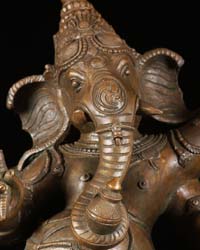
A Ganesha statue decor for living room setup works beautifully on a console table or a floating shelf. When guests enter, they are met with a symbol of wisdom and new beginnings. It’s a conversation starter that carries deep meaning without overwhelming the space.

Ganesh statue
Exploer Our Ganesh Statues

Creating a Meditation Space in Your Home

With the rise of mindfulness, more Americans are looking for meditation space decor USA tips. You don’t need a whole extra room to create a “sacred corner.”

By combining spiritual wall art and sculptures, you can delineate a specific area for quiet reflection. Here are a few home altar statue ideas:

  • Your centerpiece could be a seated Buddha or a calm Krishna statue that will attract your attention and calm your spirit.
  • Place your Indian deity (Hindu) sculpture surrounded by nature cushions that look like linen, wooden containers or bowls and possibly even a few small house plants.
  • Avoid direct harsh overhead lighting onto your statue. Use illumination such as lamps and/or candlelight to reveal the fine, delicate details of your selected Hindu deity sculptures as part of your interior design.

buddha statue for meditation

The Rules of Sacred Placement

In the West, many designs are dictated by “what looks good,” but there are also some traditional sacred statue-placement in your home guidelines to maintain reverence for the spiritual aspect of the artform. Here are some of those guidelines.

  1. Elevate Your Statues: A raised location for your statues (i.e. a pedestal, shelf, side table, etc., rather than the floor; 
  2. Facing Your Statue: Many practitioners face their statues or idols in the direction of East or North; however, most practitioners agree that the most important rule is to keep the area around your statue clean and free from clutter; 
  3. Intent: Consider how you want to be reminded of your values, be it peace, strength, abundance (or others), when placing these pieces in your home.
wood buddha statue
Explore Our Buddha Statues for Home Decor

Finding the Right Piece

Discovering real, high-quality cultural home decor in the USA can be a long trip and you want your piece(s) to feel alive. You want to see and feel the work of man’s hand in every curve, every etched line of the piece you choose. That is why so many collectors seek out hand carved pieces instead of multiple copies made from resin casts.

If you’re in the market for the best spiritual statues for your living space, the most important thing to do is to find a deity whose life story is something you identify with, maybe the protection of Durga or the loving chamelason of Hanuman. By having a connection to a specific statue, it changes the object of decoration into a member of your family.

Hindu Goddess Statue
Explore Hindu Goddess Statues

Conclusion

Creating a home that incorporates both Buddha statues and Hindu idols into your living area while utilizing Western sensibilities creates a living space with a sense of global inspiration and a deeply personal touch. It allows honouring of ancient traditions and living the modern world. 

If you want a piece to enhance your atmosphere, check out the curated collections of our statues of Hindu Gods, which include small desktop items and large garden sculptures. Express Yourself. Showcase yourself through your home!

3 most important things to know about Ganapati Murtis

Ganesh, also known as Shri Ganapati, is one of if not the most popular of all Hindu deities. He’s worshiped and honored regardless of Hindu denomination. So much so, his reverence spreads to even Buddhists and Jains alike. Being the patron of arts & science, remover of obstacles, keeper of wisdom, and lord of beginnings, it’s hard to not like him!  Ganesha can be found in just about every Hindu shrine due to these attributes, so here are the most important things to keep in mind when placing your Ganapati murti!
  • Where to place the Murti in home

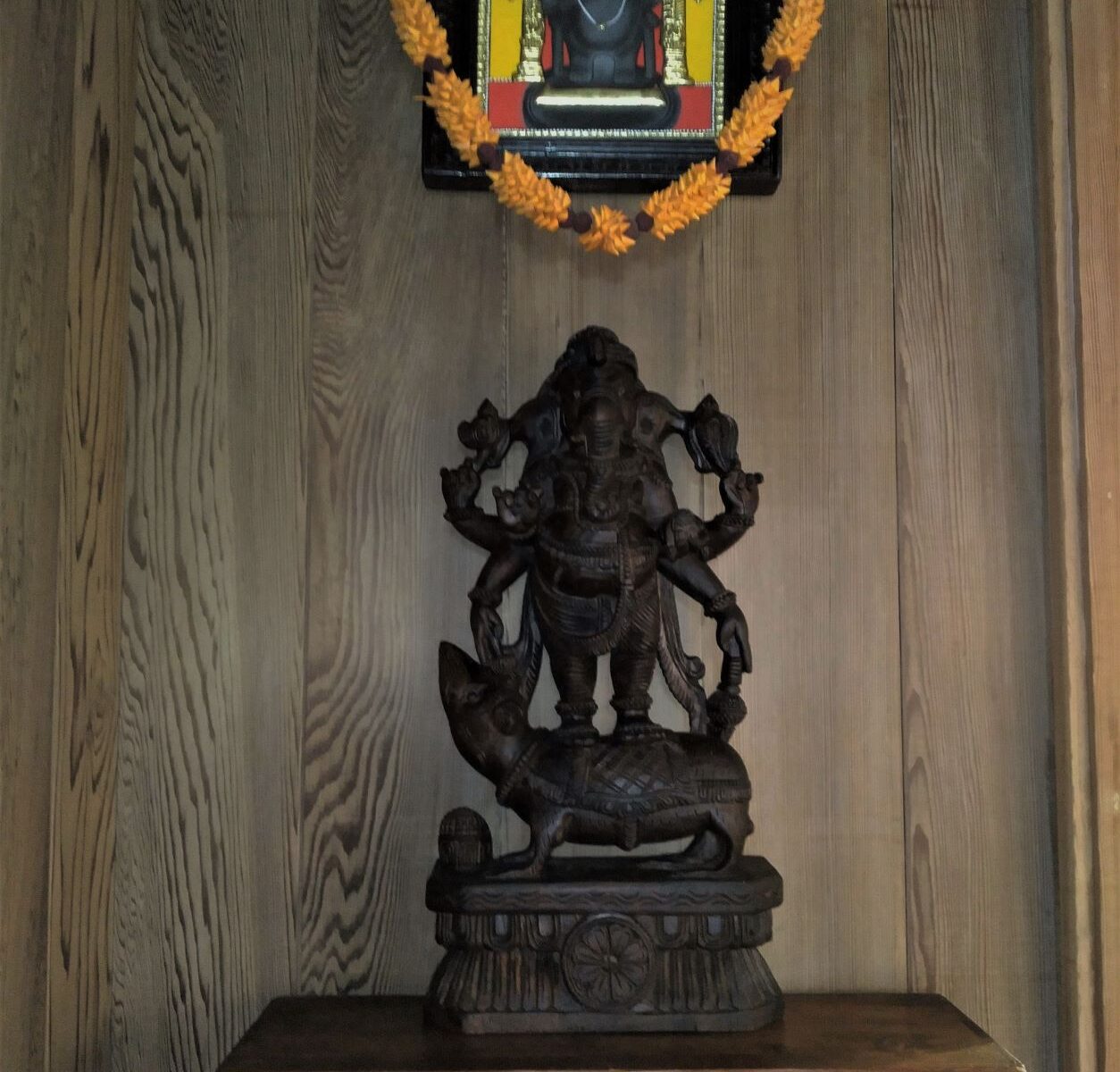
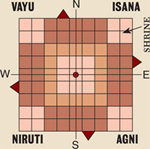
Most are not aware, but there are specific places one may place the Ganapati Murti in order to strengthen the vibrations of bliss and success. It is ideal to seat the Murti in the northeasternmost part of the home. If any other murtis are present, it is most proper for Ganesh to be seated to the right-hand side of these murtis if he is not to be the center of the mandir. According to the Vastu Shastra(traditional Vedic architecture), this positioning aids with the flow of chakra in the temple. It is also extremely common to have a small picture or idol of Ganesh next to or above the entryway of the home &|or puja room as it is said this acts as a blessing for those coming and going.

  • The posture of the Murti

Ganesha murtis come in many postures, & each gives off an entirely different vibration for a completely different purpose. The most common type is the sitting or meditating position. This posture is called lalitasana. Sometimes rather than having both legs folded, one leg will be on the ground while the other rests upon his vahana(his mouse). This denotes that he is concerned with earthly affairs & is here to aid his followers and remove obstacles while his meditating pose where both legs are folded creates an atmosphere of calm and determination. His dancing or standing posture is for those seeking a creative, energetic, & artistic atmosphere. His sitting postures are best for the home while his standing postures are best for work environments.

  • Position of the Trunk

Ganesh murti trunk hanging in the center and curled to the left This is a key aspect of Ganesh murtis that is often overlooked but should never be! When purchasing a Ganapati murti, be very very choosy. The trunk is the most important aspect of this specific murti. There are three main styles: Vamamukhi, Dakshinmukhi murti, and Shushumna. Vamamukhi trunks hang to the left & are the easiest to please and are associated with calmness, success, & happiness. They are also sometimes called Vastu Ganesh because he is perfect for solving vastu related issues. Whereas, Dakshinmukhi murti trunks hang to the right. It is believed that the sun’s energy flows through this murti’s trunk & because of this, owning one is not recommended as they require special care as per Vedic tradition. If one worships this murti properly, it is said to grant immediate results & moksha(liberation from reincarnation); however, if one doesn’t follow the proper tradition then it is said that all the good results gained from the worship are burned away by the sun’s energy. The final kind is called Shushumna. With trunks hanging down straight, these statues are rather rare and considered extremely auspicious.