My Cart: 0 item(s)

Lotus Flower, Hindu God's Favorite Flower
Symbols & Meanings
The Sacred Lotus
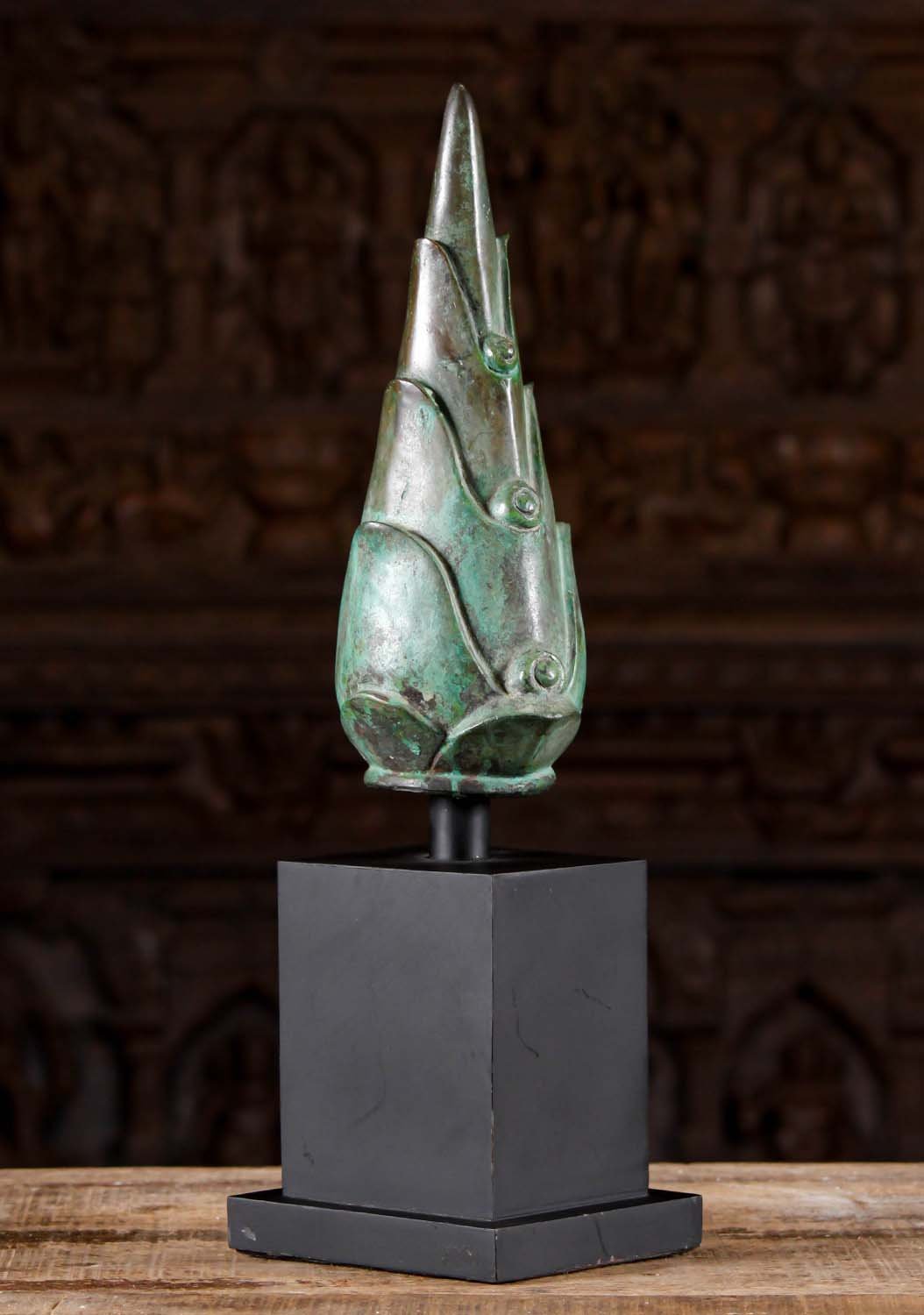
Rooted in mud, it rises through dark water and opens clean and radiant in the sun. No flower carries more meaning in Hindu and Buddhist art, and once you start looking, you will find it beneath, beside and in the hands of nearly every deity.
Why the Lotus
Beauty That Rises From the Mud
The lotus begins life in the mud at the bottom of a pond. Its stem climbs through murky water until the bud breaks the surface and opens, untouched by the mud it grew from. Water even beads up and rolls off its leaves.
That journey is why the lotus became the great symbol of spiritual growth: the soul rising from ordinary life, through difficulty, toward purity and awakening. It also stands for beauty, abundance, fertility and divine birth.
“One who acts without attachment, offering every action to the Divine, is untouched by sin, as a lotus leaf is untouched by water.”Bhagavad Gita 5.10, paraphrased
In Hinduism
The Seat of the Gods
In Hindu art the lotus marks the presence of the divine. Gods and goddesses sit or stand on it, hold it in their hands, and in one of the great creation stories, the universe itself begins with a lotus.

Vishnu & Brahma
Creation
As Vishnu rests on the cosmic ocean, a lotus grows from his navel. Brahma, the creator, appears seated in its blossom and brings the world into being. This is why Vishnu is called Padmanabha, “lotus-naveled.”

Lakshmi
Abundance
The goddess of wealth and good fortune sits on a blooming lotus and holds lotuses in her hands. Two of her names, Padma and Kamala, both mean “lotus.”

Saraswati
Wisdom
The goddess of knowledge, music and the arts is often shown seated on a white lotus, a sign of pure, clear understanding.

Padmasana
The lotus throne
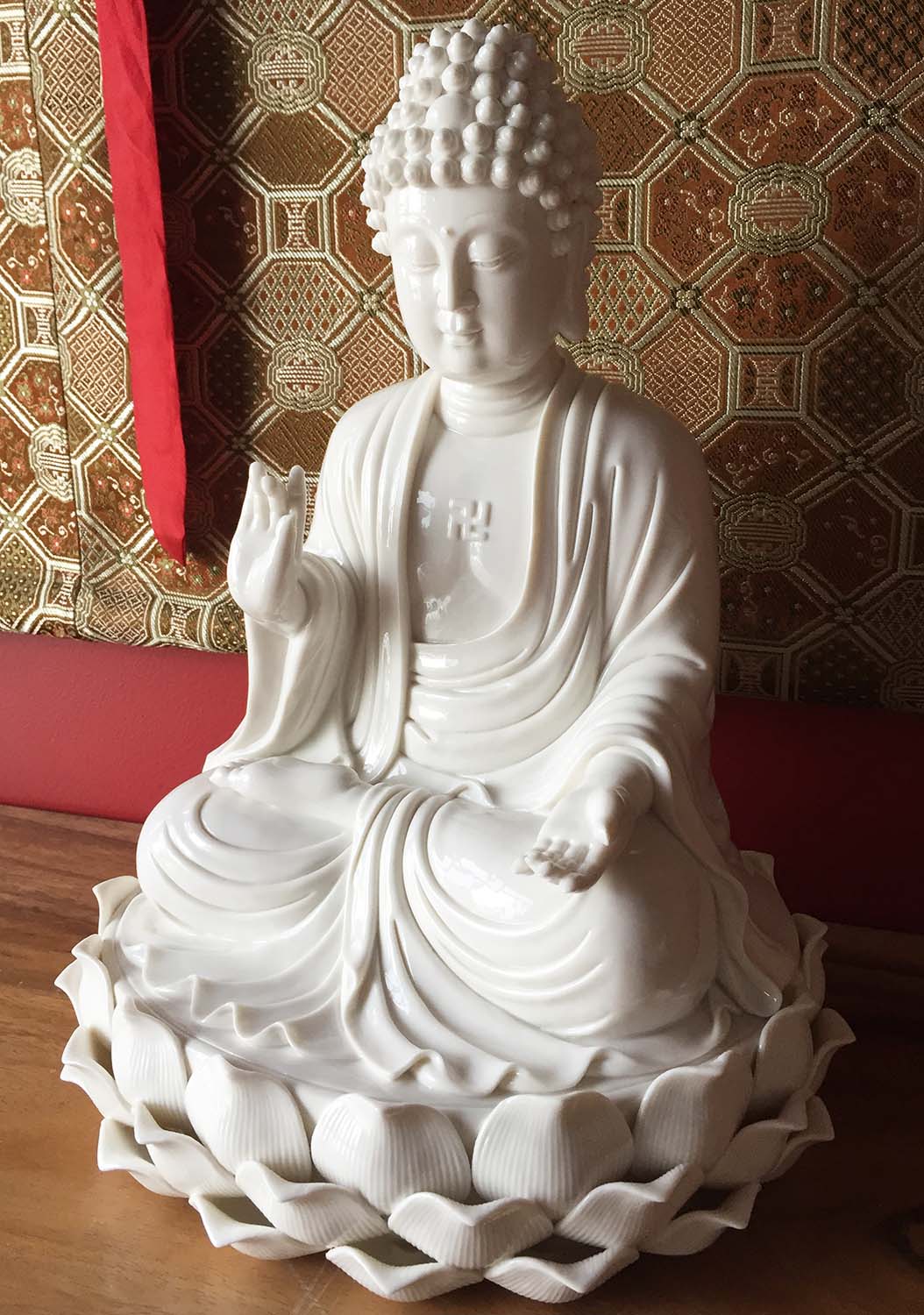
The lotus pedestal beneath so many statues is called a padmasana, or lotus seat. It tells you the figure above is divine, pure and rising above the world.

Yoga
The lotus pose
Padmasana is also the cross-legged lotus position of meditation and yoga, the posture of the Buddha and of Shiva as the great yogi.

The Chakras
Lotuses within
In yoga and Tantra, the body’s energy centers are pictured as lotuses, each with its own number of petals, up to the thousand-petaled lotus at the crown of the head.
In Buddhism
The Flower of Awakening
For Buddhists, the lotus is the path itself: a mind that grows through the muddy water of everyday life and opens into enlightenment, unstained by what it passed through.
A lotus throne. The Buddha and many bodhisattvas are shown seated or standing on lotus bases, a sign of their purity and awakened nature.
A miraculous birth. Legend says that when the infant Siddhartha took his first seven steps, a lotus bloomed beneath each footprint.
The jewel in the lotus. The beloved Tibetan mantra Om Mani Padme Hum, the mantra of the bodhisattva of compassion, is often translated as “the jewel in the lotus.”
In Nature
A Remarkable Flower
The sacred lotus earns its symbolism. The real plant is as extraordinary as the stories told about it.
Self-cleaning
Its leaves are covered in tiny bumps that make water bead up and roll away, carrying dirt with it. Scientists call this the “lotus effect.”
1,000+ years
Lotus seeds can survive for centuries. Seeds found in an ancient lakebed in China have sprouted after more than a thousand years.
Warm-blooded
The lotus can warm its own flowers, holding them at a steady temperature even on cool days, which helps attract pollinating insects.
From Our Collection
Find the Lotus
Lotus bases, lotus vessels and deities who hold the lotus, chosen by Kyle from the workshops that make them.


