My Cart: 0 item(s)

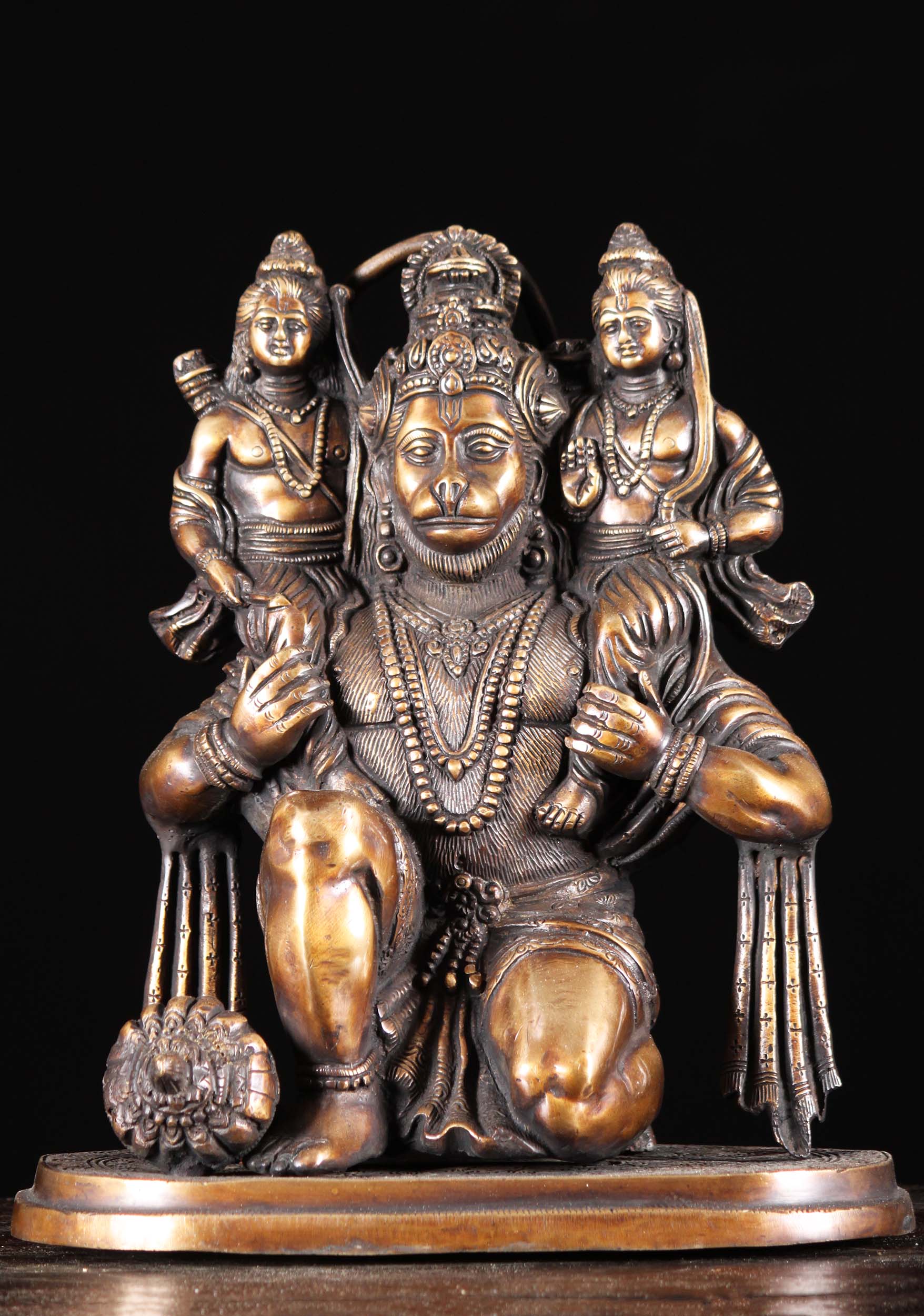
Ramayana Epic: Rama Rescuing Sita from Lanka
| | The Ramayana is a classical Sanskrit epic of India, probably composed in the 3rd century B.C. Based on numerous legends, it is traditionally the work of Valmiki, one of the minor characters. The epic was revised and set down in its best-known form by the poet Tulsi Das (1532-1623). The Ramayana, because of its single subject, has more unity and is far shorter than the Mahabharata Epic, the other great Indian epic. In the many different recensions of the work, there are from 24,000 to 43,000 couplets of 16-syllable lines. Incorporating much earlier sacred material from the Vedas, the Ramayana relates the adventures of Rama, who, together with his three half brothers, collectively made up the seventh avatar (incarnation) of the Hindu god Vishnu. Rama was deprived by guile of the throne of Ayodhya and forced into a long exile with his wife, Sita, the prototype of noble womanhood. When Sita was abducted by a demon, Ravana, Rama allied himself with the king of the monkeys, Sugriva, and the monkey general, Hanuman, and fought a mighty battle in Lanka (Sri Lanka). Finally, Sita was recovered, and Rama was restored to his kingdom. The Adhyatma Ramayana, a popular work of more recent date, tells how Sita's mother (the earth mother) rose from a great chasm to reclaim her daughter. The epic influenced many of the literatures of Southeast Asia. Its principal characters are still worshiped in India. |