Vijayadashami, also known as Dussehra, is a significant Hindu festival that symbolizes the victory of good over evil. It is celebrated with great fervor across India and marks the culmination of two intertwined stories – the tale of Lord Rama’s triumph over the demon king Ravana and the story of Goddess Durga’s victory over the demon Mahishasura. Together, these stories remind us of the eternal struggle between good and evil, and the ultimate triumph of righteousness.
The Story of Lord Rama and Ravana
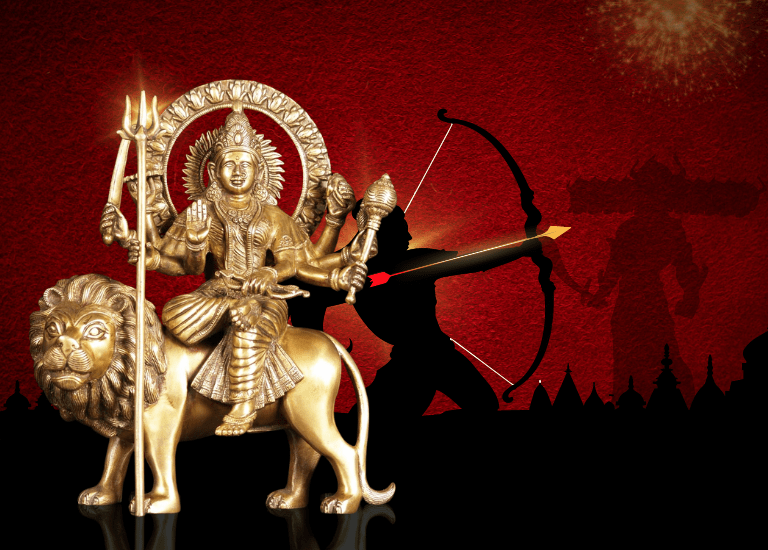
At the heart of Dussehra is the ancient story of Lord Rama, the seventh avatar of Lord Vishnu, who embarks on a quest to rescue his wife, Sita, from the demon king Ravana. Ravana, the ten-headed ruler of Lanka, kidnaps Sita, leading to an epic battle between the forces of good, led by Lord Rama, and the forces of evil, led by Ravana.
Rama is not alone in his quest. His loyal brother Lakshman and the devoted Hanuman, along with an army of monkeys, join him in the battle to defeat Ravana. After a fierce struggle, Rama finally confronts Ravana in the climactic battle of the Ramayana. With his divine bow and arrow, Rama strikes Ravana down, killing him and rescuing Sita. The defeat of Ravana symbolizes the victory of dharma (righteousness) over adharma (unrighteousness).
The burning of Ravana’s effigy, known as Ravana Dahan, is one of the most prominent rituals of Dussehra. It serves as a reminder that no matter how powerful evil may appear, it will always be vanquished by truth and justice.
The Story of Goddess Durga and Mahishasura
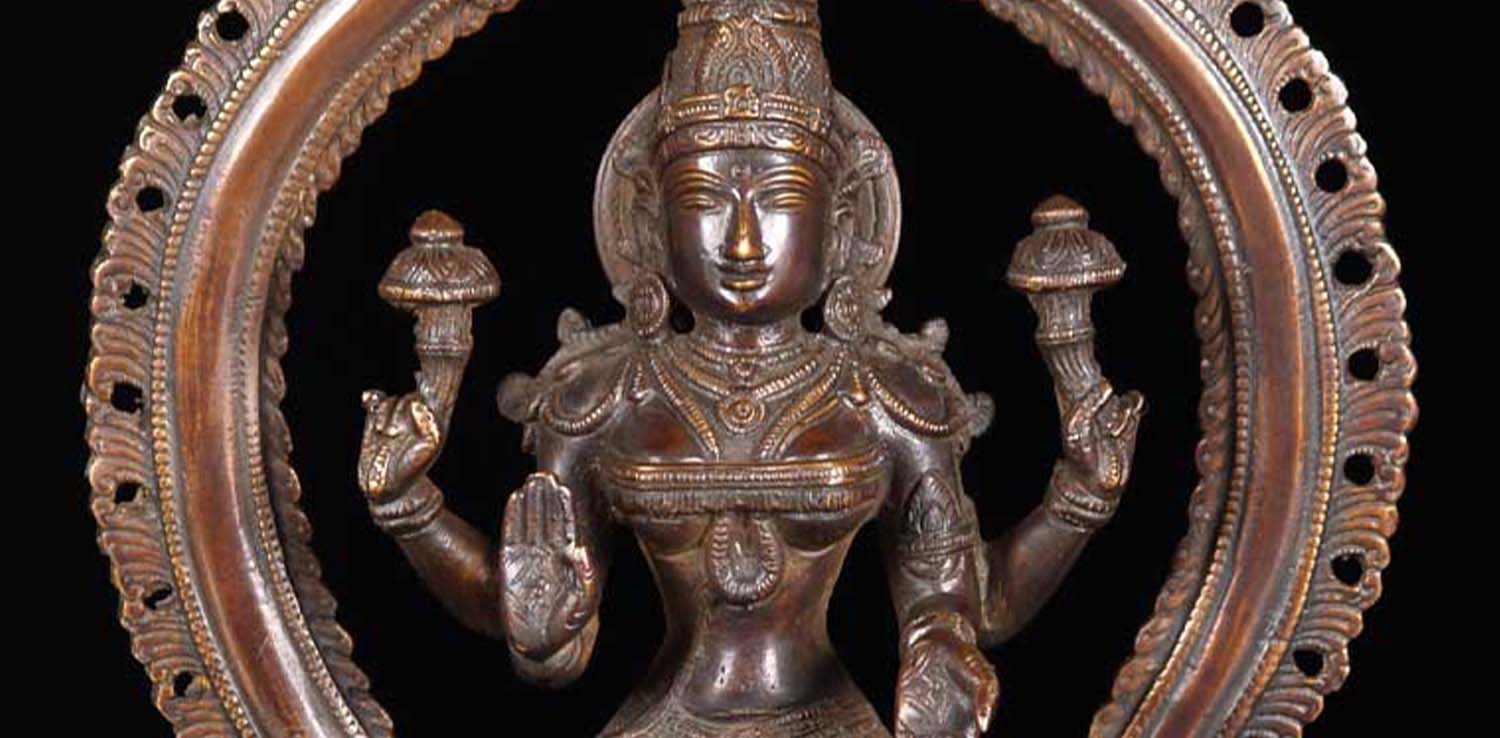
While Lord Rama’s story is central to Dussehra, the festival also celebrates another powerful victory of good over evil – the story of Goddess Durga. According to Hindu mythology, Mahishasura, a shape-shifting demon who could take the form of a buffalo, terrorized the heavens and the earth. He was granted a boon by Lord Brahma that made him nearly invincible, with the condition that only a woman could defeat him.
Mahishasura grew arrogant, believing that no woman could ever challenge him. He wreaked havoc on the universe, forcing the gods to seek help. In response, the gods combined their powers to create Goddess Durga, the fierce embodiment of divine feminine energy (Shakti). Armed with weapons gifted by the gods, Durga engaged in a fierce battle with Mahishasura that lasted for nine days and nights.
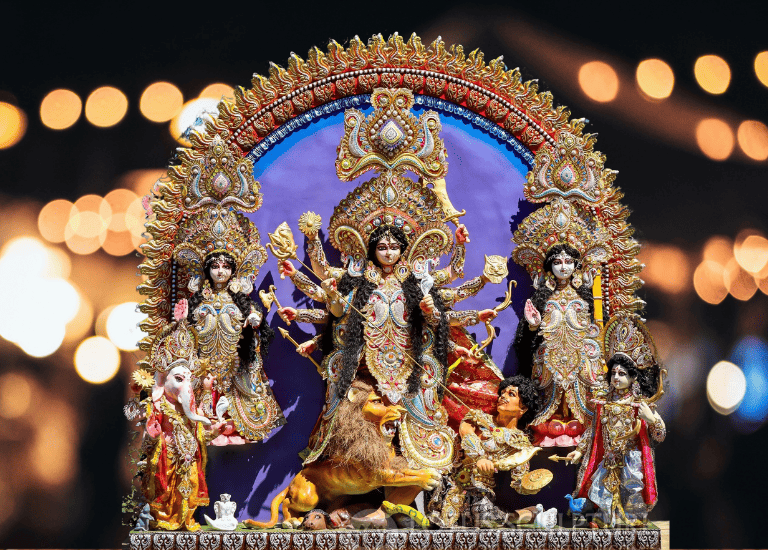
On the tenth day, known as Vijayadashami, Goddess Durga finally vanquished Mahishasura, freeing the world from his tyranny. This victory symbolizes the power of Shakti, or feminine energy, and the triumph of good over evil forces that try to disrupt cosmic harmony.
During the festival of Navratri, which leads up to Vijayadashami, devotees worship the nine forms of Durga, celebrating her strength, wisdom, and compassion. On the final day, Vijayadashami, her victory over Mahishasura is commemorated with great enthusiasm, particularly in eastern India, where large statues of the goddess are immersed in water (Durga Visarjan) as part of the celebrations.
Significance of Dussehra and Vijayadashami
Both the stories of Lord Rama and Goddess Durga serve as powerful metaphors for the battles we face in our lives. Dussehra reminds us that good will always prevail, even in the face of great adversity. The festival’s message is universal – it speaks of courage, righteousness, and the importance of standing up against injustice and evil.
Cultural and Spiritual Unity:
Dussehra and Vijayadashami bring people together, celebrating the rich cultural and spiritual heritage of India. The rituals, processions, and reenactments of the stories create a sense of unity among communities. Whether it’s through the grand effigies of Ravana being burnt or the immersion of Goddess Durga’s idols, the festival fosters a sense of shared belief in the triumph of good over evil.
Victory of Dharma Over Adharma:
Both stories highlight the importance of living a life guided by dharma (righteousness) and upholding moral principles. Lord Rama’s unwavering commitment to dharma, despite the challenges he faces, and Goddess Durga’s fierce determination to restore balance and defeat evil, remind us to stay true to our values.
Inner Battles and Personal Growth:
Dussehra is not just about external battles but also symbolizes the internal struggle between good and evil within us. Just as Lord Rama fought Ravana and Goddess Durga battled Mahishasura, we too must confront the negative emotions and vices within us, such as anger, greed, and pride. The victory of good over evil in these stories serves as an inspiration for self-reflection and personal growth.
Rituals and Celebrations
Dussehra and Vijayadashami are marked by a variety of vibrant rituals and traditions across India, each region celebrating in its own unique way. Here are some of the key rituals:
Ramleela Performances:
In many regions, the story of Lord Rama’s battle with Ravana is performed through Ramleela, a dramatic reenactment of the Ramayana. These performances captivate audiences, reminding them of the values of truth, honor, and courage.
Ravana Dahan:
In many parts of India, enormous effigies of Ravana, his brother Kumbhkaran, and his son Meghnath are set on fire. This ritual symbolizes the destruction of evil forces and is often accompanied by fireworks and celebrations.
Durga Puja and Visarjan:
In eastern India, especially in West Bengal, Durga Puja is a major celebration. Devotees build beautiful pandals (temporary structures) to house the idols of Goddess Durga. After days of worship, these idols are taken in grand processions to rivers or the sea for immersion, marking the end of the festival.
Navratri Celebrations:
Across India, Navratri is celebrated with great enthusiasm leading up to Vijayadashami. Each day of the nine-night festival is dedicated to a different form of the goddess, and people participate in traditional dances like Garba and Dandiya, especially in Gujarat.
Conclusion
Vijayadashami and Dussehra are more than just festivals—they are a reminder that good will always triumph over evil, both in the world and within ourselves. The stories of Lord Rama and Goddess Durga serve as timeless lessons, guiding us to lead lives rooted in righteousness, courage, and compassion.
As we burn the effigies of Ravana and celebrate the victory of Goddess Durga, we are reminded to confront the evils we face in our own lives—be they external challenges or internal struggles. The festival encourages us to strive for balance, uphold truth, and believe in the power of good to overcome even the darkest forces.
Let us carry the spirit of Vijayadashami with us throughout the year, drawing inspiration from these ancient tales as we navigate the challenges of modern life, always remembering that good will ultimately prevail.