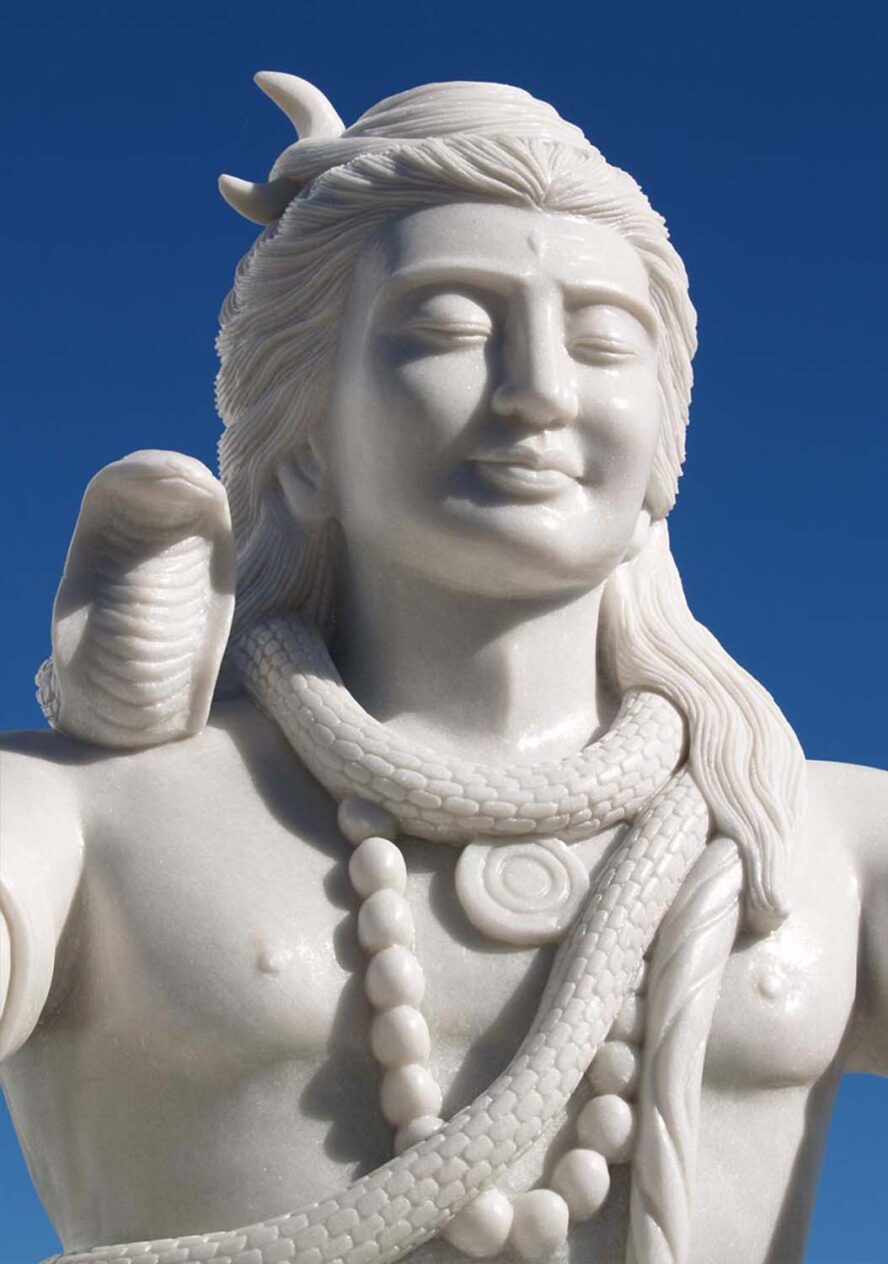
Nataraja vs. Meditating Shiva vs. Ardhanarishvara: Which Form to Choose?

nataraja statues

Have you ever experienced walking into a room and suddenly feeling a change in the atmosphere? Possibly the area seemed to you to be so relaxed that everything was under control, or, on the contrary, it was so full of a sudden powerful surge of the highly concentrated, inventive energy. Gifting Mahadeva to your home is no mere matter of decor. Shiva is capable of manifesting himself as the immortal dancer, the silent meditator, as the divine duality of masculine and feminine energies and every incarnation has its own very distinct spiritual and visual essence.

If you are wondering which form to buy, the answer depends entirely on the atmosphere you want to cultivate. Let’s look at how to choose the right form for your lifestyle and goals.

Shiva Statue
Meditating Shiva Statue


The Intersection of Modern Decor and Conscious Spirituality

Before you dive into room layouts and Vastu principles, it helps to understand why the statue’s physical shape matters so much. In sacred art, a masterfully crafted sculpture is more than a display piece; it becomes a kind of visual conduit for a specific energy, almost like it channels something. A dynamic form adds a sense of motion and a sort of revitalisation to a room, while a still form gives it stability, grounds the space, and, yes, serves as an anchor of peace.

Whether a beautiful bronze piece intricately made by the traditional lost wax method, a heavy brass work of art, or a finely hand-carved stone deity, you would like to be sure that its spiritual intent goes hand in hand with your way of living. Here are the main aspects of the three principal manifestations of Lord Shiva that will help you make the right decision for a spiritual retreat in your home.
 

Lord Nataraja: The Cosmic Dancer

In case you find your space to be dull or stagnant, then the form of Nataraja is considered to be able to infuse new energy into the environment.

Nataraja statue
Nataraja statue Collection


The Iconography and Energy

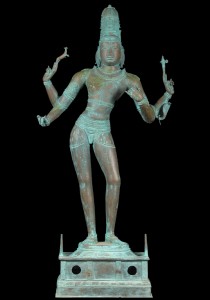
In this magnificent kind of form, Shiva feels like he’s captured mid-dance inside a blazing halo, while he balances on one foot atop a small demon who looks like he shrank down. The Nataraja statue’s meaning turns into a profound lesson about the rhythm of existence, like creation, preservation, destruction, illusion, and liberation all moving together, not in a neat line but kind of in motion. He’s holding a drum (damaru) that drums out the pulse of time, plus fire that stands for change that can not be avoided. The energy here is dynamic, really active, and honestly deeply inspiring, like it keeps pulling you forward even when you’re just looking.
 

Ideal Placement & Material Recommendations

Because Nataraja represents fast momentum and cosmic fire, your Shiva statue placement vastu decisions need to be intentional, not just “wherever it fits :

  • Where to put it: Put it in a main living room, a creative studio, an office, or any space that gets used daily, especially where brainstorming, artistic work, and general activity happen.
  • Where to avoid: Don’t put a Nataraja statue in the bedroom, or in a quiet study corner. That intense, active energy can mess with your sleep, your rest, and that calm kind of focus people want.
  • Material Tip: A rich, heavy bronze or brass Nataraja looks stunning under direct spotlighting, emphasizing the intricate details of the flames and dancing limbs.


Meditating Shiva: The Ultimate Yogi

On the complete opposite end of the spectrum sits the yogic form of Mahadeva. If your everyday life is fast-paced, kind of hectic, and filled with digital noise, this is the anchor your home really needs. 

Shiva Statue
Shiva Statue Collection


The Iconography and Energy

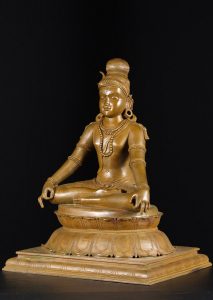
Here, Shiva is seated in a deep lotus posture (Padmasana), his eyes gently closed, his hands resting in his lap, and a quiet kind of smile on his face. He feels completely turned inward, not really bothered by the chaos of the outside world. His trident (trishula) rests quietly near him, like a small sign of steadiness over the mind, ego, and all those restless wants.

The presence of a Shiva statue in meditative pose at home will immediately give you a sense of calmness, as if your nervous system gets a visual cue to slow down, relax, introspect, and find peace within yourself.

Ideal Placement & Material Recommendations

To pull out the maximum calming value from this yogic form, stick to these classic Vastu guidelines:

  • Where to put it: The northeast corner of your home, the Ishanya corner, is considered ideal for meditation, clarity, and spiritual growth. Place your meditating Shiva there, preferably facing north or east. It works really well in a dedicated altar room, a quiet reading corner, or a serene entryway, so visitors step in with peace before they even speak.
  • Material Tip: Hand-carved white marble, dark granite, or natural volcanic stone works really well for this yogic shape. Something about the carved weight of it feels right, like the room can hold calm energy. These natural, earthy materials soak up the quiet vibe, and they also throw out a gentle, grounding halo that invites deeper meditation.


Ardhanarishvara: The Divine Synthesis

If you want to find more harmony in your relationships or maybe mix logic with intuition a bit better, then Ardhanarishvara is worth looking into.

The Iconography and Energy

Ardhanarishvara is this composite form of Shiva split down the middle. The right side is male, and the left is female, as Parvati. This represents non-duality in the universe where masculine and feminine energies are inseparable. It is about harmony and balance mostly. Some parts feel like they emphasize equality and wholeness as well. I am not totally sure how all the details line up, but that is the main idea.

The energy of this form feels centred on harmony, steadiness, equality, and wholeness. It’s also this bold visual nudge that real strength doesn’t only mean power, it means compassion too and somehow logic and intuition have to work together, not fight.

Ideal Placement & Material Recommendations

Because this form directly addresses the balance of relationships, its placement is highly specific:

  • Where to put it: This is a really standout option for a main living room, where the family naturally gathers, because it encourages shared respect and a calmer flow of communication. You can also place it in a main bedroom to help create harmony between partners.
  • Where to avoid: Try not to put it near bathrooms, kitchens or in cluttered storage areas, because it can disturb the careful balance of the divine energies. Sometimes people forget this part, but it matters.
  • Material Tip: Go for top-quality two-tone metals or stones with well-done carvings, so the small differences between the two sides can be noticed up close and in a quiet way.


Making Your Final Decision

Sometimes you can simplify things by just looking at what your life is missing right now. 

  1. Nataraja could be good if you need motivation and creative inspiration. It also gives courage for major life transitions.
  2. Pick Meditating Shiva if you want stress relief, stronger mental clarity, spiritual discipline, and an oasis of calm, you know that quiet steadiness.
  3. Pick Ardhanarishvara if your focus is relationship healing, deeper internal balance, and learning unity in your home in a real, everyday way.


A Note on Mindful Devotion

No matter which form you bring home, remember that a sacred statue is not only a design accent or decor idea. Treat it like it matters. Keep the space clean, uncluttered, bright, and raised off the floor on a dedicated altar, table, or mantel, so it’s given proper respect to the ancient skill and the deity.

Take a look at our authentic, museum-quality collections to discover the right Shiva Nataraja Statues, or just browse the full range of Hindu God Shiva Statues to refresh your home sanctuary today.

5 Shiva Mantras, Chants, Shivarathri Hymn, Shiva Worship

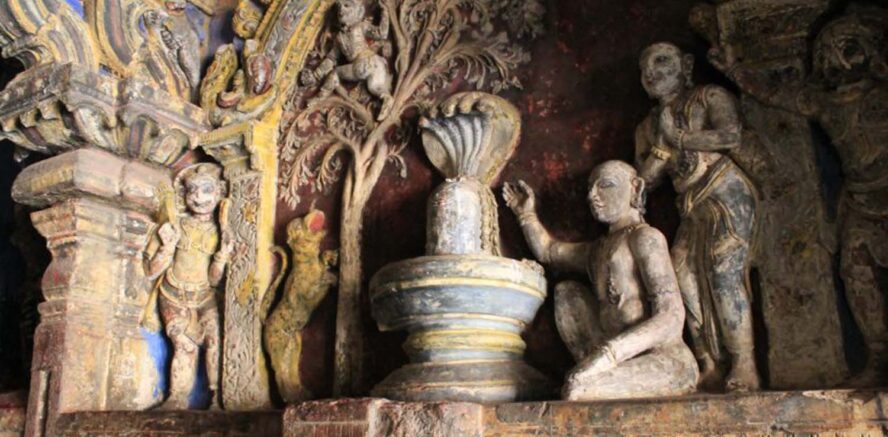
Maha Shivarathri is the most auspicious of festivals dedicated to the Hindu God Shiva.  Here are 5 Shiva Mantras to help you celebrate Lord Shiva!  It is believed that on this day Lord Shiva appeared to the world in the form of a pillar of light, or Jyotirlinga. Lord Shiva, the primordial teacher, is believed to be easily pleased; thus, any worship offered to him – regardless of its simplicity or grandeur – is thought to bring about great merit. All across India, and in many Hindu communities around the world, nightlong vigils are observed in honor of Lord Shiva. Devotees offer abhisheka, or a ritual bath, to bronze and stone sculptures of Lord Shiva in his many forms. Among the most popular of the forms that receive worship on this day are the Shiva Linga, Lord Dakshinamurthy, Lord Bhairava, and Lord Somaskanda.

Since Shiva is easily pleased, offering milk, water, leaves, flowers, clothes, fruits, or even an oil lamp is commendable. Simply meditating upon the form of Shiva with a pure mind and utmost devotion is considered the highest form of worship. The sage Adi Shankara wrote Shiva Manasa Puja as an affirmation of this notion. In this beautifully composed hymn, Shankara performs the Puja of Lord Shiva with vivid and devout imagination. Reciting this hymn on the night of Maha Shivarathri is the best way to begin or end the night’s festivities!


1.

“Ratnaiḥ kalpitamāsanaṃ himajalaiḥ snānaṃ ca divyāmbaraṃ
nānāratna vibhūṣitaṃ mṛgamadā modāṅkitaṃ candanam
jātī campaka bilvapatra racitaṃ puṣpaṃ ca dhūpaṃ tathā
dīpaṃ deva dayānidhe paśupate hṛtkalpitaṃ gṛhyatām”

Meaning:
Oh ocean of compassion! Oh lord of those bound by the noose!
I imagine a throne made of precious gemstones to seat you, cool water trickling from the Himalayas to bathe you, divine clothed embroidered with various jewels to adorn you, flowers composed of jasmine, champak, and Bilva leaves, divine incense, and a bright oil lamp.
Oh Lord, please accept these offerings which I imagine in my heart for you!

2.

“Sauvarṇe navaratnakhaṇḍa racite pātre ghṛtaṃ pāyasaṃ
bhakṣyaṃ pañcavidhaṃ payodadhiyutaṃ rambhāphalaṃ pānakam
śākānāmayutaṃ jalaṃ rucikaraṃ karpūra khaṇḍojjcalaṃ
tāmbūlaṃ manasā mayā viracitaṃ bhaktyā prabho svīkuru

Meaning: Rice pudding and ghee in a golden bowl studded with the nine precious gems, five dishes prepared with milk and curd, plantains, juice, tasty water infused with herbs, and the aromatic betel leaf. These I have prepared in my mind with utmost devotion. Please accept them oh Lord!

3.

“Chatraṃ cāmarayoryugaṃ vyajanakaṃ cādarśakaṃ nirmalaṃ
vīṇā bheri mṛdaṅga kāhalakalā gītaṃ ca nṛtyaṃ tathā
sāṣṭāṅgaṃ praṇatiḥ stuti-rbahuvidhā-hyetat-samastaṃ mayā
saṅkalpena samarpitaṃ tava vibho pūjāṃ gṛhāṇa prabho

Meaning: I offer a splendid umbrella to shade you, fly whisks and a fan to cool you, a spotless mirror to see you, music from the vīṇā, bheri, and mṛdaṅga to please you, sweet songs and dances to entertain you, a full prostration to respect you, and abundant forms of hyms to praise you. Please accept my puja oh Lord!

Worship of Shiva Linga

4.

ātmā tvaṃ girijā matiḥ sahacarāḥ prāṇāḥ śarīraṃ gṛhaṃ
pūjā te viṣayopabhoga-racanā nidrā samādhisthitiḥ
sañcāraḥ padayoḥ pradakṣiṇavidhiḥ stotrāṇi sarvā giro
yadyatkarma karomi tattadakhilaṃ śambho tavārādhanam”

Meaning: You are my soul, Parvathi is my intellect, your attendants are my five vital breaths, my body is your abode. My involvement in the world is nothing but worship unto you. My roaming feet are constantly in the divine act of walking around you, all my speech is in praise to you. All the work I do is a form of worship to you, oh Lord!

5.

kara caraṇa kṛtaṃ vākkāyajaṃ karmajaṃ vā
śravaṇa nayanajaṃ vā mānasaṃ vāparādham
vihitamavihitaṃ vā sarvametat-kṣamasva
jaya jaya karuṇābdhe śrī mahādeva śambho

Meaning: Whatever may be the sins I have committed with my hands and feet, those sins born of my hands and body, or the sins arising from my work. Whatever may be the sins born of my ears and eyes, or of my mind, or those sins arising from my doing what has been prescribed and not prescribed. Please forgive all of these sins, oh Lord. Victory unto you, oh ocean of compassion, the greatest and most auspicious of gods!


View All Our Mantras to Hindu Gods
including English and Sanskrit translations

10 Kali Mantras15 Saraswati Mantras4 Ganesha Mantras
6 Murugan Mantras8 Krishna Mantras7 Hanuman Mantras
3 Lakshmi Mantras8 Vishnu Mantras5 Shiva Mantras

Hari-Hara, The Unity of Shiva and Vishnu

In the early centuries of the Common Era, sectarian strife was a major issue between the followers of Shiva and the followers of Vishnu. With the advent of Advaita or non-dualistic philosophy, the differences between these two sects and many others have been partially reconciled. The unity of the major god’s Shiva and Vishnu has become increasingly popular, and many temples now house the image of Hari-Hara.

Hari-Hara
South Indian Bronze Hari-Hara Statue

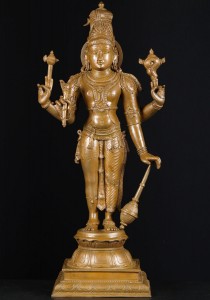
The iconographical depiction of Hari-Hara or Shankara-Narayana combines the two deities, Shiva and Vishnu, into a single body. The icon itself is aesthetically pleasing; however, the underlying philosophy is even more beautiful.

The Hindu trinity is comprised of Brahma, the creator, Vishnu the preserver, and Shiva the dissolver. Brahma represents the creation of the universe, this world, and everything within it. There is no way to refuse that the creation of all that surrounds us, as well as ourselves, is astonishing. Therefore Brahma does not find himself to be the subject of sectarian division. The argument instead revolves around the relative greatness of Vishnu, the guardian of Brahma’s creation versus Shiva, the one capable of destroying the entire creation and providing a blank canvas for Brahma to begin again.

Sayana Vishnu
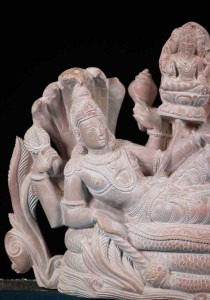
Vishnu reclining on Adi Sesha

When looking at the descriptions of Shiva and Vishnu according to various texts, it is interesting to see the juxtaposition between them. Vishnu, who represents the Sattvic Guna is depicted as cloudy black in color, while Shiva who represents the Tamasic Guna is depicted as crystalline white. If that is not confusing enough, Vishnu who is responsible for the protection of the world is depicted as lounging on the back of a snake in the depths of the ocean while Shiva who is responsible for various culminations, one of which being sleep, is depicted as ever-awake and deep in contemplation.

Shiva in deep meditation

While perplexing at first, the hidden symbolism is very significant. Vishnu is described to be the color of a dark rain cloud. In this context, he is associated with water, which is appropriate because water is the basic necessity of survival. Only with water can plants grow to be later used for food, lumber, and clothing. Shiva is described to be the color of ash. From his third-eye emanates a ferocious fire. Fire is the basic element that causes destruction and stimulates renewal. After burning anything, the result is white ash, which represents the transient nature of life. The cycle of life can also be understood in the context of this symbolism. Vishnu resides in the bottom of the ocean while Shiva resides at the top of the Himalayas. This shows how man starts at the very bottom and is nurtured by Vishnu, then as he gains knowledge, prosperity, and energy (think Saraswathi, Lakshmi, and Parvathi!) he soars to the heights of this world and will eventually receive Moksha, another culmination granted by Shiva.

While this is only a drop in the vast ocean of symbolism and philosophy regarding these two major deities, it is an introduction to understanding the profound beauty behind the sculpture of Hari Hara. On the right stands Shiva, clad in tiger skins and yielding the ax that cuts our ties to this universe. On the left stands Vishnu clad in silk garments and yielding the conch that signals the victory of good and the mace that represents the power of the mind and body. Together on a single pedestal they stand and reassure us that our good qualities will be preserved and our bad qualities destroyed.

śivasya hridayam viṣṇur viṣṇoscha hridayam śivaḥ

Vishnu is the heart of Shiva; Shiva is the heart of Vishnu

~Svasti~

Avatar of Shiva: Virabhadra the Ferocious

Like many of the Hindu deities, Hindu God Shiva is said to have many Avatars.  One such Avatar is that of Virabhadra.  Virabhadra is said to have been born when Shiva grabbed a lock of his own hair and threw it upon the ground.  He was a powerful being created by Shivas wrath when we wanted to destroy Dakshas Yagna, or fire sacrifice.

View All Our Hindu God Shiva Statues

Legend has it that Dashkas youngest daughter Sati set her sights on Shiva at a young age.  When she was at an age to marry, Dashka invited all the gods and princes together to find a suttor for her, leaving out Shiva.  Furious that he did not invite the one she loved, Sati threw her wreath into the air calling upon Shiva.  Shiva appeared with the wreath around his neck, forcing Dashka to allow her to marry her.  Disapproving of the match however, Dashka again omitted Shivas attendance to a great fire sacrifice.  Sati, out of fury, confronted her father.  She condemned his actions and fell dead at her father’s feet.

When Shiva heard of this, he became enraged.  Out of anger, her tore out a lock of his hair that with glowing with his furious energy.  At this moment Virabhadra was born. His tall menacing body had a thousand arms, 3 burning eyes, and fiery hair.  He was draped in skulls and carried unfathomable weapon.  Shiva instructed him to destroy the fire sacrifice of Daksha and sever Daksha’s head.  Vuraghadra is a said to be a tremendous warrior causing other gods to flee the battle field whenever he appears.  No gods are a match to his fury and strength in battle.

To Learn More About the Hindu Gods CLICK HERE