Navaratri 2025- Significance of 9 Days of Navaratri

durga statue

Navaratri, is the most sacred Hindu festival on the calendar. It’s a colorful celebration of the divine feminine principle, or Shakti, and good triumphing over evil. Believers worldwide worship Goddess Durga in her nine forms for nine nights and ten days. The festival is a period of greater spiritual self-awareness, discipline, and group solidarity resulting in celebratory victory in Vijayadashami.

This year, Navaratri will be from Monday, 22 September 2025, to Wednesday, 1 October 2025, and Vijayadashami on 2 October. Each of these nine days celebrates a different quality of the goddess, mapping a gripping narrative of power, innocence, and final victory. This is a guide to each of these nine holy days.

The First Three Nights: Honoring the Warrior Goddess Durga

The first three evenings are all in honor of Goddess Durga since she represents strength, power, and courage. They are evenings to call upon us to overcome our own weaknesses and set us up for the spiritual journey before us. The goddess in her fiery form is invoked to destroy evil qualities and cleanse the mind. The spiritual energy of a lovely Durga statue as part of home furnishings can be a reminder of this power.

durga statues
Explore Goddess Durga Statues

Day 1: Goddess Shailaputri

Goddess Shailaputri, the “Daughter of the Mountain,” is the focus of the first day. She is the daughter of Himavan, the embodiment of the Himalayas, and thus the embodiment of the simple power of nature and the beginning of a new religious path. She rides a bull, carrying a trident and a lotus. Her worship is a beginning as she symbolizes the start of the festival and the divine power that pushes us ahead. Keeping a calm Shailaputri statue in your house can bring beginnings.

Day 2: Goddess Brahmacharini

The second day is devoted to Goddess Brahmacharini, the devotion and penance goddess. Her name is “one who practices Brahmacharya,” or spiritual discipline. She is shown walking barefoot, carrying a rosary and a water pot. Her physicality is a lesson that through patience, will power, and self-control, we can surmount anything. She is the ultimate symbol of self-control and patience, which are required to attain any spiritual heights. A stunning Brahmacharini idol can bring concentration and discipline to your life.

Day 3: Goddess Chandraghanta

The third day devoted to Goddess Chandraghanta, the married form of Parvati. She has been named thus because she wears half-moon bell (chandra-ghanta) on her forehead. She is a terrifying person of valour and tranquility, ready to fight against evil and yet showering tranquility on her devotees. Ten arms of hers carry various weapons, but she remains peaceful and elegant. Offering a puja to her grants courage and good sense of mind to a person. The strength and serenity of Durga statues perfectly embody this lovely combination of strength and peace, and therefore any Durga sculpture can be a good addition to a household. You can also find a rare Chandraghanta idol that offers worship on this day.

The Next Three Nights: Celebrating Abundance and Motherhood

The next three nights are spent in honor of Goddess Lakshmi, the goddess of prosperity, wealth, and spiritual richness. This is the section of the festival where requests are placed for the invocation of good energies and blessings for a peaceful and joyful existence. A peaceful white marble Durga statue would typically be the preference for this section of the celebration.

lakshmi & saraswati statues
Explore Goddess Lakshmi Statues

Day 4: Goddess Kushmanda

We pay our respects to Goddess Kushmanda on the fourth day. She is the creator of the world, having created the world with her pleasant smile. She has eight arms, which are filled with various objects representing her creative power and dominance over the world. Worship in her name is said to attain good health, wealth, and happiness. She reminds one of plenty and the abundance of opportunities in the world. A colorful Kushmanda idol can occupy your space with creative energy.

Day 5: Goddess Skandamata

The fifth is to Goddess Skandamata, mother of Lord Skanda (Kartikeya), war lord. She embodies the virtues of maternal love and compassion. Her benevolent form is depicted with her son on her lap. She is also worshiped to bring peace and wisdom, and is revered as the world mother. The day is more important for mothers, as they pray to her for good wishes for the health of their child. A serene Skandamata statue is a beautiful symbol of motherhood.

Day 6: Goddess Katyayani

Goddess Katyayani, who is a ferocious war manifestation of Durga created by the collective fury of the gods to defeat the demon Mahishasura, is the goddess of the sixth day. She is seated upon a lion and represents absolute power and willingness to engage in battle to right what is wrong. She is the power that destroys evil and makes righteousness the conqueror. A grand durga statue for outdoor space can represent this strong presence, and a beautiful Katyayani statue can also represent her fearlessness.

The Final Three Nights: Embracing Wisdom and Spiritual Fulfillment

The last three nights are dedicated to Goddess Saraswati,the goddess of knowledge, wisdom, and spiritual consciousness. The latter half of the festival is all about spiritual wisdom and celebrating the strength of inner consciousness. A sophisticated brass Durga sculpture can echo this refined subtlety.

Day 7: Goddess Kalaratri

The seventh night is all about Goddess Kalaratri, the most violent and frightful form of Durga. Her name is “the one who is the death of time.” She is the destroyer of ignorance, darkness, and evil spirits. Her appearance may be horrendous, but she is most dearly protective of her devotees. She is connected with the raw energy of transformation. Her intense form is inextricably linked to Goddess Kali, and worshipping her makes an individual transcend all kinds of fear and instill inner strength. The energy of a Kali statue for the altar wonderfully captures this aspect of the divine. You may also request a special Kalaratri idol to keep at home.

kali statues
Explore Goddess Kali Statues

Day 8: Goddess Mahagauri

We worship Goddess Mahagauri, the goddess of peace and innocence, on the eighth day. Her complexion was darkened after she did very heavy penance, but Lord Shiva cleansed her in the Ganga River and her complexion became fair again. She is peaceful, forgiving, and gentle. Her worship cleanses a devotee’s life and makes it beautiful and peaceful. Kanya Puja can be done today when little girls are worshiped as forms of the goddess herself. A serene figure of Mahagauri is a stunning embodiment of such purity.

Day 9: Goddess Siddhidatri

The ninth and last day is for Goddess Siddhidatri, the giver of supernatural power and spiritual wisdom. She is said to bestow all types of success and knowledge upon her followers. She sits on a lotus and holds a mace, discus, conch shell, and lotus in her hands. Her worship on this day brings the spiritual practice of Navaratri to its culmination in the best possible way since she fulfills all desires and grants all wishes. She is the epitome of spiritual practice and devotion. A beautiful Durga idol is generally a center of attraction on this last day, and throughout the year, a Siddhidatri idol can bless your house with flowers.

The Meaning of Navaratri

Navaratri is not merely a ritual festival. It is a tremendous call to action that we have to bridge to our own individual triumph, and it is from spiritual self-control and impartial heart that we derive power. The festival marks passing through the state of sanctity (Durga), to the state of prosperity (Lakshmi), to enlightenment (Saraswati). It is one of joy and uniting as a community in worship. It reminds us that divine feminine is a source of wisdom, power, and creation. That is why having a physical presence, such as a sacred Durga statue, can be such a vital part of one’s daily life.

Top 5 Ganesh Chaturthi 2025 Celebrations Across the USA

Have you ever wondered why one of India’s biggest festivals has grown so gigantic as a phenomenon in the United States’ cultural scene? The beating of drums, the vibrant colors, and the aroma of sweet modaks—the arrival of Ganesh Chaturthi is a celebration that unites individuals. Although this is an Indian celebration, there is a vast space for it in the United States, where people come together to celebrate Lord Ganesha. It is a day to pray, to learn about heritage, and to indulge in abundance. Consider yourself blessed if you are looking for some element of this incredible tradition in North America. Ganesh Chaturthi USA festivals have become wonderful, can-not-miss celebrations with gorgeous Ganesh statues at the center.

This festival is marked on the birth anniversary of Lord Ganesha, a very sacred Hindu deity known as the remover of obstacles, patron of the arts, and the lord of new beginnings. The devotees welcome beautiful Ganesh statues into their lives and homes for ten days, praying and doing rituals. A very austere phase of the year brings people close to religion and themselves.

The Spirit of Ganesh Chaturthi in the USA

The manner in which Ganesh Chaturthi is celebrated here in the US is slightly different from India, but no less vibrant. Here, it’s all about attempting to build community, getting families and friends together from near and far. The celebration has expanded from small-scale back-home affairs into large-scale public events with fancy finery, music, and food. These are public areas where everybody and anybody is welcome to go and enjoy the celebration of the various traditions of the festival. Ganesh Chaturthi during 2025 begins on Friday, August 28th, and lasts for ten days, ending on Monday, September 8th, with the procession of immersion of the idol. The period of ten days is a time of overwhelming energy and happiness for Hindu people all over the world.

These big Ganesh Chaturthi celebrations 2025 will be a valuable learning experience for newer generations about their heritage and for others to experience the prettiness of Hindu festivities in the USA.

Explore our Ganesh Statues Collection

The Top 5 Ganesh Chaturthi Celebrations in the USA

These five cities host some of the nation’s most famous and biggest Ganesh Chaturthi celebrations.

1. The Bay Area, California

The Bay Area, with its huge Indian-American community, is one place where Hindu culture runs deep in the United States. California Ganesh Chaturthi festival celebrations here are the stuff of legend. The festival is celebrated here with grand events hosted by organizations such as the Bay Area Telugu Association (BATA), Maharashtra Mandal, and Hindu Swayamsevak Sangh (HSS), each organizing their own vibrant programs.. These communities often construct huge public celebrations with a huge Ganesh idol that acts as the focal point. There is a charged atmosphere with classical music, dance routines, and a communal atmosphere. The big pandals get thousands of visitors, giving them an experience of a small part of Mumbai in the middle of Silicon Valley.

2. New York, New York

No wonder a city as multicultural as New York’s has a fantastic Ganesh Chaturthi festival. In New York, Ganesh Chaturthi is celebrated with great enthusiasm in temples and community centers, especially in Queens and parts of Manhattan, where devotees gather to chant, sing, and participate in processions. It is something one can’t help recalling to catch sight of the beautifully trimmed Ganesh statue parading down Queens’ or Manhattan’s streets. The holidays are a lovely combination of traditions past and community celebrations anew.

Why are New York celebrations so different from those in other cities, then? The very diversity of the city guarantees that the celebrations here turn into a confluence of several different cultures, with everybody ranging across every strata of life coming to celebrate the festival together. It is an extension of Lord Ganesha’s very open and welcoming nature.

3. Houston, Texas

There is nothing too significant in Texas, which certainly holds true with the Ganesh Chaturthi Houston celebrations. The massive Indian population of the city joins to witness some of the richest Ganesh Chaturthi festivities in the country. The festival is defined by elaborate rituals, bhajans, and indiscriminate food. The festivities are a reflection of the way the community is capable of keeping its traditions alive and passing on to the world.

4. Chicago, Illinois

The Ganesh Chaturthi festival in Chicago is proof of the local population’s spirit. During this festival, emphasis is placed on bringing people together and making it a friendly atmosphere to welcome the family. USA Chicago pandals Ganesh Chaturthi are popular for their celebratory ambiance, where people are invited to participate in the prayers, witness cultural events, and share meals. The rituals are conducted over a few days, and all the members are offered the opportunity to participate and enjoy the celebratory ambiance.

5. Washington D.C. Metropolitan Area

D.C.’s people, consisting of a substantial Indian population, already possess a pre-existing and developing culture to celebrate Ganesh Chaturthi.Temples and cultural societies across Maryland and Virginia suburbs, such as the Sri Siva Vishnu Temple in Lanham, organize the celebrations. They are more reserved than California’s or New York’s, focusing on community and family participation. The ceremonies are a lovely witness to how a religious tradition is passed down to new generations.

The Heart of the Festival: Art and Tradition

Regardless of where you live in the USA, the Ganesh idols are a key element of the festival. From small, modest statues for the home to the huge, very detailed statues for the giant pandals, each is a piece of art. These exquisite Lord Ganesha statues are tokens of hope and prosperity. They remind us that the biggest celebrations are art, tradition, and coming together. That they go so far as to make these lovely works of art indicates this festival’s importance to them. 

The Ganesh statues for home decor or specialty altar can be made specifically and personalized. Even if you have a conventional Ganesh marble statue, brass, bronze, or wood, they all have unique qualities. A Ganesh statue may be a beautiful addition to a home, garden space, or personal altar. As you browse for the perfect piece to take home, you can discover a stunning array of statues that reveal the beauty and reverence of the festival.

Discover our Ganesh Statues here.

Conclusion

Regardless of whether one is looking for the grand energy of a city festival or the quiet spirituality of a neighborhood block party, Ganesh Chaturthi is a celebration that has truly become at home here in the United States. These top five celebrations attest to how the holiday’s feeling of oneness and spirituality are thriving. It is a powerful reminder that tradition can thrive anywhere. The idol remains central to all parties, symbolizing wisdom and renewal.

If you are looking for a beautiful and symbolic statue to adorn your house or community fair, you are invited to come look through our collection of hand-finished Ganesh statues.

How to Clean Outdoor Stone & Marble Statues at Home?

If you have placed a beautiful marble or stone statue in your patio or garden, then you can very well perceive the beauty and serenity that it brings to the surrounding area. But repeated exposure to the elements — i.e., rain, sun, moisture, dust — over time may strip away its natural patina.

So how do you protect it without discoloring the material or spiritual aspect of the statue?

Whether a carved marble Buddha or a garden Ganesh statue that ends up in your zen corner, cleaning every week maintains its appearance and vibration. The best news? No chemicals or professional equipment necessary to do it.

In this article, we will give you easy, home-based steps for maintaining outdoor stone statues and marble statues so they appear resplendent and well-preserved for years to come.

How Often Should You Clean Outdoor Statues?

There’s no one-size-fits-all answer, but this rule of thumb: wash your outdoor marble or stone statues every 2–3 months. If the statue is in the shade, close to water, or is placed in a damp humidity area, you will have to clean it regularly.

Marble and stone are porous materials and will absorb water, dust, or moss and mildew. If permitted to go on, this accumulation will dull their sheen or worse, cause irreversible harm. Light cleaning from time to time does wonders in keeping them at their best of nature.

stone ganesh garden statue
View our Garden Ganesh Statue

Step-by-Step Tutorial: How to Clean Stone & Marble Statues at Home

Whether you have a Ganesh garden statue, large zen garden, or a beautiful hindu god marble statue near the entrance—outdoor statues must be cleaned well so that they don’t lose their appearance. So, here’s the way you can clean them easily and safely at home with the following steps:

1. Begin with a gentle dusting

Begin with loose dirt, dry leaves and a soft sweeping from Cobweb, which uses a soft bristled brush or dried microfiber drainage. It removes the dust on the surface so you don’t rub it in the idol when cleaning and scratching – especially on Polish marble.

2. Mix a Safe Cleaning Solution

Mix a small amount of pH-neutral, soft dish soap with warm water in a bucket. Never use harsh chemicals such as bleach, vinegar or acid cleaners because these have the effect of actually killing natural stone and marble. 

3. Gently Clean the Statue

Soak a cloth or sponge in soapy water and wash the statue from top to bottom, being sure to use a soft-bristled toothbrush on small carvings, if needed, to brush dirt from tight spaces. Do not scrub hard—marble especially is delicate.

4. Rinse with clean water thoroughly

Rinse out all the soap using a clean bucket of water or a low-pressure spray. To prevent dull or build -up, make sure you remove residues especially in tracks and carvings.

5. Let it Dry in a Shaded Area

After washing, let your statue air dry in a covered area. Avoid direct sun exposure immediately—especially on marble statues since rapid drying in bright sunlight can lead to tiny cracks over time.

Optional but Beneficial: For long-term care, particularly in areas with extreme weather, consider using a stone sealant every one or two years. It provides an extra protection layer that maintains the finish of your stone buddha statues or Ganesh stone statues without altering their natural appearance.

buddha head fountain statue
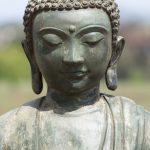
View Buddha Head Statue

Tips to Keep Outdoor Statues Looking Their Best

If you have peaceful marble Buddha statues, an extremely intricate Ganesh garden statue, or any enormous stone sculpture for your zen garden, a little bit of regular maintenance does wonders. Have a look at some easy tips to keep your statues looking fantastic age beautifully in the outdoors:

1. Select the Right Location

Keep your statues in places where they are not hit with extreme weather conditions on a daily basis. Places that are shaded or even when they are half-covered (like under a tree or a wall) might reduce the effect of wear due to direct sunlight every day and frequent rainfalls throughout the day. This is especially important for hindu god marble statues because they can easily be damaged by temperature.

2. Sweep Often, But Gently

Select gentle cleaning every two months if you live in a wet or dusty area. Never power-wash or scrub the statues with anything coarse. Keeping your stone statues clean and algae-free will allow you to keep them holding detail and finish after some time.

3. Shelter During Bad Weather

If heavy rain, frost or snow is predicted, you will cover your idols in a breath, water -related cloth.This is suitable for big-sized zen garden statues where exposure is never absent. Alternatively, you may move small items to an overhang during extreme weather.

4. Apply Sealant Periodically

A few statues made of marble and stone will need to be sealed every year or bi-annually. It will keep them from absorbing moisture, staining, and weathering—particularly those that are exposed directly to ground or open space.

5. Inspect for Cracks or Damage

Inspect every few months in regular checks for small cracks, chips, or color shift. Damage becomes easier to fix if found early. If you make changes to the notice, especially on the old Ganesh stone sculptures or on the Buddha statue, it might make sense to make the recommendation of expert stone care technicians.

After these simple routines, your sculptures will look fresh and beautiful for many years to come.

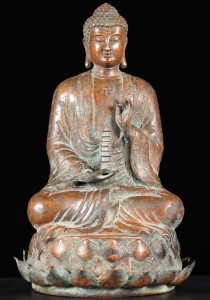
View Our Marble Buddha Statue

Final Thoughts

Caring for marble and stone sculptures is not about hygiene, it keeps their beauty, energy and meaning alive, so many of your generations can enjoy them. Whether your serene stone Buddha statue hidden away in your garden or your lively Ganesh garden statue situated on your entryway, regular maintenance keeps them as satisfying as possible and honors the purpose of their placement.

With some effort and commitment, your statues are still able to offer tranquility, presence, and inspiration in your environment—seasonally.

And if you’re thinking of expanding out your outdoor showcase or purchasing a statue that embodies your spirituality or décor intentions, you’re invited to visit our large collection of handmade marble statues and colored marble statues from skilled artists.

How to Clean Wooden Statues at Home?

wood buddha statue

Wood sculptures are a peaceful beauty. Whether it is a carved wooden Buddha on your altar or wooden ganesh statues that are handed over through the family, these idols possess both visual and emotional significance. But everything made of wood becomes dusty, soak up moisture and fades with age.

So how do you maintain them without stripping the finish off or losing their natural beauty?

In this guide, we are going to guide you through easy, gentle steps to clean your wooden statues at home – no chemicals, no complicated process, just practical care to make them last.

Dos and Don’ts: Cleaning Wooden Statues the Right Way

Taking care of wooden statues need not be intimidating, yet a touch of intelligent habit can make a tremendous difference in how your work is going to withstand the passing of years. Whether from an old wooden statue, or a wood carved statues, keep the following do’s and don’ts in mind:

DO: Lightly dust daily with a soft, dry cloth

The most common substance to settle on wood sculptures is dust, especially if they are garden sculptures. It might be gently removed by a microfiber or cotton cloth with no damage to the surface.

DO NOT: Spray water or chemical cleaners

Water and wood are not meant to go together. Do not soak them with chemicals or water spray, they might swell, change color, or deteriorate the statue in the future.

DO: Apply natural oils occasionally

Sometimes a fine application of pure natural wood oil (such as pure lemon oil or linseed oil) causes the wood to glisten and keep it from drying. Use it sparingly, however — a few drops or two on a soft cloth.

DON’T: Rub too hard or use abrasive materials

The wood is delicate. Avoid scrub brushes, scouring pads or other wear that will end or remove delicate carvings.

DO: Place the statue in a well-ventilated area

Good air flow prevents mold or moisture — particularly if your statue is displayed indoors in humid areas.

DON’T: Don’t ignore tiny cracks or pests

These micro cracks can be widened if not handled to. Immediately you notice insect or white powder stains, it is time to call a specialist service or process wood according to recommendations.

Remember these tips in mind, your wooden statues will be cleaned for generations that make them clean and beautiful.

wood ganesh statue
Browse Our Wooden Ganesh Statue

A Step-by-Step Guide: How to Clean Wooden Statues Safely at Home

Hand-carved wood statues can be carefully handled. Here’s why there is an easy, trouble-free way of cleaning your wood statues at home without harming them:

Step 1: Dust lightly

Wipe the surface dust lightly with a dry, soft microfibre fabric. For delicate, wide carvings or narrow cracks, use a soft bristled brush or makeup brush.

Step 2: Check the wood

Look for dryness, tiny cracks, or infestation of insects. If you spot a few problems, better leave it that way and ask first before you cause further damage.

Step 3: Clean with very damp cloth (optional)

If there is just dust, you may wet a cloth in water and clean the statue lightly. Follow with a dry cloth right afterward. Never have moisture resting on its surface.

Step 4: Apply natural wood oil

When the surface is dry, rub a small amount of natural oil such as lemon oil or linseed oil with a soft cloth and rub very gently in light circular motions. This polishes it and prevents the wood from drying out. 

Step 5: Let it rest

After applying oil, leave the statue in a cool, shaded place for a few hours. It helps absorb oil and avoids attracting dust while the surface is still fresh.

Option: If the statue is very old or a specific finish (paint or stain), skip oiling until you are sure it is safe. If in doubt, you must test a small area or contact a restoration specialist.

wood buddha statue
Browse Wooden Buddha Statues

Long-Term Care Tips for Wooden Statues

Wooden statues are not only ornaments, they’re sometimes valuable pieces that need extra attention if they are to stay beautiful for half a century or more. TLC in small quantities can perform miracles to help them maintain their original charm. The below tips will be useful in the long term:

1. Put them in sunlight-free positions

Direct sun will cause the wood to turn yellow, dry out, or eventually crack. Place your wooden statues in low-light areas of the home or where indirect sunlight will reach them.

2. Refrain from humid or moist places

Excess water promotes mildew, mold, or warping. Keep idols in the spaces with open, dried rooms, never bathroom, kitchen or unexpected moisture.

3. Watch out for pests

Wood might draw in insects like termites or wood borers. Inspect your statues periodically for small holes, floury powder, or softening areas. Act right away if you see something out of the ordinary.

4. Don’t over-clean

No need to clean too much. A light dusting every other fortnight will be enough. Excessive touching or excessive oiling of the wood will ruin the finish or change its texture.

5. Handle with clean, dry hands

Natural oil of body or moisture will penetrate the wood over time. Always take wooden statues with dry, clean hands or soft cloth.

6. Consider seasonal care

If you live in seasons, remember wood will shrink and shift. In extremely cold winter or extremely warm summer seasons, take your statue inside to avoid cracking or drying.

Conclusion

Antique wood statues add more than aesthetics to a room — they add presence, significance, and serene personality. Wooden Buddha statues infusing serenity into your meditation space, or a hand-carved Ganesh statue standing watching over your home, such an addition must be considered carefully.

The best news? No harsh chemicals or high-tech equipment required. Gentle usage, good positioning, and a little concern for what’s nearby go a long way to your statue’s look in years to come.

It all comes down to the connection. The more you take care of it, the more strength your statue contributes to your space.

How to Choose Your Perfect Ganesh Statue for Home Decor, Garden & Altar?

ganesh stone sculpture

Thinking of placing a Ganesh statue in your home or garden, but not sure which one is right for your space?

So, you’re not alone. Many people are drawn to the calm, grounding presence of the Hindu god Ganesh — whether it’s for spiritual reasons, decorative value, or simply to create a peaceful atmosphere. But with so many options out there — from stone and marble to wood and metal, seated or dancing forms, large or small — it can be hard to know where to start.

Should it go in your entranceway, on your altar, or maybe under a tree in your backyard? And does material or stance really count?

In this blog, we will guide you through what to remember while selecting a Ganesh statue, whether it is for your living room, meditation area, or for the outdoors. Simple, intentional decisions can make all the difference — and we are here to assist you in making the correct one.

Ganesh for home decor
Ganesh Statues Collection

Begin with the Location: Home, Garden, or Altar?

Before taking the Ganesh statue, you can take a moment to think where it will be placed. This decision shapes everything else – size, material, posture, even the level of extension you want. Different spaces have different meanings, and your choice should reflect the energy you expect to invite the place.

For your home decor:

Placing Ganesh in your living space, perhaps on the front door or large flat area, is one of the top popular choices. Seated Ganesh with one hand held out in blessing (Abhaya mudra) is perfect here — representing protection, peace, and clearing of obstacles. This form instills a peaceful, welcoming environment for all visitors to your home.

Don’t put the statue on the floor. Rather, set it to a streamlined, raised place – a small platform, shelf or niche that looks deliberate and respectful. Most people like to keep it close to the front door because it is said to safeguard the house and bless the new beginning.

ganesh statue
Ganesh statue for home decor & interior

For a personal altar or prayer space:

If the statue is to be your puja room or spiritual niche dweller, symbolism comes more important. Seek out a serene, focused look and cross-legged or meditation pose. Such a Ganesh statue for altars will encourage reflection, prayer, and spiritual grounding.

It is also good to scale the size of the idol in the room – very large overwhelmed, while out of very small space. Keep the area around the idol clean, clutter-free, and calm.

For gardens and outdoor spaces:

In an outside environment such as a garden, patio, or near a water source, Ganesh statue becomes integrated into the landscape — and both visually, and spiritually. Ganesh garden statues, particularly if they are carved from stone or weatherproof material, are suited for such environments.

Placing a big stone ganesh garden statue under a tree, surrounded by flower plants, or near the garden entrance will bring peace and grounding vibrations. Just put it on a solid base, not kept closed in, and not even on the earth. If you have to protect and lift it, put it on a stone platform or wooden one.

stone ganesh statue for garden
Stone Ganesh Statues for Zen garden

Picking the Right Pose: What Ganesh’s Posture Says

All statues of Ganesh are not created equal — and we’re not even discussing size or substance. The stance or “mudra” of Ganesh is important. Selecting the proper pose can balance the energy of the statue with the intention or mood you wish to have in your space.

Seated Ganesh (Lalitasana or Padmasana)

This is one of the most ancient and most popular representations of Lord Ganesh. Cross-legged, with one leg folded and the other bent down resting, it radiates peacefulness, earthiness, and inner concentration. Seated Ganesh is also often placed in home altars, meditation rooms, or study rooms — wherever you’d like to establish peace and centeredness.

brass ganesh statue
Brass Seated Ganesh Statue

Dancing Ganesh (Nritya Ganapati)

This image of Ganesh captures the energy of movement and playful nature of god. Frequently illustrated in mid-step dance, it signifies creativity, vigor, and zest for life. Dancing Ganesh is particularly strong in areas where you would desire to introduce inspiration, celebration, or artistic energy. A Ganesh garden statue in this guise can provide a light but sanctified ambiance to your garden.

Standing Ganesh

Less traditional but highly symbolic, standing Ganesh statues are symbols of strength, preparedness, and protection. They’re wonderful by doors or spaces of transition in your home – symbolising that Ganesh is seeing over your area and keeping difficulties away.

Reclining Ganesh

A unique and more relaxed form, reclining Ganesh statues represent ease, prosperity, and comfort. It’s a wonderful statue for calm, secluded areas in your home where you’d love to add abundance and relaxation.

reclining brass ganesh statue
Reclining Brass Ganesh Sculpture

Final Thoughts

Now, when you are familiar with different types of Ganesh idols, whether it is chunks of carved wood, wide marble Ganesh sculptures or large stone sculptures – so choosing the right becomes a personal decision. This is not just about what looks good, but what looks right in your space.

Simple wooden Ganesh statues can provide a warm ambience to your altar, whereas colored marble ganesh statues can provide a peaceful aura to your drawing room. A large ganesh statue for zen garden can provide a peaceful and grounding energy. Whatever it is, make it convey your intent and the energy you would like to bring into your home.

It’s truly not about how big or how much the statue costs — it’s about your relationship with it. Trust your heart and your surroundings.

  • Page 3 Of 19